Indonesia Targets Higher-Value Palm Oil, Coconut and Cocoa Products for Global Markets
Indonesia’s Plantation Fund Management Agency is encouraging small businesses to develop processed palm oil, coconut and cocoa products for international markets. The initiative emphasizes collaboration, innovation and compliance with environmental, social and sustainability requirements, although no investment or capacity targets were disclosed.
BPDP promotes downstream plantation products
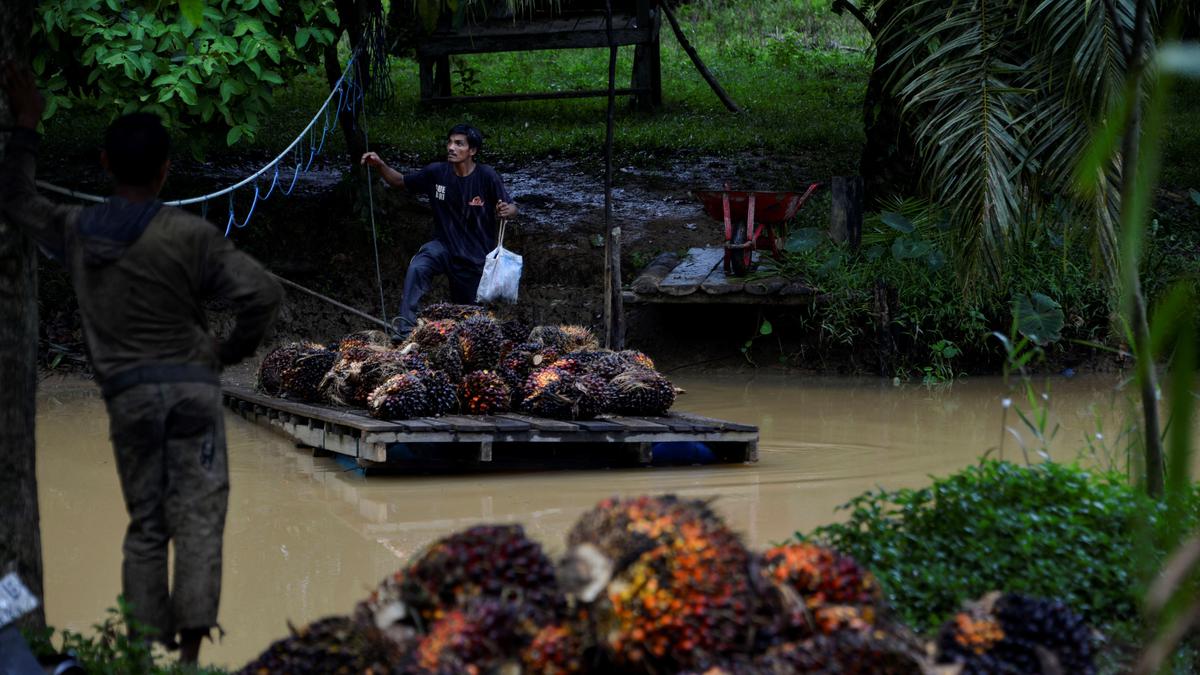
Indonesia’s Plantation Fund Management Agency, known as BPDP, is encouraging micro, small and medium-sized enterprises to develop higher-value products derived from palm oil, coconut and cocoa. The effort is intended to move more of the country’s plantation commodities beyond their primary forms and create additional economic value through processing, product development and access to international markets.
BPDP presented plantation-based products made by Indonesian small businesses at the Knowledge Exchange & Innovation Exhibition Jakarta 2026, held on 27–28 August 2026. According to Liputan6.com, the exhibition brought companies together with government representatives, United Nations bodies and plantation-sector stakeholders from Indonesia, Malaysia and Papua New Guinea.
Helmi Muhansyah, head of BPDP’s Community and Small Business Cooperation Division, said the event gave enterprises an opportunity to introduce products based on palm oil, coconut and cocoa to international markets and audiences. BPDP also used the forum to open channels for collaboration between small businesses and organizations involved in product development and market access.
Processing is central to the value-added strategy
The initiative places downstream product development at the center of BPDP’s strategy. Instead of relying only on sales of plantation commodities, participating businesses are being encouraged to develop derivatives that can capture more value inside Indonesia. For producers and processors, the commercial effect will depend on whether new products can reach consistent quality, volume and pricing standards required by buyers.
No investment amount, processing-capacity target, production forecast or export goal was announced in the material reported by Liputan6.com. The absence of those benchmarks means the initiative is currently defined principally by promotion, knowledge exchange and partnership-building. Its impact on industrial capacity and export earnings will therefore depend on follow-up financing, commercial contracts and the ability of small businesses to scale production.
The regional composition of the forum is relevant because Indonesia, Malaysia and Papua New Guinea all have plantation industries with an interest in processing and sustainable commodity production. Bringing businesses into contact with government agencies and international institutions may help spread technical knowledge and connect producers with prospective partners, but the source did not identify specific transactions or purchasing commitments arising from the event.
Sustainability requirements shape market access
BPDP said innovation should ensure plantation products generate economic value while meeting market demands concerning environmental, social and sustainability performance. These requirements are particularly important for businesses seeking international customers, because product development alone does not guarantee access to buyers. Producers may also need credible documentation, traceability and production practices aligned with the expectations of their target markets.
BPDP participated through the Regional Learning Forum on Sustainable Commodities, titled “Advancing Sustainable Palm Oil and Cacao Through Regional Learning, Partnership, and Innovation.” The forum was initiated by Indonesia’s Coordinating Ministry for Food Affairs together with the United Nations Development Programme. BPDP expects stronger derivative-product development to increase the plantation sector’s contribution to the national economy and extend economic benefits to communities. The next measure of progress will be whether the contacts and ideas generated in Jakarta translate into investment, scalable processing and repeat international sales.