Indonesia Targets BRICS Agro Hub Role as India Seeks More Cashew and Betel Nut
Indonesia sees BRICS membership as a route to expand agro-industrial sales, with India requesting more cashew, gambier and betel nut. Jakarta is also offering processed products, while New Delhi is seeking reciprocal access to the Indonesian market.
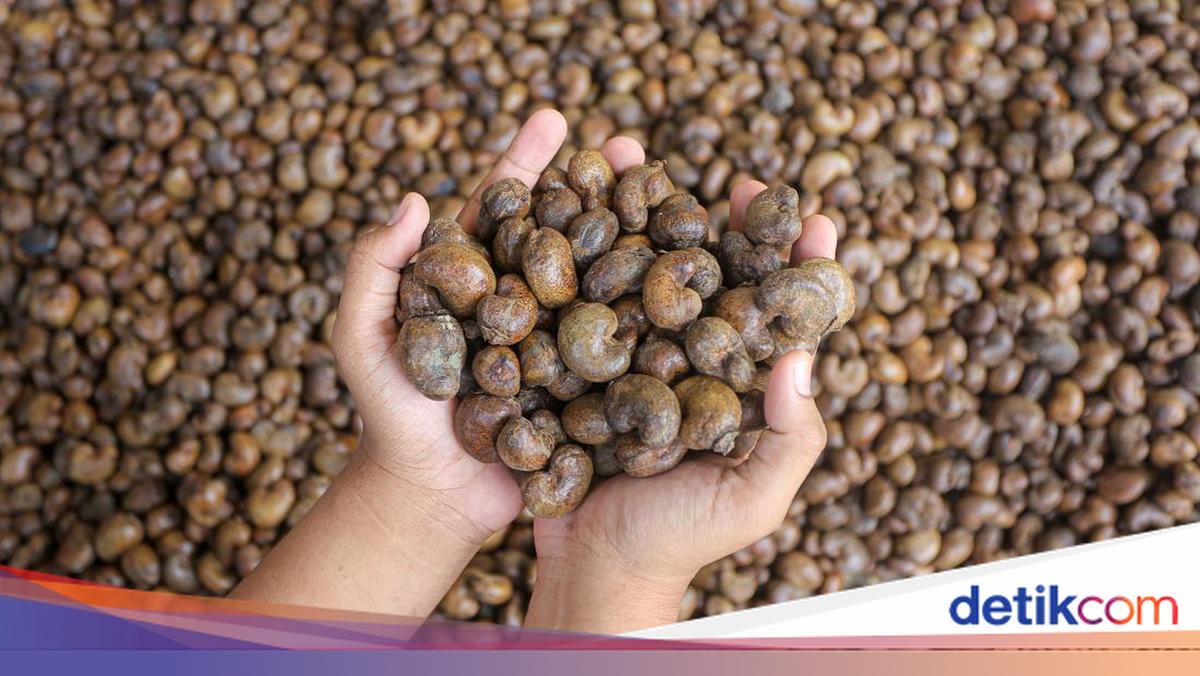
India requests larger agro-product shipments
Indonesia is positioning itself as a potential agro-industrial hub within BRICS as it seeks wider markets for agricultural raw materials and processed products. The initiative is gaining a concrete commercial focus in India, where officials have asked Jakarta to increase exports of cashew nuts, gambier, betel nuts and other upstream agro products.
Deputy Industry Minister Faisol Riza said India’s demand creates an opportunity for Indonesia to use its BRICS membership to deepen trade with member countries. Speaking at the Industry Ministry’s office in Jakarta on 10 August 2026, he described BRICS economies as promising destinations for Indonesian products. Several members already import substantial volumes of Indonesian crude palm oil, although no shipment figures were provided.
India’s scale is central to the government’s argument. Faisol cited a population of 1.8 billion and said the Indian market was six times larger than Indonesia’s domestic market. He said Indian buyers needed significant volumes of agro products and had specifically requested larger supplies of cashew nuts, gambier and betel nuts.
Processed products enter the discussion
Jakarta is not limiting its approach to raw or upstream commodities. According to Detik Finance, the Indonesian government has also offered India a range of processed agro-based products, and Faisol said the proposals received a positive response. The available source did not identify the products, expected volumes, buyers or timetable for potential transactions.
The emphasis on processed goods is relevant for Indonesian producers seeking to capture more value beyond primary agricultural output. A broader product mix could create opportunities for processors and manufacturers as well as farmers and commodity traders. However, commercial gains will depend on the detailed market-access conditions, quality requirements and reciprocal arrangements eventually agreed by the two governments.
India seeks reciprocal market access
India has linked Indonesia’s request for greater access to its own demand for trade-rule relaxation. Faisol said New Delhi wanted some Indonesian regulations eased so that Indian products could gain wider acceptance in Indonesia. He connected the request to Indonesia’s current trade surplus with India, saying the Indian side wanted a more balanced relationship and higher sales into the Indonesian market.
The comments indicate that expanded agro trade may form part of a broader negotiation rather than a one-way increase in Indonesian exports. Faisol argued that reciprocity could still benefit Indonesian products because of the Indian market’s size. The source did not specify which Indonesian regulations India wants relaxed or which Indian goods would receive improved access, leaving the commercial effects dependent on future negotiations.
For Indonesian cashew, gambier and betel nut suppliers, India’s stated interest provides a potential demand signal but not yet a confirmed purchasing commitment. Exporters will need clarity on specifications, tariffs, customs procedures and delivery terms before assessing volumes or investment needs. The wider BRICS strategy could also open opportunities in other member markets, but Faisol acknowledged that Indonesian product sales to some of those countries have so far remained limited.