Indonesia puts Africa on the target list for palm oil exports ahead of Trade Expo 2026
Indonesia's Ministry of Foreign Affairs has named Africa a new target market for palm oil, food and beverages and manufactured goods, citing a population of about 1.4 billion. The push will be tested at the 41st Trade Expo Indonesia on 14-18 October 2026, where curated buyers including African ones will meet exporters.
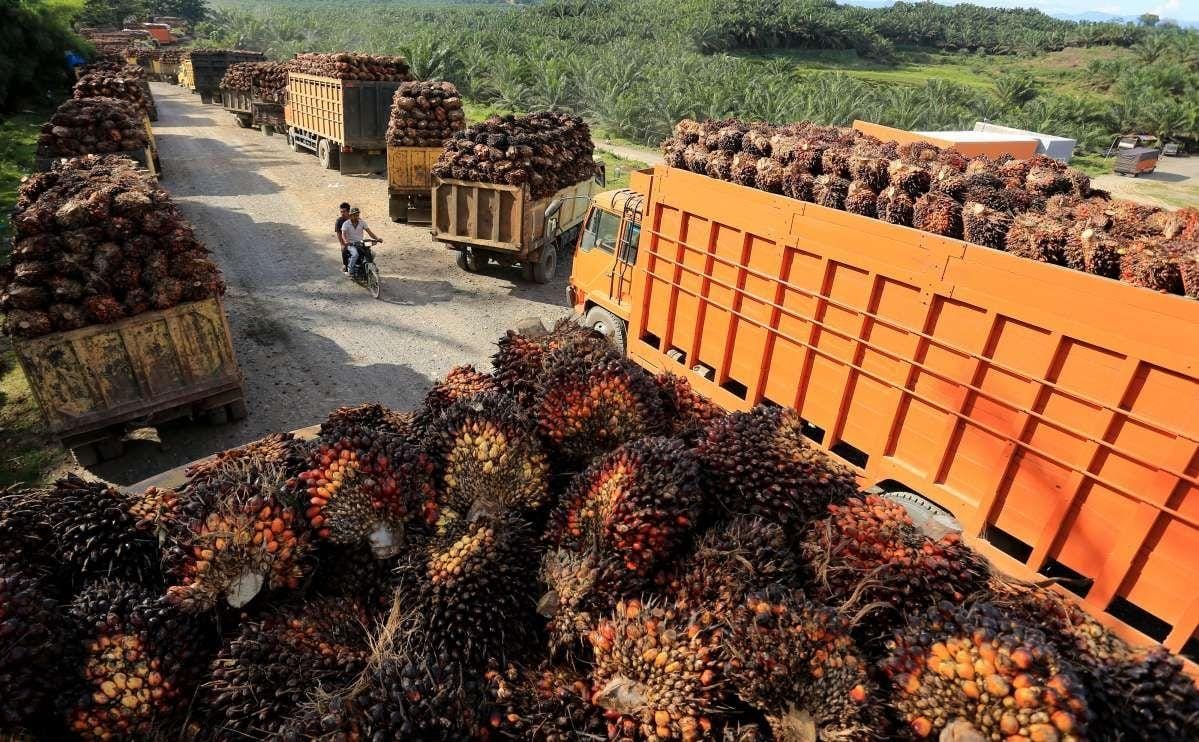
Indonesia's Ministry of Foreign Affairs has placed Africa on the target list for the country's palm oil exports, treating the continent as a new outlet for palm products alongside food and beverages and manufactured goods, sawitsetara.co reported.
The plan was outlined by Zelda Wulan Kartika, Expert Staff for Economic Diplomacy at the Ministry of Foreign Affairs, at a press conference for Trade Expo Indonesia (TEI) 2026 held at the Indonesia Convention Exhibition (ICE) BSD in Tangerang on Wednesday, 30 September 2026.
Africa inside a 114-country diplomatic bloc
The ministry groups Asia Pacific and Africa into a single economic diplomacy region, known by the Indonesian acronym Aspasaf, covering 114 countries and around 5.8 billion people. Kartika said Africa holds particular appeal within that bloc because of its population of roughly 1.4 billion. Palm oil is one of the commodities being directed at deeper market penetration there.
- Palm oil and palm-based products
- Food and beverages
- Manufactured goods
“For Indonesian export products that are already present and that we are bringing into this African region, these include palm oil, food and beverages, and manufactured goods. So these are important products,” Kartika said.
The same region contains Indonesia's largest established trading partners and export markets, among them China, Japan, India, Malaysia and Singapore. “This region is a source of investment and energy, the origin of strategic investment and a partner in meeting industrial and energy supply chains. The Pacific region is also a strategic front yard,” she said. Jakarta's ties with African states date back to the Asia-Africa Conference, which the ministry treats as a foundation for closer economic relations between the two regions.
Trade Expo Indonesia as the proving ground
The 41st edition of Trade Expo Indonesia runs from 14 to 18 October 2026 at ICE BSD. The Ministry of Foreign Affairs and the Ministry of Trade will bring prospective buyers from several countries, including African markets, to meet Indonesian exporters directly. Kartika said incoming buyers will go through a curation process so that they match the products and the capacity of the exporters they are introduced to.
Market access work also runs through Indonesia's network of overseas missions, which are tasked not only with opening access but with introducing Indonesian companies to potential partners in the destination country. “Every market has different characteristics,” Kartika said, adding that understanding local demand, capacity and constraints is part of the export expansion strategy.
Established markets and the MSME gap
Outside Aspasaf, the ministry is also strengthening economic diplomacy across the Americas and Europe, a region of 83 countries and about 1.8 billion people. The United States and Western European countries remain the principal destinations for several of Indonesia's leading exports, including palm oil, textiles, footwear and electronics, and are also a source of foreign investment.
The ministry is simultaneously pushing micro, small and medium enterprises towards global markets. MSMEs account for about 61 per cent of Indonesia's gross domestic product and about 97 per cent of employment, but only around 15.7 per cent of them have reached export markets. Bisnis.com reported that the ministry's economic diplomacy drive in Asia Pacific and Africa is focused on palm oil, food and manufacturing, with TEI 2026 serving as the meeting point for exporters and buyers.
Price backdrop for growers
For the palm oil industry, the African push widens market diversification at a time when the government is trying to raise both the value and the reach of palm product exports, positioning the continent as a commodity market and as part of closer trade ties with other developing economies. Domestic prices, meanwhile, are under pressure: sawitsetara.co reported that fresh fruit bunch prices paid to Mitra Swadaya smallholders in Papua province fell across every plant variety composition in the second pricing period of September 2026.