India Sets First Reserve Price for Broken Rice Under OMSS-D
India has set a reserve price of ₹2,100 per quintal for broken rice sold under the Open Market Sale Scheme-Domestic. The price applies to the July-September quarter and establishes a government benchmark for domestic buyers.
Government establishes a broken-rice benchmark
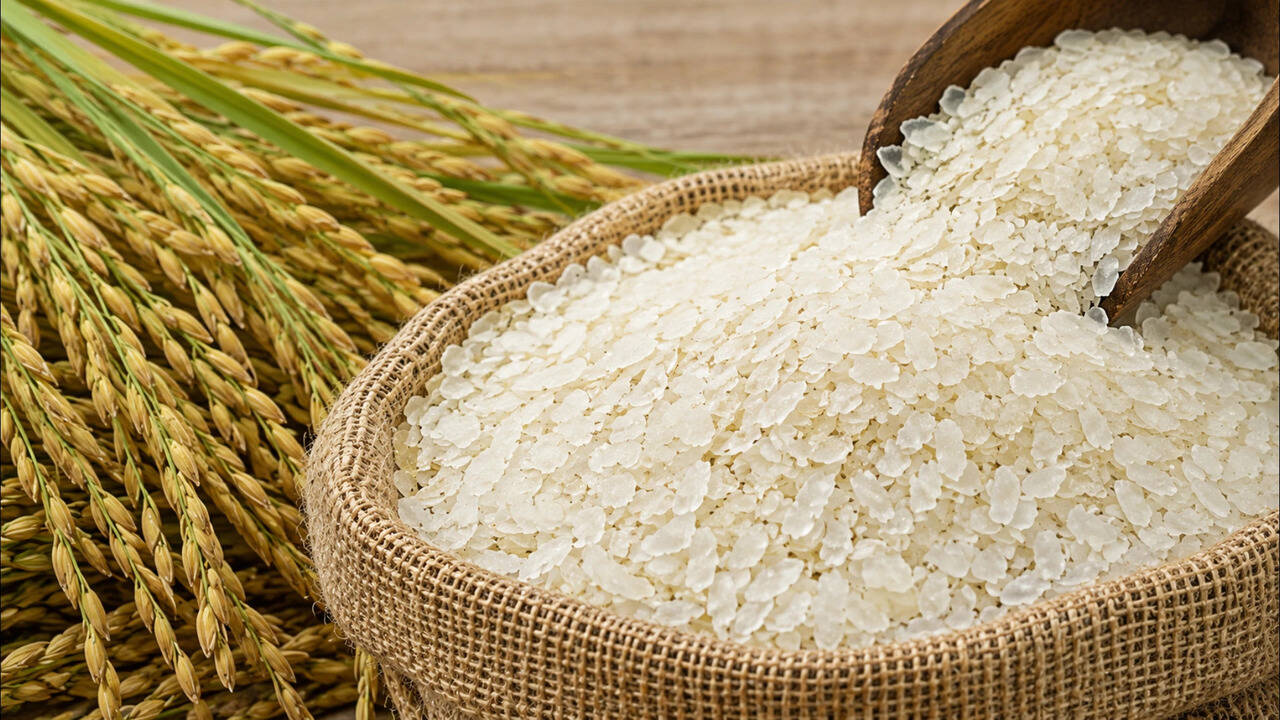
India has set a reserve price of ₹2,100 per quintal for sales of broken rice under the Open Market Sale Scheme-Domestic, or OMSS-D. Gaon Connection reported that this is the first time the government has established a reserve price specifically for broken rice. The measure applies to the July-September quarter and follows a decision taken on 20 August.
The reserve price creates a formal minimum benchmark for government sales rather than guaranteeing that every transaction will occur at that level. Actual access and purchasing conditions will depend on how the sales are conducted under OMSS-D and on participation by eligible domestic buyers. The available source material does not state the volume of broken rice to be offered, the auction schedule or the buyer eligibility rules.
Processors and feed users gain a reference price
At ₹2,100 per quintal, equivalent to ₹21 per kilogram before additional transaction and handling costs, the benchmark gives processors and other users a clearer starting point for assessing government-held supply. Broken rice can serve several domestic industrial and feed applications, so the policy may matter beyond the conventional food-rice market.
For buyers, the immediate value of the decision is price visibility. Processors can compare the reserve price with quotations from private suppliers, while sellers can use it as a reference when negotiating spot contracts. However, the commercial effect will depend on the quantity released and the quality, location and delivery terms attached to individual sales. None of those details is provided in the report.
The benchmark could support availability if OMSS-D releases add meaningful volumes to the market. If volumes are limited or concentrated in locations far from major users, freight and handling costs could reduce the practical benefit of the ₹2,100-per-quintal level. Buyers therefore need to evaluate the delivered cost rather than the reserve price alone.
Market impact depends on release volumes
The decision gives the government a defined pricing mechanism for a rice by-product that has its own group of industrial and feed buyers. It also separates the sale of broken rice from pricing decisions for other rice categories, allowing market participants to assess the product against its own demand conditions.
For private traders, a government reserve price may become a negotiating anchor during the quarter. Offers below or above that benchmark will still reflect grade, moisture, location, transport and immediate availability. Without a published sales volume, it is not yet possible to determine whether the scheme will materially change market supply or mainly provide a transparent reference point.
Domestic focus limits immediate trade implications
OMSS-D is a domestic sales mechanism, and the reported decision concerns availability for buyers inside India. The source does not describe any change to export policy, import rules or international sales. Exporters and overseas buyers should therefore avoid treating the reserve price as a new external trade price.
The main indicators for the July-September quarter will be the amount offered, buyer participation and the gap between the reserve price and comparable private-market quotations. Those factors will show whether the first broken-rice benchmark improves access for processors and feed users or has only a limited effect on physical availability.