India's Edible Oil Import Bill Heads for Record 1.75 Trillion Rupees as Demand Outruns Oilseed Supply
Industry estimates cited by Business Standard put India's edible oil import spending at close to 1.75 trillion rupees in the current oil year, about 9 per cent above last year's record. Domestic oilseed output keeps rising, but consumption is growing faster and imports still cover more than half of national demand. The article argues the binding constraint is pricing and procurement policy, not seed technology.
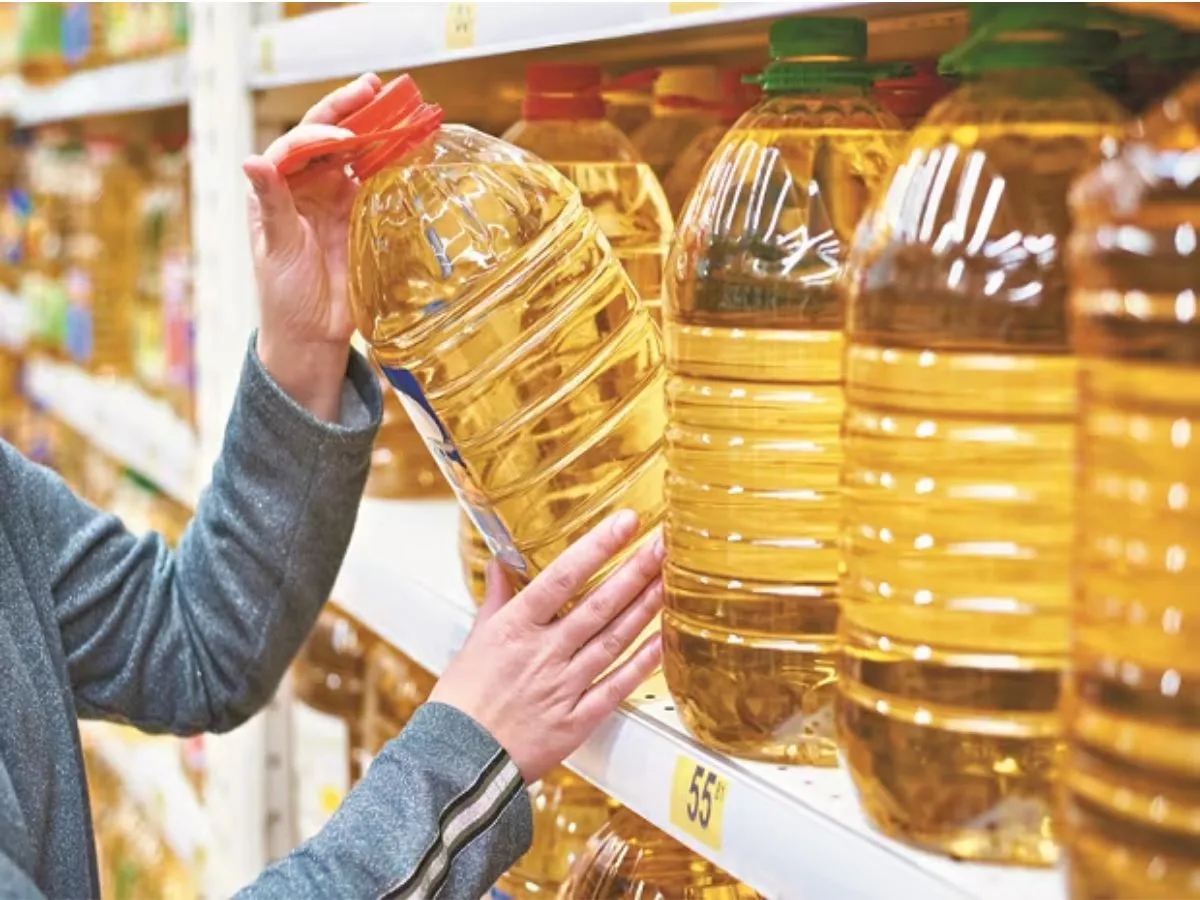
India's edible oil import bill is heading for a record in the current oil year, which runs from November to October. Vegetable oil industry estimates cited by Business Standard put the outlay at close to 1.75 trillion rupees (₹1.75 lakh crore), the highest ever and about 9 per cent above the previous record of 1.61 trillion rupees registered last year.
Business Standard identifies the widening gap between rising domestic consumption and domestic output as the main driver of the higher bill. Three additional factors lifted the cost of imported oil: higher international prices linked to the crisis in West Asia, reduced palm oil availability because of Indonesia's biofuel programme, and the depreciation of the rupee. The steady rise in imports, the publication argues, casts doubt on India's stated goal of achieving self-sufficiency in edible oils in the near future.
Half the requirement still comes from abroad
More than half of the country's edible oil requirement is still met through imports, even though domestic oilseed production has continued to grow. Demand is expanding faster than supply, and repeated attempts over several decades to close that gap have not produced the expected results. The exposure is concentrated: palm oil and palm-derived products account for the largest share of India's purchases and come mainly from Indonesia and Malaysia. Any disruption in shipments from those two suppliers would create a serious problem for the world's largest edible oil importer.
A yield gap, not a technology gap
The article makes the case that the constraint is not agricultural science. Indian researchers have already released more than 1,000 improved varieties and hybrids of oilseed crops matched to different agro-climatic zones. Average oilseed yields have risen from 4.8 quintals per hectare in the 1950s to roughly 14 quintals today. The newer varieties are capable of 20 to 25 quintals per hectare, so a wide gap remains between the national average and demonstrated genetic potential. Closing it, wholly or largely, would put self-sufficiency within reach.
Land and water allocation is part of the problem. About 75 per cent of the area under oilseeds is still without irrigation. Current pricing and procurement policies encourage farmers to plant more remunerative food and commercial crops on good, irrigated land, leaving oilseeds on less fertile, rain-fed plots. Farmers will expand acreage and invest in improved seed, irrigation, fertiliser and crop protection chemicals only when oilseeds pay as well as the alternatives.
India's crop base is unusually broad. Alongside nine major oilseed crops, including groundnut, mustard-rapeseed and soybean, the country grows perennials such as coconut and oil palm, as well as tree-borne oilseeds concentrated in tribal areas. Business Standard also points to substantial headroom in non-conventional sources — cottonseed and rice bran — that are available domestically in large volumes, and notes that some of these oils are healthier than palm oil.
What the Yellow Revolution got right
Organised efforts began in the mid-1980s with the Technology Mission on Oilseeds, set up in 1986. By the early 1990s domestic oilseed output had moved close to national requirements, a period known as the Yellow Revolution. According to the article, the decisive element was a price band: domestic prices were allowed to move within a range, protecting the interests of both producers and consumers, with the government stepping in only when prices broke out of that range, usually by raising or lowering import duties.
That framework did not last. The mission's freedom to take decisions on prices, imports and exports was progressively curtailed, and it was also handed responsibility for promoting pulses and maize. By the mid-1990s it had been downgraded into a broader scheme covering oilseeds, pulses, oil palm and maize, which diluted the sustained attention those crops required. Later versions of the mission never received comparable autonomy or authority and did not deliver the expected results.
The conclusion drawn is that the sector's core problem lies in agricultural pricing and procurement policy rather than in the availability of technology. Unless oilseed cultivation becomes financially attractive relative to competing crops, India's dependence on imported edible oil is unlikely to decline.