Tokaj production up 8-10% as global wine exports fall 4.7%, Hungarian shipments reach €133.8 million
Production in Hungary's Tokaj region rose 8-10% in 2024-2025 while world wine exports fell 4.7% by volume, according to CNBC citing OIV data. Roughly 80% of Hungarian wine goes to EU markets, with Czechia, Slovakia and Poland leading on volume and France, Spain and the United States paying the highest value per litre. Hungarian wine export revenue reached about €133.8 million in 2024.
The Tokaj wine region in north-eastern Hungary increased both output and exports over the 2024-2025 period, even as global wine trade volumes contracted, according to a report published by jurnalul.ro citing Mediafax and CNBC.
CNBC, citing data from the International Organisation of Vine and Wine (OIV), reported that world wine exports fell 4.7% by volume in 2024-2025. Over the same period, production in the Tokaj region rose by 8-10%, while global output remained below its historical average. Specialist press has described the divergence as a “quiet boom” in Hungarian wine.
A small region with a long-established appellation
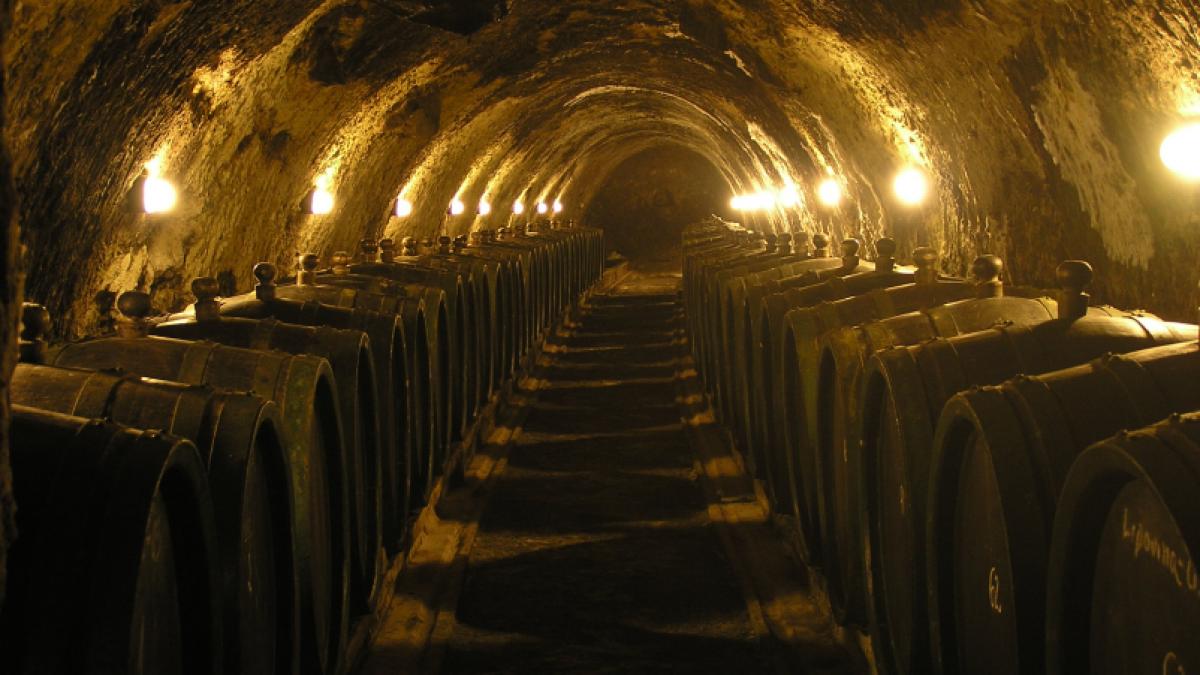
Tokaj lies roughly 140 kilometres from the Romanian border at the Petea crossing and less than three hours by train from Budapest. The area was formally classified as a wine region by royal decree in 1737, making it — alongside Chianti — one of the world's oldest officially demarcated wine regions, although winemaking there dates back almost a millennium. The region is inscribed on the UNESCO World Heritage list, with protection extending beyond the wine itself to the cultural landscape, the ancient network of cellars cut into volcanic rock, the historic villages and deep-rooted local farming traditions.
The region's signature product, Tokaji Aszú, is made from white Furmint grapes affected by noble rot (Botrytis cinerea). According to Dale Takio of the Visit Tokaj organisation, local weather and geological conditions favour the natural process that concentrates sugars in the fruit. Beyond their sweetness, Tokaji Aszú wines carry high acidity and low pH, which lowers the risk of refermentation in the bottle — a technical property that made the wine shippable to European royal courts as early as the 18th century. Louis XIV of France called it “the wine of kings and the king of wines” after receiving a consignment at Versailles as a diplomatic gift from a Hungarian prince in the 18th century.
Export structure: volume in Central Europe, value in the West
Europe remains the principal outlet. Export data cited in the report indicate that about 80% of Hungarian wine goes to European Union countries. Czechia, Slovakia and Poland are the largest destinations by volume, while France, Spain and the United States pay the highest value per litre.
North America ranks among the most sought-after markets for Hungarian producers, who compete there against established wine regions with entrenched distribution networks and far larger marketing budgets. Both dry and sweet wines from Tokaj have nonetheless gained ground on luxury restaurant lists in the United States, where interest is rising. Producers say that apart from Tokaji Aszú their range remains little known outside Hungary, which limits how far the current growth can extend.
Pricing illustrates the segment the region occupies. At the Disznókő estate, one of the best-known wineries in Tokaj, a bottle of Tokaji Aszú sells for approximately €30-40.
Climate pressure on the harvest calendar
Like other wine regions worldwide, Tokaj is exposed to climate change. Severe drought and high temperatures in Hungary this summer brought forward the grape harvest for dry wine at the Hétszőlő winery, which started earlier than usual — a sign of mounting pressure on the traditional picking calendar.
Scale still modest against European peers
The growth comes from a low base. Industry estimates put Hungarian wine export revenue at approximately €133.8 million in 2024. France earns about €12 billion a year from wine exports, so the entire Hungarian total amounts to a fraction of a single major producer's turnover, even if the growth rate is considered notable for a country of Hungary's size.
The operative data points for the trade:
- Tokaj production up 8-10% against a 4.7% decline in global export volumes;
- About 80% of Hungarian wine shipped within the European Union;
- Czechia, Slovakia and Poland leading by volume;
- France, Spain and the United States paying the highest value per litre;
- Export revenue of about €133.8 million in 2024, against €12 billion for France;
- Tokaji Aszú retailing at €30-40 a bottle at Disznókő.