High Almond and Pistachio Prices Shift Indian Dry-Fruit Demand to Cashews
Pistachio prices in India have risen 30-40 per cent and almonds 10-20 per cent on supply disruptions from Iran, higher container freight and weaker US crops, The Hindu BusinessLine reports. Cashews are the exception, holding at roughly 900-1,000 rupees per kg for whole kernels, and retailers and sweet manufacturers are switching to them. Traders expect overall dry-fruit sales to fall 10-15 per cent this festive season.
India's dry-fruit trade is entering the festive season with higher prices and tighter supply, and the price gap between tree nuts has widened enough to change what retailers and sweet manufacturers put into their packs. Retail prices of several dry-fruit varieties have risen 15-30 per cent year-on-year, The Hindu BusinessLine reported, citing transit disruptions in West Asia, higher container freight rates and crop damage in major producing countries. The report links the squeeze to the West Asia crisis and broader geopolitical tensions affecting overseas trade.
Pistachios lead the increase, almonds follow
Pistachios have been among the worst affected, with prices up 30-40 per cent, driven mainly by supply disruptions from Iran and a sharp increase in container freight rates. The impact has been compounded by a nearly 50 per cent decline in US crop yields, according to the same report. Almond prices have risen 10-20 per cent amid lower production in the United States. Because both nuts reach Indian shelves largely through imports, freight and currency move the retail price as directly as the harvest does.
- Pistachios: up 30-40 per cent year-on-year
- Almonds: up 10-20 per cent
- Pumpkin seeds, pecans and dates: up 5-10 per cent
- Cashews: largely unchanged from last year
The smaller increases in pumpkin seeds, pecans and dates are attributed to currency depreciation and higher logistics costs rather than crop losses. Dates carry more weight in India than in most markets: the country accounts for an estimated 20-25 per cent of global date consumption, so even a 5-10 per cent move affects a large volume of imports and a broad retail base during the festive and wedding buying period.
Cashews are the exception
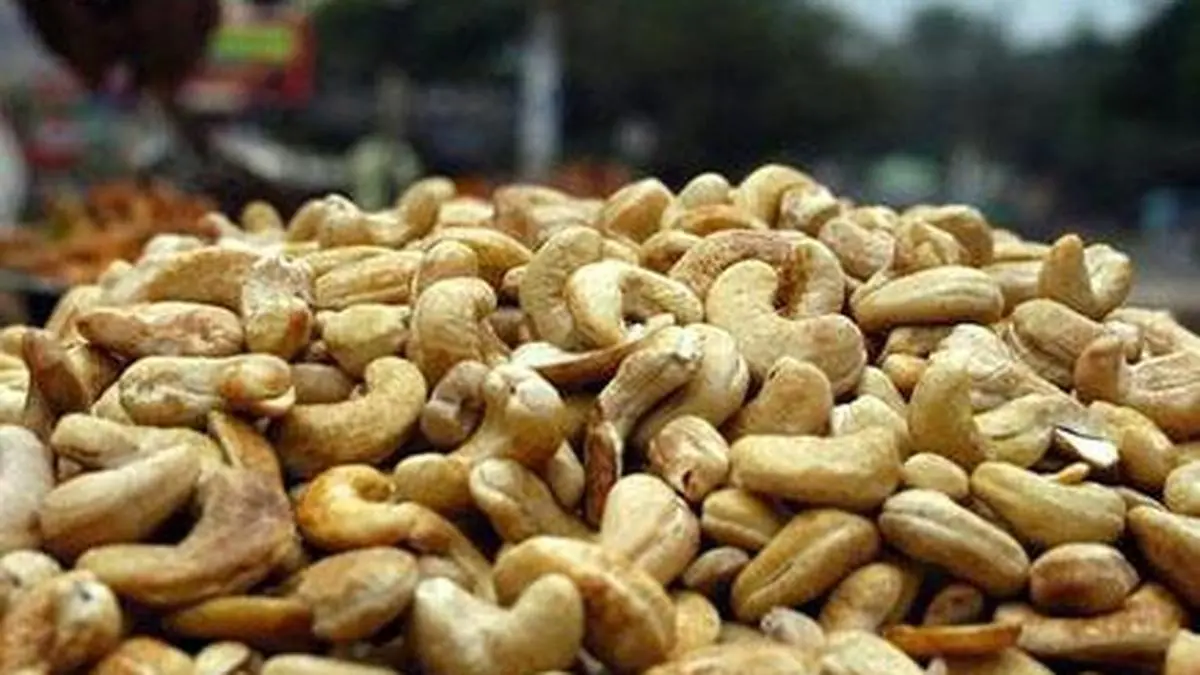
Cashew prices are largely unchanged from a year earlier. Retail prices of whole cashews are hovering around 900-1,000 rupees per kg, while broken cashews are priced at about 800-900 rupees per kg, according to J Rajmohan Pillai, owner of the Nut King brand. Broken grades therefore sit roughly 100 rupees per kg below whole kernels, a difference that matters most where the nut is ground rather than displayed.
With almonds and pistachios becoming more expensive, retailers and sweet manufacturers are increasingly turning to cashews. The shift is expected to boost domestic consumption of cashew kernels and of cashew-based sweets such as kaju katli during the festive season. For manufacturers working to fixed price points, a stable kernel is the only input that allows last year's price list to survive the season intact, and the switch can be made without changing recipes that already rely on cashew paste.
Sourcing moves and cheaper substitutes
Importers are also diversifying their sourcing origins, looking towards Chilean walnuts and Australian almonds, Pillai said. At the same time, seeds such as pumpkin and sunflower seeds, along with makhana, are being promoted as relatively stable-priced alternatives, giving retailers a lower price tier to put in front of buyers who will not absorb a 30 per cent increase on pistachios.
Volumes at risk
Raju Bhatia, Ambassador, India, at the International Nuts and Dry Fruits Council, told businessline that the price surge could affect sales, with traders anticipating a 10-15 per cent decline due to higher international prices and lower crop yields. Many traders expect sales to fall this season as the disruptions work through global supply chains.
The season is therefore shaping up as a test of how far substitution can run. Cashews, seeds and makhana can absorb part of the demand moving away from pistachios and almonds, but the 10-15 per cent volume decline traders anticipate indicates that another part of that demand will not be spent on dry fruit at all.