Wheat and corn slip after US-China summit delivers no new agricultural purchase detail
Grain markets traded mostly softer overnight as wheat and corn gave ground following a US-China summit that produced no additional detail on agricultural purchases, Grain Central reported in its Daily Market Wire of 25 September 2026. The move reflected the unwinding of a political premium rather than any change in physical supply. Attention now returns to harvest progress, competing origins and the weekly pace of export sales.
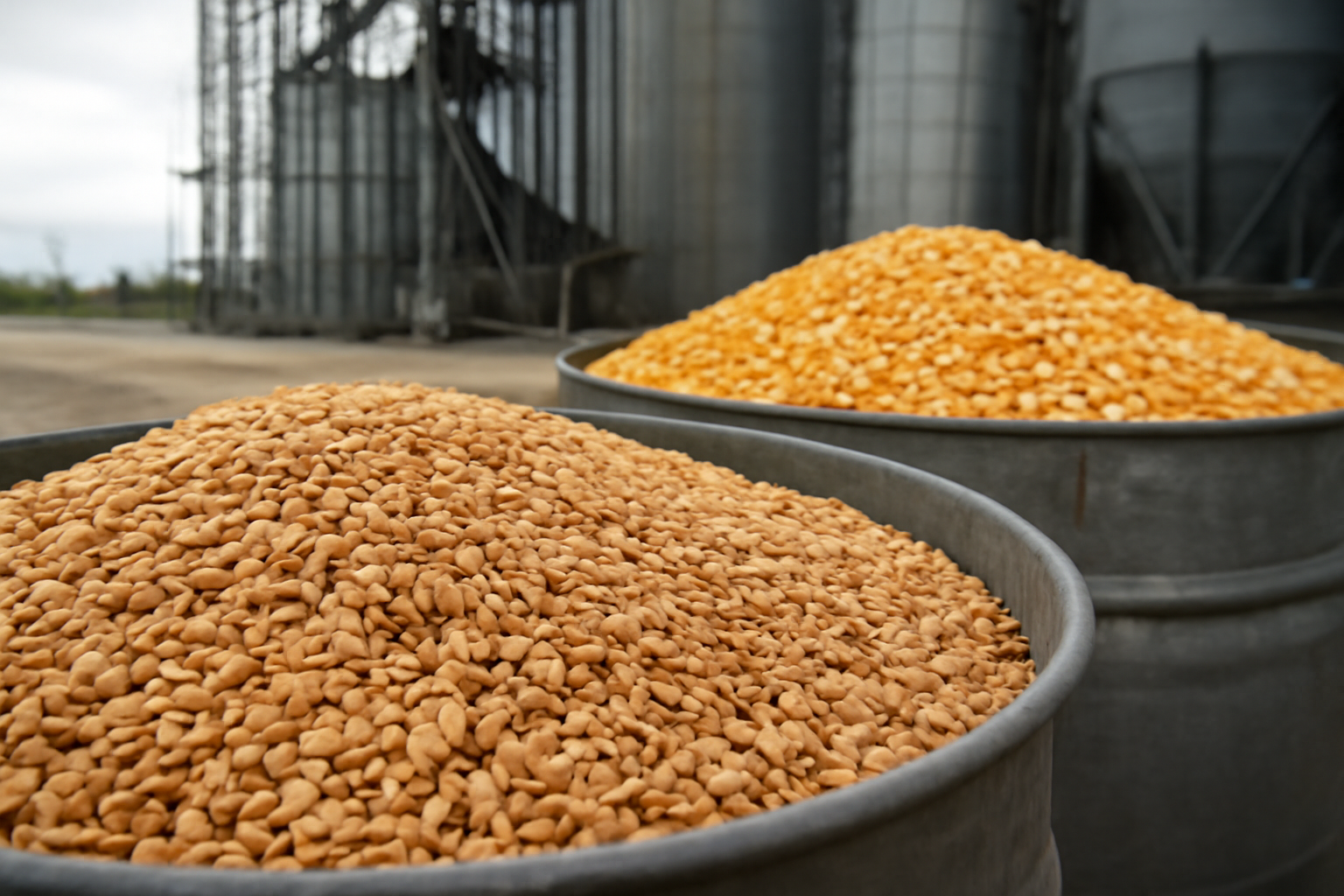
Grain markets traded mostly softer overnight, with wheat and corn slipping after a summit between the United States and China ended without the additional detail on agricultural purchases the market had hoped for, Grain Central reported in its Daily Market Wire of 25 September 2026.
Summit ends without purchase detail
The Daily Market Wire described the overnight session as mostly softer across the grain complex, with wheat and corn the markets that gave ground. The move reflects positioning rather than any change in physical supply. Ahead of the meeting, part of the market had priced in the possibility of a headline commitment: a tonnage target, a timetable, or a named list of commodities that exporters could trade against. No such detail emerged, and the premium that had been built into futures in anticipation of it came back out.
The distinction matters for anyone selling physical grain. A political commitment is not a purchase. Purchases appear later as confirmed business, in reporting of large individual transactions and in the weekly export sales series. Markets that rally on the expectation of an announcement usually have to hand the gain back unless bookings follow. With no announcement at all, that correction happened in a single session rather than over the following weeks.
Wheat and corn set the tone
Wheat and corn are the two grains most exposed to this kind of headline risk, and they led the softer tone that Grain Central described. Each carries a different sensitivity to state-level buying signals.
- Wheat: the most liquid and the most politically traded of the grains, quick to price in signals of state-directed buying and equally quick to unwind them when the signal does not arrive.
- Corn: tied closely to feed demand expectations, where a large announced purchase programme would shift the demand side faster than any supply news could.
- Oilseeds and their by-products: frequently central to bilateral purchase packages, which leaves them sensitive to the same headlines even when the grain complex moves first.
Attention returns to fundamentals
With the political catalyst removed, pricing reverts to the slower-moving drivers. These include harvest progress in exporting countries now moving grain, the competitiveness of rival origins delivering into the same destinations, currency movements that change the landed cost of US-origin grain, and the running pace of weekly export commitments. None of these produce the sharp single-session moves that a political announcement can. They tend instead to produce drift.
For US exporters the competitive position is unchanged by the summit. Importers compare landed cost, and in the absence of a directive to source from a particular origin, nothing obliges a buyer to switch supplier. That keeps the pressure on basis and on freight economics rather than on futures alone, and it leaves the export programme dependent on price competitiveness rather than on policy.
What it means for trade flows
For companies on both sides of the physical market, the immediate consequences of a summit without detail are straightforward. Importers and feed buyers get softer futures without an accompanying supply disruption, which is generally the most comfortable type of dip in which to extend coverage. Producers face the opposite calculation: selling into a market that has just given up a speculative premium is rarely attractive, and farmer selling typically slows on moves of this kind, tightening near-term offers even as futures ease.
Traders will now watch confirmed business rather than communiques. If purchases do materialise in the weeks ahead, they will show up in export sales data and in shipment line-ups, and the market will reprice then. If they do not, wheat and corn are left with harvest supply, currency and origin competition as the main determinants of direction, and with continued vulnerability to the next political headline in either direction.