EU corn harvest forecast to fall 19% as regional supply tightens
The EU corn harvest is forecast at 46.2 million tonnes in 2026/27, down 19% from the previous season, according to Expana. Heat, drought and uneven rainfall have weakened prospects while Romania remains one of the region’s stronger sources of supply.
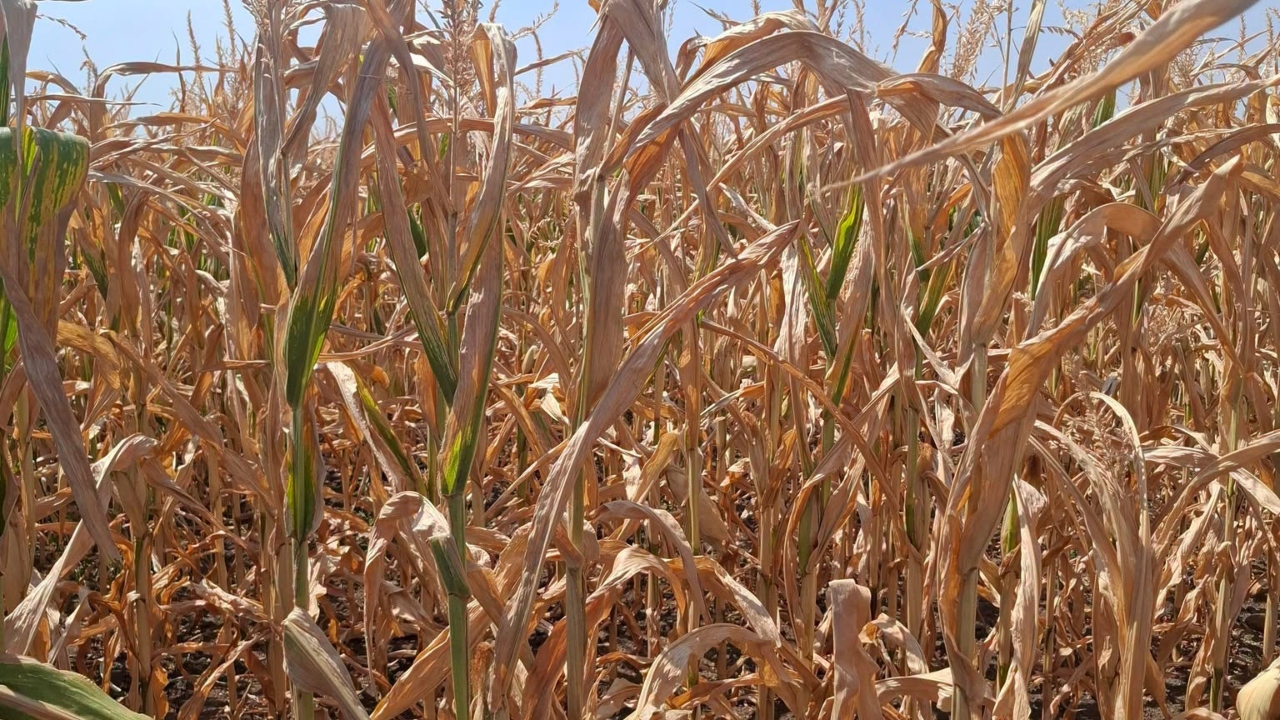
Corn supply deteriorates across the EU
The European Union’s corn harvest is forecast to fall by 19% from the previous year to 46.2 million tonnes in the 2026/27 season, according to Expana figures reported by AgroIntel. The contraction has tightened the regional outlook and helped lift corn prices compared with a year earlier, while wheat has become cheaper over the same period.
Weather has damaged corn prospects in several major producing areas. Summer heatwaves and the risk of aflatoxin further weakened the outlook in France. In Germany, drought and uneven rainfall are also expected to result in a smaller crop. The regional decline leaves European buyers facing a substantially tighter corn balance than the one developing in wheat.
Global supply is also expected to trail demand. The US Department of Agriculture forecasts world corn production of 1.291 billion tonnes in 2026/27, 3% below the previous season. Consumption is projected at 1.320 billion tonnes and ending stocks at 272 million tonnes, indicating continued pressure on available inventories.
Romania offers a partial counterweight
Romania is one of the few European origins with comparatively solid prospects. USDA raised its Romanian corn estimate by 600,000 tonnes this month to 7.837 million tonnes. The entire revision came from an improved yield forecast rather than an expansion in planted area.
The national picture nevertheless remains uneven. Severe drought in western Romania sharply reduced crops, even as improved yield assumptions elsewhere supported the higher countrywide estimate. Romanian grain may therefore become more important to regional users, but the domestic losses illustrate the weather risk still surrounding actual availability.
Wheat provides buyers with an alternative
The wheat market presents a less acute supply problem. USDA’s September forecast puts global wheat production at 822 million tonnes in 2026/27, around 3% below the preceding season, against consumption of 827 million tonnes and ending stocks of 276 million tonnes. Expana estimates the EU soft wheat harvest at 126.1 million tonnes, down 8%.
France harvested less wheat, but quality improved markedly. FranceAgriMer reported an average protein content of 11.8%, up from 11.3% in 2025, while test weight increased to 79.3 kilograms per hectolitre from 78.6. Average moisture declined to 11.3% from 12.6%, and the share of premium-quality wheat was the highest in 20 years.
Germany’s wheat harvest was reported at 20.6 million tonnes, while wet weather in August delayed completion of Poland’s harvest until early September. USDA places Romania’s wheat crop at 12.5 million tonnes, suggesting stable domestic supply without strong upward price pressure. For feed users able to adjust formulations, relatively cheaper wheat could partly offset scarce corn, although quality requirements and local availability will determine the extent of substitution.