El Niño threatens Peru's crop and fishery output through mid-2027
A long-running El Niño event that began in January is already cutting the quality, size and volume of key Peruvian crops and fish, from potato and coffee to anchoveta. Agronomist Ulises Osorio warns the anomaly could persist until mid-2027 and hits smallholders hardest.
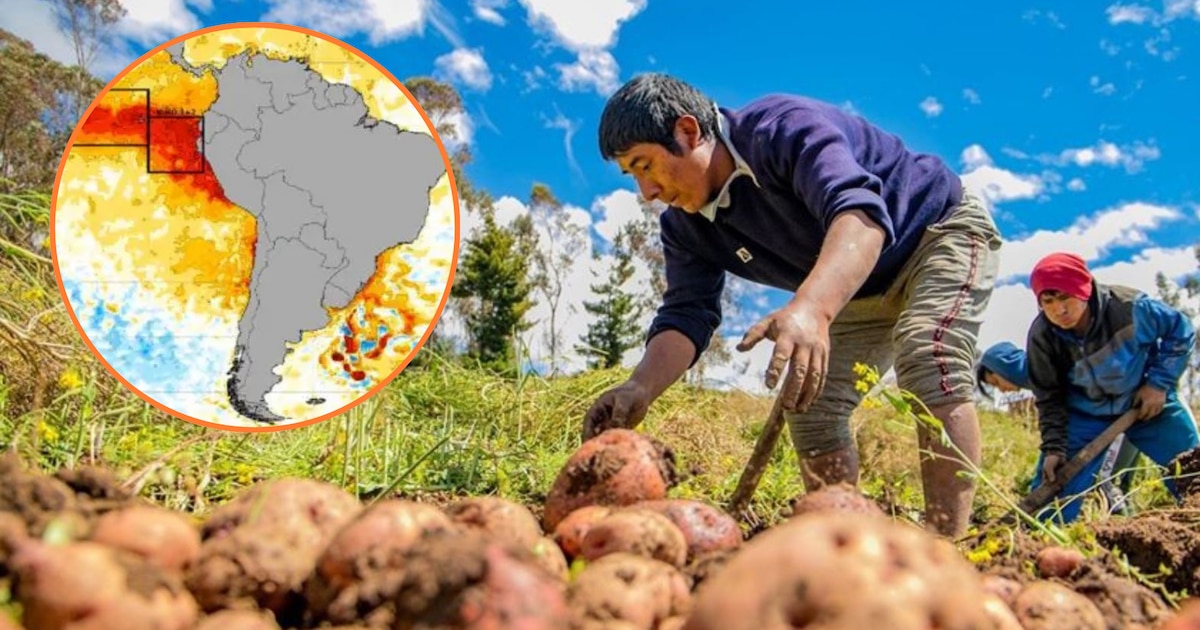
El Nino keeps Peru's food supply on alert
A long-lasting El Nino event is already reducing the quality, size and availability of key Peruvian crops and fish, and the disruption could last until the middle of 2027. Agronomist Ulises Osorio, in statements to 24 Horas cited by Infobae, warned of a severe alteration of the agricultural calendar and fishing cycles that could trigger shortages of some staple foods in the local market.
The event began in January. According to estimates by international and Peruvian bodies cited by Osorio, it will persist at least until mid-2027. Its effects are already visible across potato, rice, maize, coffee and anchoveta.
Crops lose quality and volume
The algarrobo, a wild plant adapted to drought, shows a 70% drop in yields. Avocado and passion fruit are deteriorating in color, flavor and weight, while mandarin is struggling to meet export standards for lack of color and sweetness. In the southern zone, Peru's main potato and grain region, yields are falling notably and pest pressure linked to plant stress is rising. In the jungle, coffee and cacao plantations are suffering from water deficit and thermal anomalies.
Osorio said potato is one of the crops most affected during an El Nino event. He also flagged a shift in the productive structure: the area planted with rice is expanding, which could lead to overproduction and falling prices. Growers of onion, watermelon and maize have already recorded losses.
Anchoveta shrinks, fish migrate
In the marine sector, Osorio reported a fall in biomass and a reduction in the fat content and size of anchoveta, a key resource in the Peruvian diet and fishing industry. He said more than 50% of the biomass is 'peladilla' — undersized, low-weight fish. Species such as sole, machete and pejerrey tend to migrate, while anchoveta remains in coastal zones with smaller size and lower reproductive capacity. Similar mass migrations were recorded between 1974 and 1982.
Smallholders hit hardest
The impact falls most heavily on small farmers. Osorio noted that the vast majority of Peruvian agriculture is made up of microfundios and minifundios — smallholders without the capacity to invest in new technology or adapt their crops. Agroexport firms, by contrast, are deploying technical solutions against abiotic stress: blueberry now requires special substrates, white or double-layer pots and sun protection, with investments reaching 100,000 dollars per hectare. Those companies continue to produce good-quality mandarins.
Osorio recalled prevention commissions such as the one set up in 1997-1998 during the government of Alberto Fujimori, and recommended future action focus on effective prevention, river cleaning and rational use of resources. In the short term, shortages of potato, maize, coffee, cacao, anchoveta, avocado, mandarin and passion fruit could intensify if the anomalous conditions persist and smallholders receive no technical support or advice.