East African drought cuts milk output as Kenya turns to Uganda for supply
A prolonged dry season is depressing dairy production in Kenya and Uganda at the same time. Kenya is buying more Ugandan milk to cover a domestic supply deficit, while Jesa Farm Dairy has announced a temporary shortage of its own products on the Ugandan market.
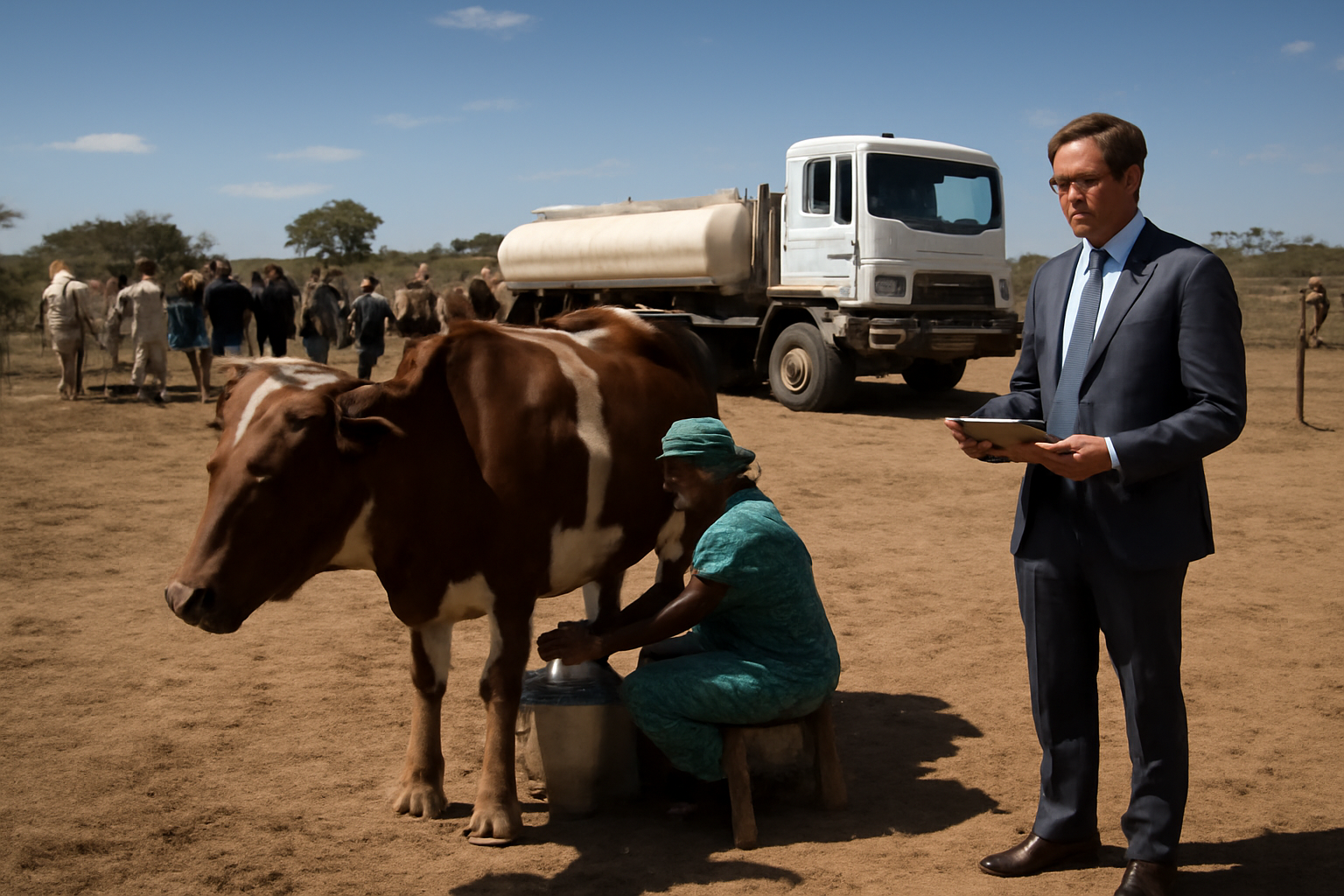
A prolonged dry season across East Africa is cutting raw milk volumes on both sides of the Kenya-Uganda border, pushing Kenya into a supply deficit and prompting one of Uganda's larger processors to warn of a temporary shortage of its own branded products.
Kenya moves into a milk deficit
Kenya is increasingly turning to Uganda for milk supplies as the prolonged dry season continues to depress domestic production and push the country into a supply deficit. Milk is among the most widely consumed animal proteins in the country, and processors have little room to absorb a fall in intake: raw milk cannot be stockpiled, so any gap has to be closed by buying more from farmers, by importing, or by reconstituting powder.
Dairy output in both countries rests largely on rain-fed pasture, which means herd productivity tracks the weather rather than feed purchasing decisions. When pasture dries out, yields per cow fall within weeks and stay depressed until the rains return and grass recovers. That lag is why dry-season deficits usually persist for a period after the first rainfall.
Jesa Farm Dairy flags a temporary shortage
Jesa Farm Dairy has announced a temporary shortage of its milk products on the Ugandan market, citing reduced production caused by the prolonged dry season. In a statement issued by management, the company tied the gap directly to lower raw milk availability rather than to any constraint in processing or distribution.
The announcement says more about the state of the raw material base than about a single company. A processor of that scale buys from a wide catchment of farmers, and if it cannot keep its lines full, smaller plants drawing on the same suppliers are unlikely to be better placed. While the shortage lasts, Ugandan buyers face thinner shelves for fresh milk and value-added lines.
Cross-border flows tighten
The two developments are connected. Uganda is normally the region's surplus milk producer and a regular supplier to Kenyan processors, so Kenyan buyers stepping up purchases are arriving in a market that is already short. Ugandan and Kenyan buyers end up competing for the same tankers of raw milk, which supports farmgate prices in Uganda while raising procurement costs for plants in Kenya.
Logistics amplify the effect. Milk moving from Ugandan collection centres to Kenyan processing plants spends longer in transit, which increases chilling requirements, the risk of loads rejected on quality grounds, and the cost per litre delivered. A period in which Kenya needs Ugandan volumes while Uganda is short at home also puts the regulation of cross-border dairy trade back into focus.
What to watch
The direction of the market over the coming weeks depends less on processing capacity than on rainfall and on how quickly herds recover once pasture returns. Several indicators will show whether the deficit is easing or deepening:
- the onset and reliability of the next rains in Kenyan and Ugandan dairy zones;
- farmgate raw milk prices in Uganda, which reflect competition between domestic and export buyers;
- retail availability and pricing of fresh milk in Kampala and Nairobi;
- any shift by Kenyan processors towards imported milk powder to cover the shortfall.