Brazil’s turkey meat production rebounds 7.4% as exports reach new markets
Brazil produced nearly 137,000 tonnes of turkey meat in 2025, up 7.4% from 2024 after a decade of contraction. First-half exports exceeded 33,000 tonnes, while reported revenue rose from $154 million to $213 million.
Production returns to growth
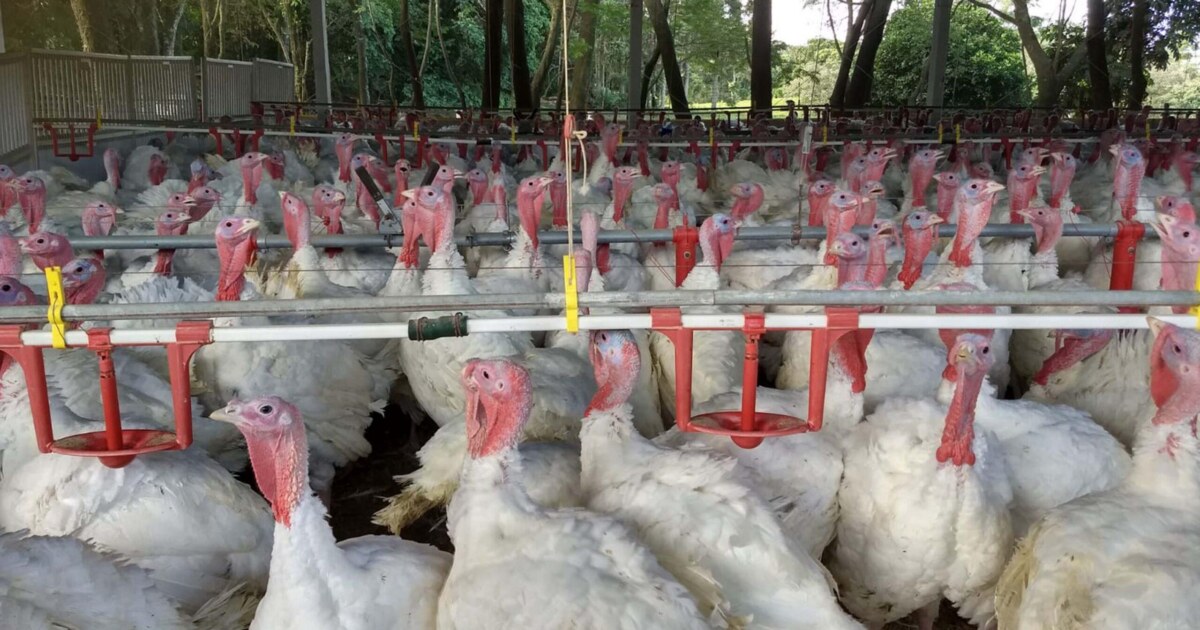
Brazilian turkey meat production reached nearly 137,000 tonnes in 2025, an increase of 7.4% from 2024, according to figures reported by SpaceMoney and PIRANOT. The result marked a return to growth after a decade of contraction and sharp declines in the domestic turkey industry.
The recovery was driven mainly by exports and access to additional overseas markets. SpaceMoney reported that producers have invested in changes to facilities and other improvements required to meet stricter sanitary standards. A project in Paraná is expected to expand production capacity intended for export, although the publication did not disclose the amount of investment or the planned capacity increase.
The available production figures have limitations. PIRANOT noted that the reported total and annual growth rate were not accompanied by the underlying statistical database or an explanation of the survey methodology. The data therefore indicate a clear rebound, but do not provide a detailed breakdown of output, slaughter volumes or company-level performance.
Exports and revenue advance
Brazil exported more than 33,000 tonnes of turkey meat from January through June, a 40% increase in the reported comparison period. Export revenue rose by 38%, from $154 million to $213 million. PIRANOT said the reference year for this first-half comparison was not specified in the released information.
The difference between the 40% increase in volume and the 38% rise in revenue suggests that average export returns did not rise at the same pace as shipments. Even so, the additional volume and higher total revenue provide processors with a stronger commercial basis for rebuilding a sector that had been shrinking for years.
Brazilian turkey meat reached 88 international markets in 2025, with Mexico identified as the leading destination. Chile, South Africa, the European Union and Peru were also among the principal buyers. The broader destination base reduces dependence on domestic consumption, while making continued growth more sensitive to overseas demand, sanitary access and compliance with importing-market requirements.
Southern states dominate shipments
The export chain is heavily concentrated in southern Brazil. Santa Catarina accounted for 44.8% of the reported shipments, Rio Grande do Sul for 32% and Paraná for 22.5%. Together, the three states represented 99.3% of exports. PIRANOT stressed that these shares refer to exports rather than each state’s production or slaughter volumes.
The concentration gives southern farmers, processors and logistics operators the greatest exposure to the recovery. It also means that sanitary disruptions or operational constraints in the region could affect almost the entire national export flow. Maintaining access to 88 markets and converting new demand into sustained production will depend on animal-health controls, investment in export-standard facilities and the ability of processors to serve customers with different technical requirements.