Brazil’s exports to the US fall 12.2% to a three-year low
Brazilian exports to the United States fell 12.2% in the reported year-to-date period, reaching their lowest level in three years. Softwood lumber led the decline, while Amcham expects bilateral trade to keep losing momentum as long as the current tariff environment persists.
Brazilian shipments reach a three-year low
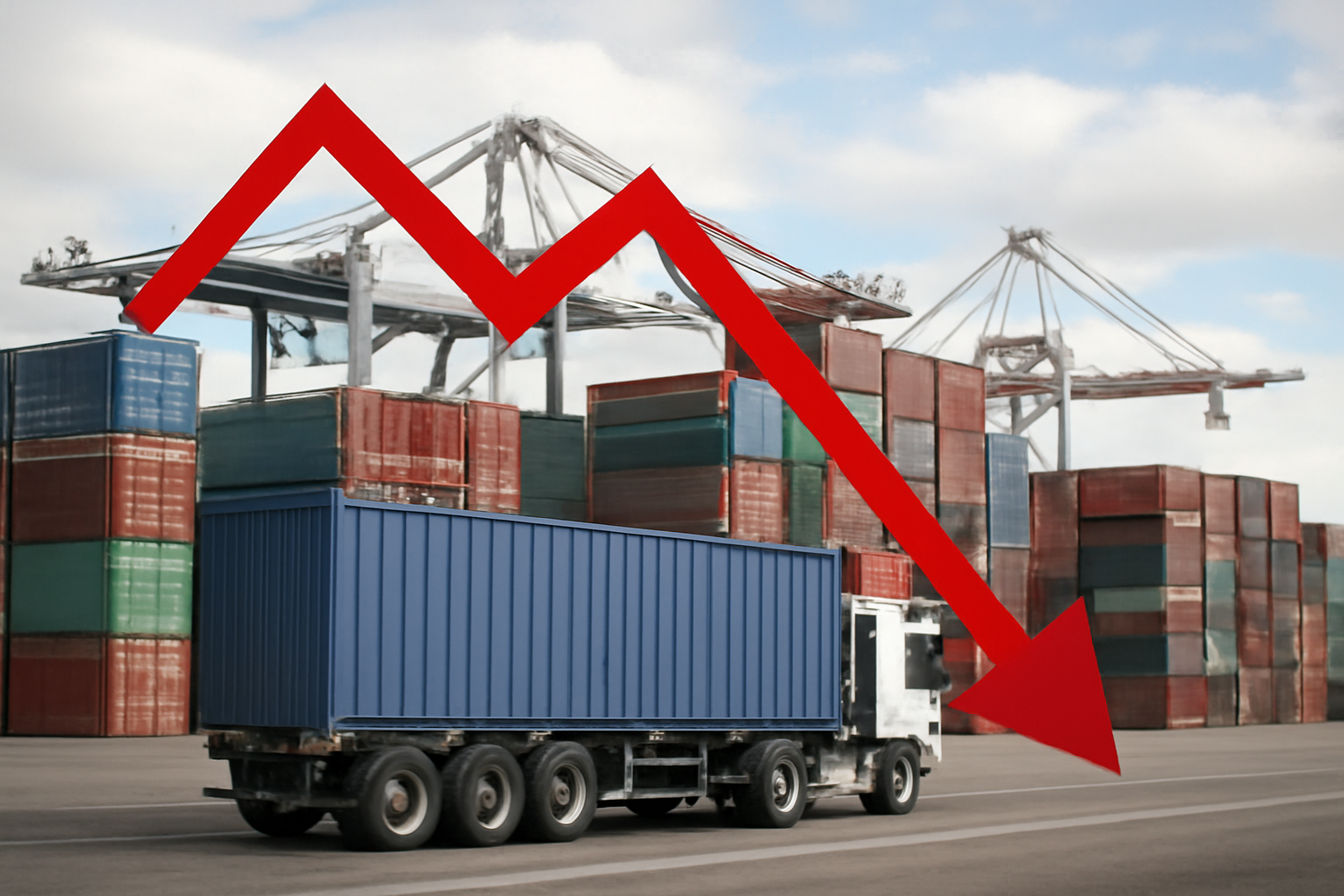
Brazil’s exports to the United States fell 12.2% in the reported year-to-date period and reached their lowest level in three years. The contraction points to weakening commercial activity between two major economies in the Americas, with the effects concentrated in sectors exposed to US tariff policy.
The available information does not specify the total value of Brazilian shipments, the exact reporting months or the tariff rates affecting individual products. It nevertheless identifies a clear direction: exports have declined substantially compared with the corresponding period, and the bilateral flow has fallen to a level not seen in three years.
For Brazilian producers and exporters, the decline means reduced access to a large destination market. For US importers, weaker shipments from Brazil may require changes in sourcing, particularly where Brazilian suppliers compete directly with domestic producers or exporters from other countries.
Softwood lumber leads the contraction
Softwood lumber was the main product behind the decline. The sector is therefore at the center of the current deterioration in Brazilian sales to the United States. A fall in lumber shipments can affect sawmills, forestry companies, logistics operators and traders whose operations depend on regular access to the US market.
Tariffs raise the landed cost of imported goods and can narrow the price advantage of foreign suppliers. When buyers cannot pass the additional cost through to customers, they may seek lower prices from exporters, reduce orders or switch suppliers. Brazilian companies can respond by accepting lower margins, redirecting volumes to other destinations or cutting production intended for the United States.
The impact is not limited to the companies shipping the finished lumber. Lower export demand can move through the forestry chain, affecting timber procurement, processing capacity and freight volumes. The scale of those secondary effects cannot be quantified from the information provided, but the leading role of softwood lumber in the overall decline makes the sector an important indicator for bilateral trade.
Amcham sees further loss of momentum
Amcham warned that trade between Brazil and the United States should continue losing strength while the current tariff environment remains in place. That assessment suggests the export decline may persist rather than reverse quickly, especially for products facing the greatest tariff exposure.
The outlook creates planning difficulties for producers, importers and investors. Exporters must decide whether to preserve capacity for the US market or accelerate diversification. Importers need to assess whether Brazilian supply remains competitive after tariffs, while investors must consider the risk that weaker orders will affect utilization rates and earnings in exposed industries.
The 12.2% decline also shows that tariff policy can influence trade flows before companies complete longer-term changes to factories, contracts or supply chains. If the tariff setting persists, commercial relationships may gradually shift toward alternative markets and suppliers. A change in policy could improve conditions, but the available information provides no timetable for such a move.
For now, the central signal is a measurable loss of Brazilian export momentum in the United States, led by softwood lumber. The duration of the tariff environment will help determine whether the decline remains a temporary disruption or leads companies on both sides to make more lasting sourcing and investment decisions.