Bolivian sugar imports put pressure on southwestern agroindustry during earthquake recovery
Sugar imports from Bolivia are increasing pressure on agroindustrial producers in the southwest as the region rebuilds after an earthquake. Lower margins could delay investment, constrain employment and reduce purchases from regional suppliers.
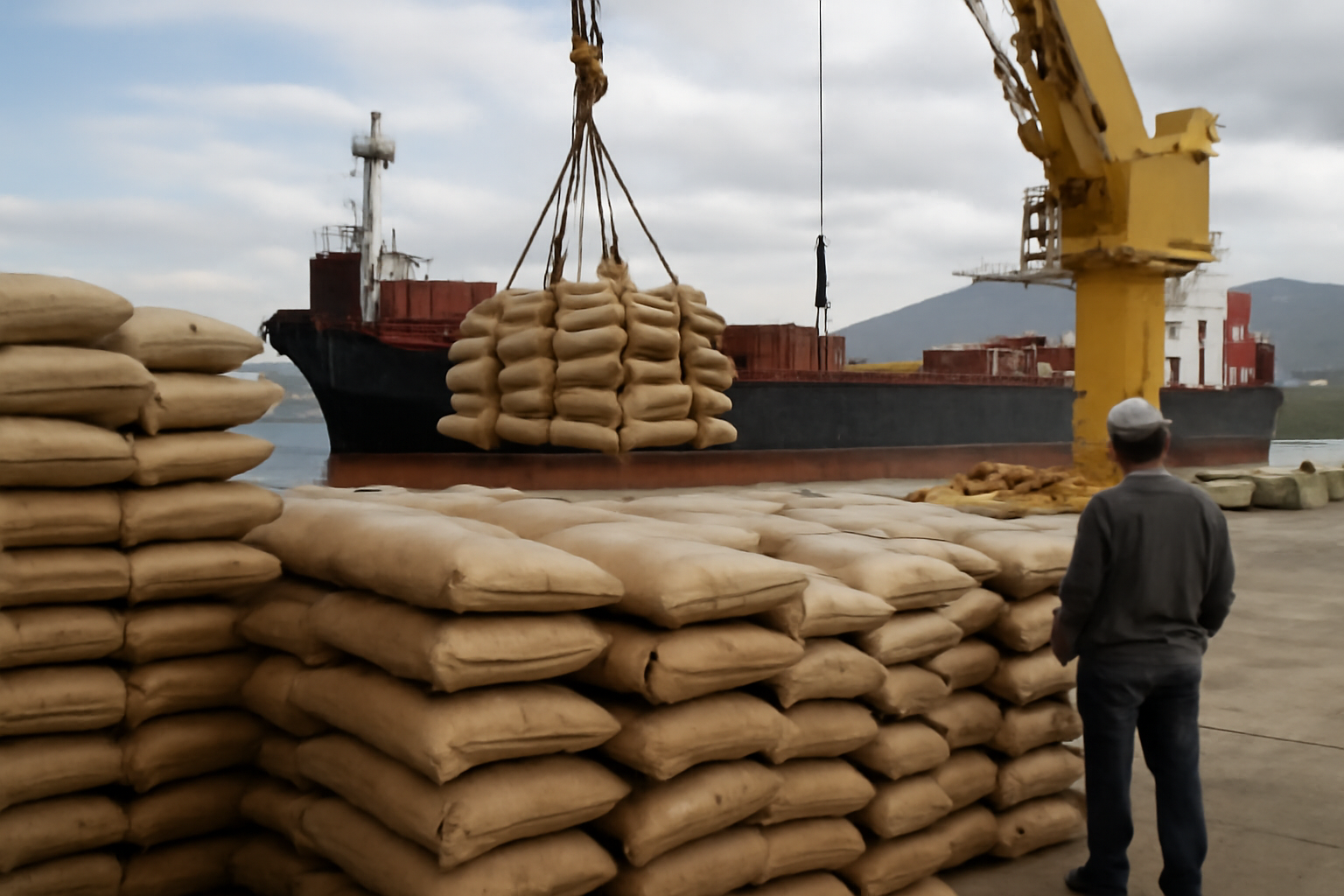
Imports add pressure during reconstruction
Sugar arriving from Bolivia has become a growing source of pressure for the agroindustrial sector in the southwest. The competition is emerging while the region is still rebuilding after an earthquake, creating a difficult combination of weaker commercial conditions and additional recovery costs.
The available reports do not specify import volumes, prices, affected companies or the precise share of the regional market supplied by Bolivian sugar. They nevertheless identify producer margins as the central concern. If imported sugar is sold at prices that domestic operators struggle to match, mills and other businesses in the supply chain have less room to finance operations, maintenance and reconstruction.
Investment and employment are exposed
Margin pressure can extend beyond immediate sugar sales. Agroindustrial companies commonly use operating cash flow to maintain equipment, finance crop purchases and prepare future investments. When that cash flow contracts, projects may be delayed even if long-term demand remains intact. The warning from the sector is that continued import pressure could slow investment precisely when rebuilding requires additional capital.
Employment is another potential point of impact. Sugar production supports work across cultivation, harvesting, processing, transport, maintenance and commercial distribution. The source material does not report job losses, but it says pressure on profitability could restrain employment. That distinction is important: the immediate issue is a risk to hiring and job stability, rather than a quantified reduction in the workforce.
Regional suppliers face a secondary effect
The consequences could also reach companies that do not sell sugar directly. Producers and processors purchase services, agricultural inputs, spare parts, fuel, transport and other goods from regional suppliers. If margins remain compressed, businesses may postpone orders, reduce inventories or prioritize essential expenditure. Such decisions would transmit the effects of import competition through the wider southwestern economy.
This risk carries greater weight during post-earthquake reconstruction. Local suppliers and workers may depend on agroindustrial spending at the same time that households and companies are repairing damaged assets. A decline in purchases by sugar businesses could therefore weaken one of the channels through which commercial activity supports the recovery.
Key market data remain unavailable
The reports provide no figures showing whether imports increased because of a production shortage, a price differential, changes in demand or another market factor. They also do not identify tariffs, quotas, safeguards or other trade measures affecting the shipments. Without those details, it is not possible to determine the scale of the competitive imbalance or whether it is temporary.
For producers, traders and investors, the next indicators will be import volumes, wholesale sugar prices, mill utilization and planned capital spending. Employment levels and purchasing from local suppliers will show whether the pressure is spreading beyond producer margins. The central issue is not the existence of trade alone, but whether regional companies can continue financing production and reconstruction while competing with incoming Bolivian sugar.