Bolivia: sugarcane, rice and transport sectors announce blockades over diesel price increase
Sugarcane producers, rice growers, residents of the Santa Cruz valleys and transport workers have announced road blockades against a diesel price increase they call the dieselazo, according to tercerainformacion.es. The report does not specify the size of the increase, a start date or the routes involved. Cane and rice, both heavy and low-value per tonne, are the crops most exposed to interrupted trucking.
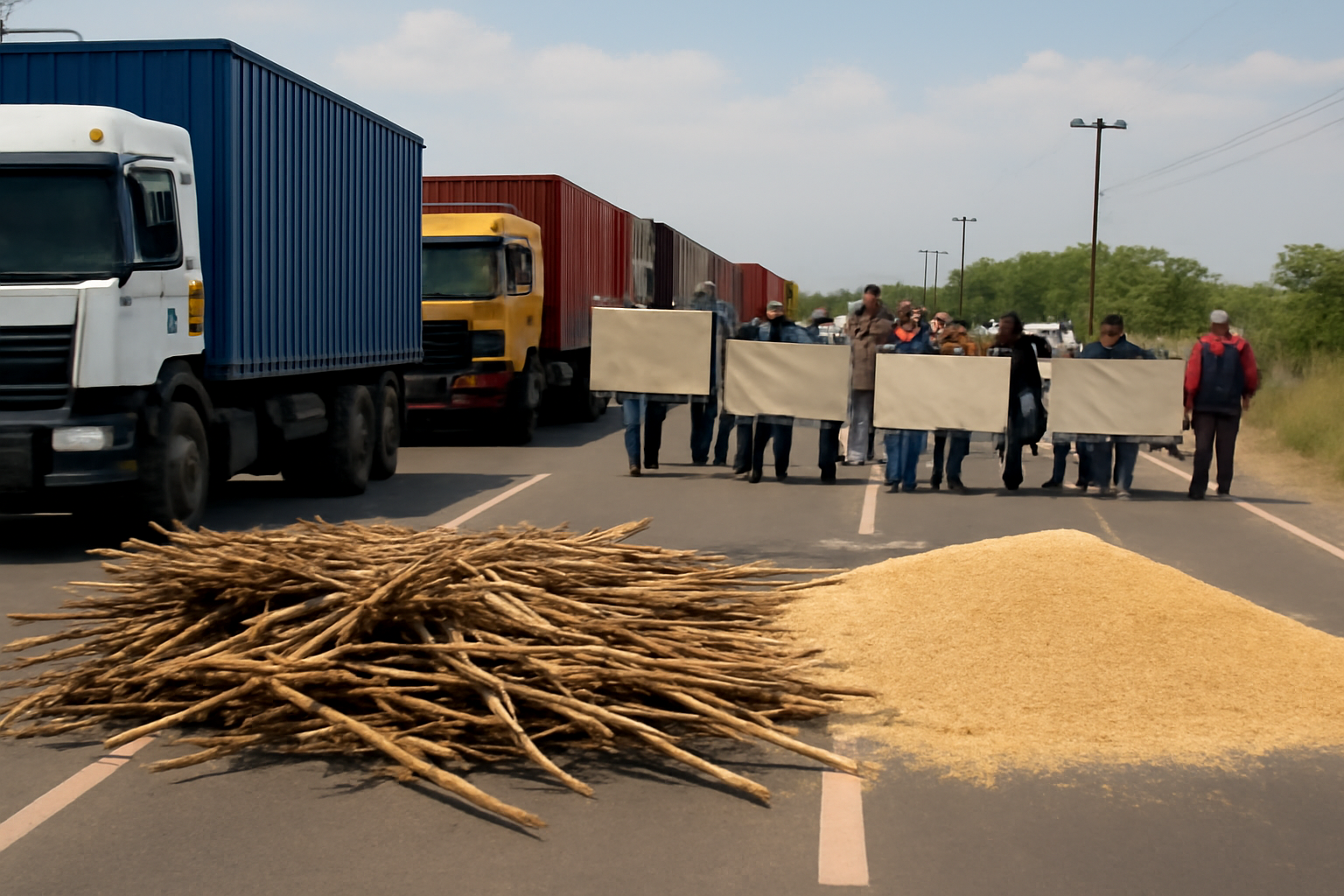
Sectors announce road blockades
Sugarcane producers, rice growers, residents of the Santa Cruz valleys and transport workers have announced road blockades in Bolivia in protest at an increase in the diesel price, a measure the sectors have named the dieselazo, tercerainformacion.es reported. The announcement brings together farming and freight interests that depend on the same fuel, and it places the country's main agricultural region at the centre of the dispute.
The report does not state the size of the price adjustment, the date on which the blockades are due to begin, or the specific highways involved. It also does not set out the government's justification for the measure. Those details will determine how much of the announcement translates into actual road closures, and how quickly processors and exporters need to adjust their logistics planning.
Why diesel sits at the centre of the protest
Diesel is the working fuel of Bolivian commercial agriculture. It is consumed at nearly every stage of the cane and rice cycles, and the sectors that announced the blockades are among the heaviest users per tonne produced. A price change therefore reaches producers through several channels at once rather than as a single cost line:
- field operations: land preparation, planting, spraying and mechanised harvesting;
- irrigation pumping, on-farm drying and storage;
- haulage of cane to sugar mills and of paddy to rice mills, on a daily cycle during harvest;
- distribution of the fuel itself to rural service stations and on-farm tanks.
Cane and rice share a characteristic that makes them unusually sensitive: both are heavy and low in value per tonne, so freight accounts for a large share of the delivered cost. Mills buy at gate prices, which leaves growers absorbing much of any increase in haulage costs. The participation of transport workers signals that carriers do not expect to pass the full increase on to clients either.
Supply-chain exposure
Blockades are a direct risk to processing. Sugar mills and rice mills operate on continuous intake during the harvest window, so interrupted deliveries mean idle capacity, and cut cane loses sugar content the longer it waits. Bolivia is landlocked and its domestic freight runs over a limited number of trunk roads, so closures on a small number of routes can affect a large share of movements.
The same corridors carry fuel, fertiliser and food in the opposite direction. Prolonged action would restrict deliveries of the very diesel at issue in the dispute, and urban markets typically register the effect on fresh produce prices within days. Exporters moving cargo by road to neighbouring countries would face schedule risk before volume risk.
What to watch
Three variables matter for anyone with exposure to Bolivian cane, rice or road freight: the size of the announced increase, the start date and duration of the blockades, and whether sectors outside Santa Cruz join the action. None of them is yet on the public record in the reporting available.
For now the announcement is a statement of intent rather than an interruption. tercerainformacion.es reports the sectors as announcing mobilisation; it does not describe blockades already in place. Buyers with contracted volumes moving by road in the coming weeks have reason to confirm haulage arrangements and review force majeure terms, but no disruption to volumes has been confirmed at this stage.