Belarus to Test Indonesian Cocoa Beans as Chocolate Makers Diversify Supply
Belarus expects a trial shipment of Indonesian cocoa beans by the end of 2026, adding a prospective source alongside Liberia, Côte d’Ivoire and Venezuela. The move comes as cocoa prices remain volatile after falling from a December 2024 peak above $12,000 per tonne.
Trial shipment expected by year-end
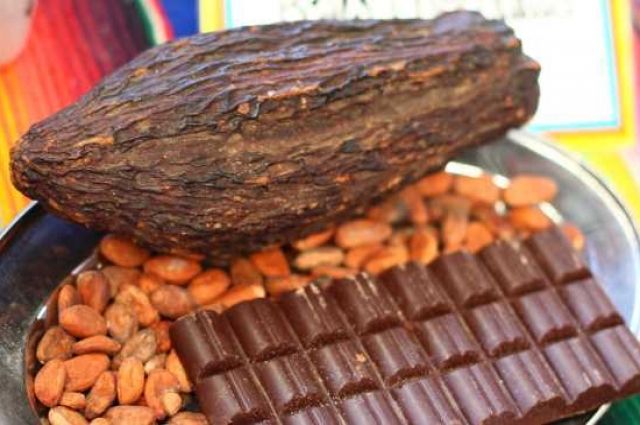
Belarus is preparing to receive a trial shipment of cocoa beans from Indonesia by the end of 2026, potentially expanding the sourcing options available to the country’s chocolate and confectionery manufacturers. Igor Grutso, deputy chairman of the Belgospishcheprom state food industry concern, announced the planned delivery during a broadcast on Belarusian television channel STV, according to aif.by.
The size of the shipment, its supplier and the Belarusian companies expected to test the beans were not disclosed. The delivery will therefore represent an initial commercial and technical assessment rather than confirmation of regular trade. Chocolate manufacturers typically need to evaluate beans for flavour, fat content, consistency and suitability for existing processing and product recipes before establishing recurring purchases.
Belarus broadens its supplier base
Belarus currently imports cocoa beans from Liberia, Côte d’Ivoire and Venezuela, aif.by reported. Adding Indonesia would broaden that supplier base beyond the three existing origins and give processors another option when comparing prices, quality specifications and delivery conditions.
The diversification is significant because Belarus does not produce cocoa domestically and its confectionery sector depends on imported raw material. A successful trial could create a new trade flow between Indonesia and Belarus, although the available source material provides no prospective annual volume, contract value or delivery route. It also does not indicate whether purchases from Indonesia would supplement existing suppliers or replace part of their volumes.
Indonesia would bring a major Asian producing country into a supply portfolio that currently spans West Africa and Latin America. Côte d’Ivoire is already among the origins supplying Belarus, while Liberia provides a second West African source and Venezuela represents Latin America. For Belarusian processors, the practical value of another origin will depend on bean quality, freight costs, payment terms and the reliability of future shipments.
Cocoa prices remain volatile
The sourcing initiative follows extreme movements in international cocoa prices. According to aif.by, cocoa exceeded $12,000 per tonne in December 2024 and reached a peak of $13,000 per tonne. By February 2026, quotations had fallen below $3,400 per tonne. The publication put the current price at about $6,000 per tonne, indicating that the market had recovered from the February level but remained far below its record.
The report linked much of the volatility to El Niño in the tropical Pacific. In cocoa-producing countries, the climate phenomenon can cause either drought or excessive rainfall, with both conditions damaging tree yields. Such weather risks can disrupt crop expectations and amplify price movements for processors that need steady supplies.
For chocolate makers, the difference between the cited peak of $13,000 and the current level of about $6,000 per tonne materially changes raw-material costs, but the rebound from less than $3,400 also shows why procurement remains difficult. A wider supplier network cannot eliminate global price exposure, although it can provide more flexibility in negotiating individual contracts and managing disruptions at a particular origin.
No chocolate price increase expected this year
Oleg Zhidkov, head of Belgospishcheprom, believes that the period of the sharpest increase in global raw-material prices has ended. He said chocolate prices are not expected to rise this year, aif.by reported.
That outlook places added importance on procurement decisions. Belarusian manufacturers must secure enough cocoa while protecting margins in a market where the raw material has moved by several thousand dollars per tonne within a relatively short period. The Indonesian trial will show whether another origin can meet their technical and commercial requirements. Until tests are completed and contracts are disclosed, however, Indonesia remains a prospective rather than established supplier to Belarus.