Belarus Seeks Approval to Supply Dairy Products to Morocco
Morocco’s ONSSA is preparing to audit Belarusian dairy plants, the final step before approved producers can enter the market. Minsk is targeting Morocco’s rising demand for milk powder and seeking to reduce its dairy sector’s dependence on Russia.
Plant audit will determine market access
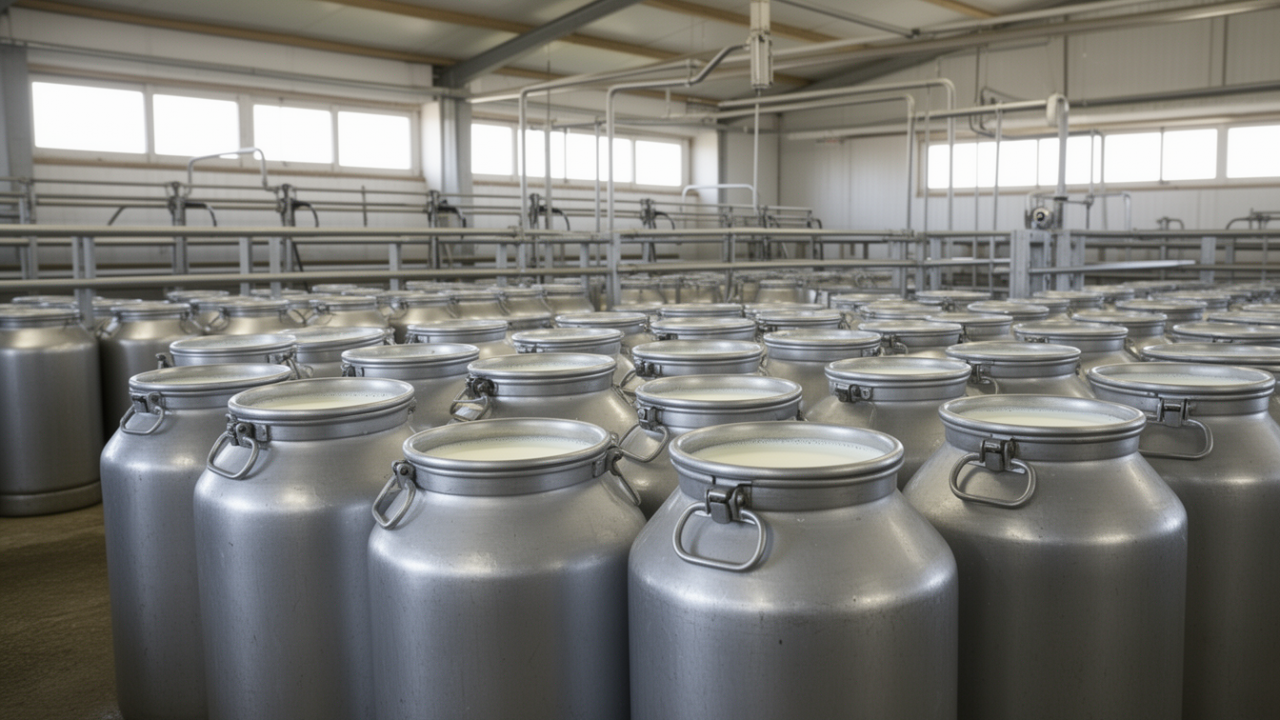
Belarus is seeking authorization to become an official supplier of dairy products to Morocco, with a regulatory inspection now standing between its processors and commercial access to the North African market. Pravda.ru, citing the Belarusian Ministry of Agriculture and Food, reported that inspectors from Morocco’s National Office for Food Safety, known as ONSSA, are expected to audit Belarusian dairy plants.
The inspection will assess compliance with Morocco’s veterinary and sanitary requirements and represents the final stage before the market can be opened. Belarusian Deputy Agriculture and Food Minister Ivan Smilgin said the audit would be conducted while the plants were operating normally. Inspectors are expected to review the entire production chain, including raw-material controls, agricultural practices, laboratory testing of finished products and certification procedures.
Milk powder imports have risen sharply
Morocco’s commercial opportunity reflects the structure of its dairy market. The country is able to cover its demand for fresh milk but still requires imported processed products and industrial ingredients. Milk powder purchases have expanded particularly quickly. According to figures cited by Challenge, imports rose from 10,210 tonnes in 2021 to a projected 40,000 tonnes in 2024.
Data from Morocco’s Office des Changes reinforce that trend. During the first quarter of 2024 alone, the country imported about 23,400 tonnes of product valued at approximately 690 million dirhams. These volumes make regulatory approval commercially relevant for Belarusian processors, although no potential shipment volume, contract value or timetable for the first deliveries has been disclosed.
ONSSA approval is mandatory before food products can clear Moroccan customs. A positive inspection would therefore establish legal access but would not by itself guarantee supply contracts or shelf space. Belarusian exporters would still need to compete for buyers in a market already served by imported dairy ingredients.
Minsk looks beyond its traditional Russian market
The initiative is part of Belarus’s effort to diversify dairy exports and reduce dependence on Russia. Dairy is a major component of the Belarusian food economy: exports reached $3.4 billion in 2024 and accounted for more than 40% of the country’s total food exports. Minsk plans to raise dairy export revenue to $4 billion by the end of the decade while increasing production from 9.2 million tonnes to 10.5 million tonnes between 2025 and 2030.
Broader trade with Morocco is already growing. Belarusian government data published by Hespress showed that Belarusian industrial sales to Morocco increased 4.9-fold in the first seven months of 2025. Previous certification efforts indicate, however, that plant approval can be a bottleneck. In Indonesia, only four Belarusian facilities had been certified before 2026; an inspection early that year added another 13 companies. Belarusian dairy products can enter Morocco only after ONSSA issues a favorable conclusion, formally completing the approval process between the two countries.