Austria’s Record Drought Cuts Crop Yields and Strains Water, Livestock and Infrastructure
Austria is experiencing its driest year since measurements began, with grain production down more than 20% and the maize harvest expected to fall by 30-50%. The drought is also reducing livestock feed, lowering groundwater levels and increasing pressure on food prices, public finances and infrastructure.
Crop losses spread across Austrian agriculture
Austria is experiencing its driest year since measurements began, according to Wiener Zeitung, as prolonged heat and a lack of rainfall affect agriculture, food prices, water supplies, electricity generation and rail infrastructure. The completed grain harvest was more than 20% below the previous year, although the extremely dry August came too late to have much additional impact on those crops.
The Austrian Chamber of Agriculture expects maize production to decline by 30-50%. Even maize, generally considered resistant to heat, suffered under the exceptional conditions, while irrigation is often too expensive to be economically viable. Losses are also expected in sugar beet, pumpkin, soybean and sunflower crops, although their final scale will only become clear after harvesting.
Farmers are now preparing autumn sowing in extremely dry soil. Andreas Pfaller, head of plant products at the Chamber of Agriculture, said necessary rainfall may not arrive before October. He expects producers to reconsider crops with high costs and strong sensitivity to weather, particularly sugar beet. Potato planting could also decline.
Low yields collide with weak producer prices
The production shock comes after above-average global harvests in the previous year pushed commodity prices lower. Austrian farmers therefore face both reduced yields and producer prices that remain weak. The drought’s total damage is estimated at no less than €1 billion, while the federal government has agreed to distribute €240 million in drought assistance to affected farmers this year. The hail-insurance premium will be reduced by 10% next year.
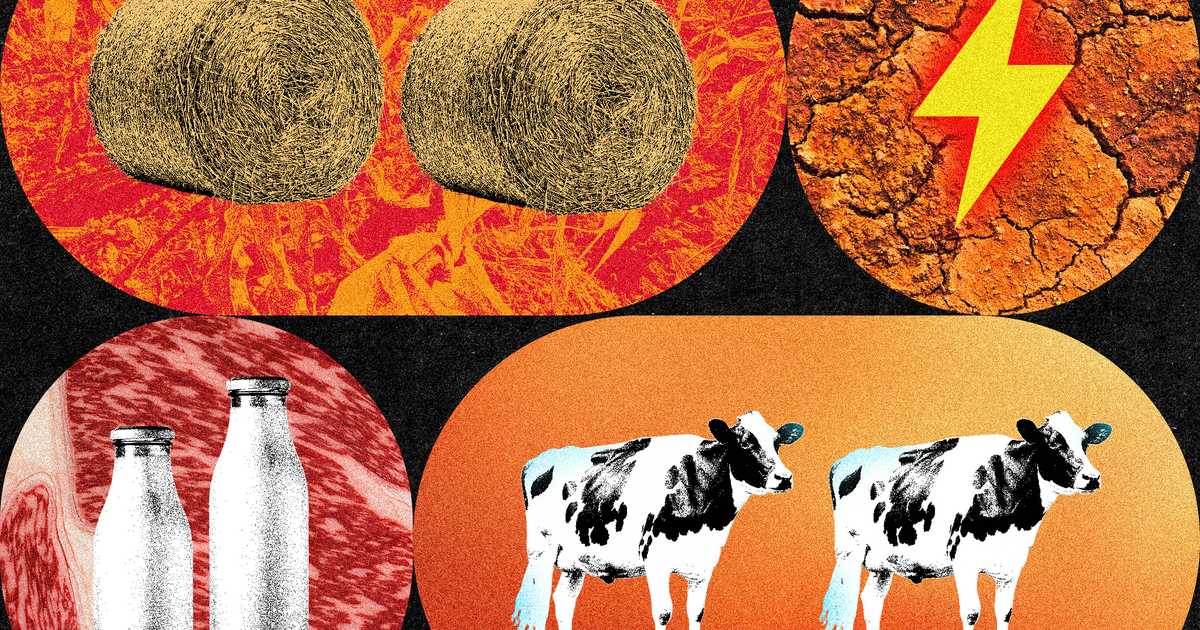
Livestock farms face a separate feed shortage. With alpine pastures dried out and losses in hay and silage maize, some regions are missing as much as 50% of required feed. Around 1,000 more cattle than usual are currently being slaughtered each week, mainly older dairy cows. Some meat is being used for burger patties, while some is chilled for later sale. Fattening operations may also reduce their herds, which could mean fewer finished cattle and less beef in one year.
Imports can prevent shortages, but prices may rise
Wiener Zeitung reports that outright food shortages are not expected because Austria can increase imports or reduce exports. Domestic products are likely to remain most visible in supermarkets and restaurants, where buyers pay attention to origin labels. However, the Austrian share of processed foods could fall, and consumer prices may rise.
Researchers are calling for longer-term changes in production. Marianne Penker, a professor at BOKU University in Vienna, said agriculture must become more resilient to recurring weather extremes. She pointed to plant proteins and legumes as alternatives requiring less energy than livestock production and heavily fertilized crops. According to Penker, legumes obtain nitrogen from the air and can reduce fossil-energy use for nitrogen supply by almost 100% compared with strongly fertilized crops such as maize.
Groundwater falls as future demand increases
Public water systems are still supplying all customers, but most groundwater levels are below normal. At almost one in five monitoring stations, water has fallen to its lowest level recorded. Some wells serving remote farms have dried up or can provide enough water only for people, leaving animals dependent on fire brigades or tanker deliveries. Several municipalities prohibited the filling of private swimming pools as early as April.
Storage capacity and regional networks should prevent any municipality from running dry before the next replenishing rainfall. Longer term, however, the Wasserschatz Österreichs study projects public water demand to rise by 11-15% by 2050 and by as much as 50% in some fast-growing cities. Greenpeace has warned that 471 of Austria’s roughly 2,000 municipalities could face water scarcity by 2050. Vienna and other municipalities are expanding storage as drought risks increasingly affect farming, hydropower, drinking water and transport infrastructure.