Alcohol-free beer reaches one in seven draught orders in Spain
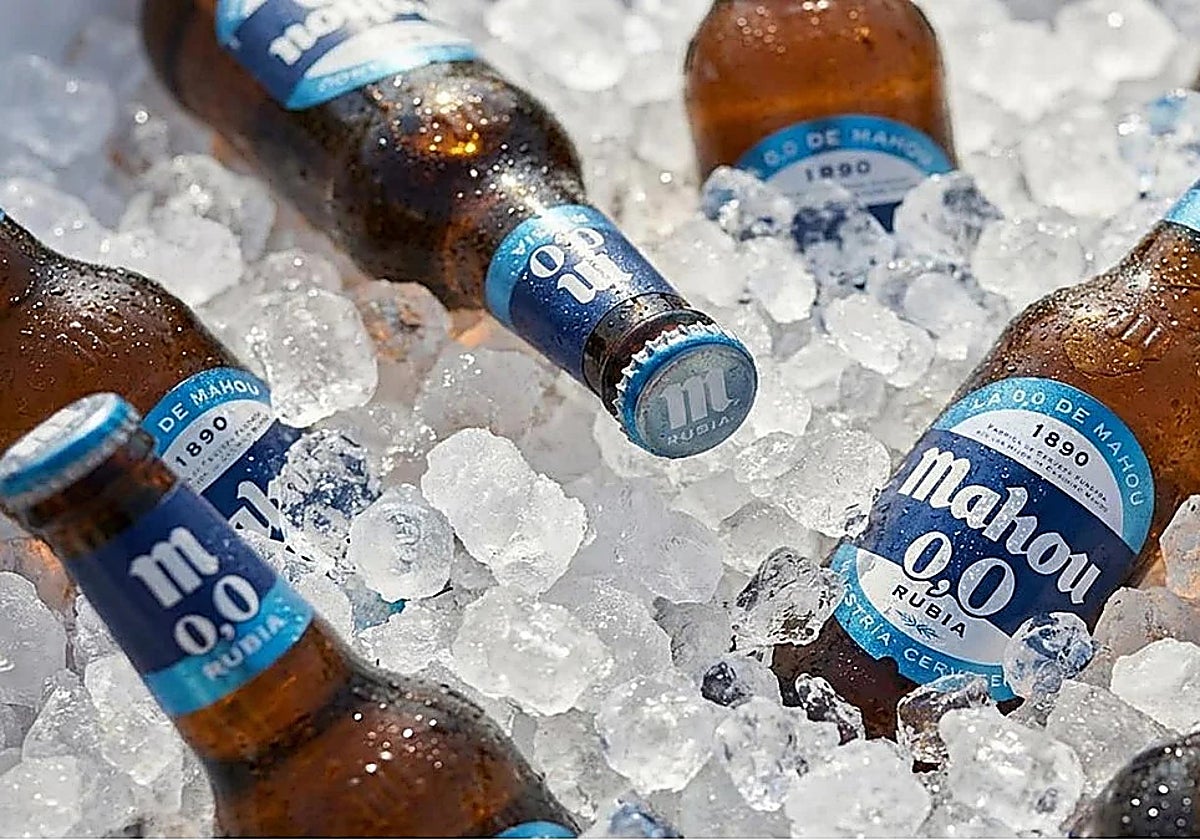
Alcohol-free beer is expected to exceed 14% of Spanish beer consumption, with one in seven draught orders now alcohol-free. The category is increasingly used by traditional beer drinkers who alternate products according to the occasion.
Alcohol-free beer moves into the mainstream
Alcohol-free beer now accounts for one in every seven draught beers ordered in Spain, and its share of national beer consumption is expected to exceed 14%, according to Las Provincias. Spain is also the European Union’s leading producer and consumer of the category: one in four alcohol-free beers served in the bloc is ordered in the country.
The expansion is not being driven only by abstainers. Nearly 90% of people who drink alcohol-free beer are also regular consumers of traditional beer. They switch between the two depending on the time of day, the setting and responsibilities such as driving. This pattern has turned a product once associated mainly with medical advice or traffic controls into a regular choice at meals and social gatherings.
Beer volumes stabilise after post-pandemic swings
Overall beer consumption in Spain stands at about 50.5 litres per person annually. The domestic market sold 38.2 million hectolitres in 2025, down 1% from 2024, according to the 2025 Socioeconomic Report on the Beer Sector in Spain, prepared by Cerveceros de España and the Ministry of Agriculture, Fisheries and Food. Despite the decline, total volume remained above levels recorded before 2019.
Sales channels developed differently. Hospitality activity fell 0.3% in 2025, while beer sales through the channel declined 2.4% year on year. Supermarkets and hypermarkets, by contrast, grew 0.4%. The figures indicate a modest shift towards home consumption as buyers become more selective, while alcohol-free products give brewers and retailers an additional way to retain consumers moderating their intake.
Health and social habits reshape portfolios
Younger consumers are reinforcing the change. FAD Juventud data for 2026 show that 57.9% of Spaniards aged 15 to 29 drink alcohol only very occasionally or never. Greater attention to mental health and wellbeing, together with the growth of movements such as Britain’s Sober Curious initiative, has made sobriety or moderation a more accepted lifestyle choice.
For producers and hospitality operators, the key commercial feature is alternation rather than complete substitution. Alcohol-free beer broadens the occasions in which established beer consumers can remain in the category. This creates demand for wider product portfolios and reliable draught availability, particularly in Spain’s food-led, social drinking culture.
Labelling remains important
Spanish rules distinguish alcohol-free beer from low-alcohol beer. Royal Decree 678/2016 defines alcohol-free beer as containing less than 1% alcohol by volume, while low-alcohol beer contains between 1% and 3%. The regulation does not establish a universal legal definition for the commercial term “0.0”.
Consumers therefore need to check the stated alcohol content rather than assume that every product labelled alcohol-free contains absolutely no alcohol. For manufacturers, distributors and bar operators, clear labelling and staff communication will become more important as the category takes a larger share of routine beer purchases.