







Earlier Report Observations
From 2018 to 2021, the market for milling industry machinery in Germany expanded from $40.7 million to $79.3 million. This rise was initially fueled by the launch of advanced development and testing facilities like the Bühler Grain Technology Center, which introduced high-quality processing technology for grain and legumes. Later growth was reinforced by increasing cultivation areas for legumes and their growing incorporation into animal feed, which heightened the need for specialized processing equipment.
Following a contraction to $25.9 million in 2022, the market value recovered to $45.0 million by 2024. The rebound was supported by resilient demand for food processing machinery, driven by rising consumption of packaged and processed foods and government initiatives to bolster domestic processing capacity for food security, even as the broader machinery sector faced global economic softness and supply chain constraints that dampened investment.
Table of content
- 1. Disclaimer
- 2. Terms of use of the report
- 3. Product codes in the statistical classifications used in the report
-
4. Key Market Indicators and Trends
-
4.1. Key Market Indicators
-
4.1.1. In value
- 4.1.1.1. Production, 2018-2024
- 4.1.1.2. Imports, 2018-2024
- 4.1.1.3. Exports, 2018-2024
- 4.1.1.4. Market size, 2018-2024
-
4.1.1. In value
- 4.2. Market Trends and Factors
-
4.1. Key Market Indicators
-
5. Production
-
5.1. Production in Germany
- 5.1.1. In kind, 2018-2024, unit
- 5.1.2. In value, 2018-2024, M $ US
-
5.2. Production in the EU, 2018-2024
- 5.2.1. In kind, 2018-2024, unit
- 5.2.2. In value, 2018-2024, M $ US
-
5.1. Production in Germany
-
6. Exports
-
6.1. Exports (Direct Data)
- 6.1.1. Exports - Total information
-
6.1.2. Exports in kind, t
- 6.1.2.1. Annual dynamics of product's exports from Germany in kind, 2018-2024, t
- 6.1.2.2. Dynamics of product's exports in kind from Germany by countries, 2018-2024, t
- 6.1.2.3. Structure of product's exports in kind by countries, 2018-2024
-
6.1.3. Exports in value, K $ US
- 6.1.3.1. Annual dynamics of product's exports from Germany in value, 2018-2024, K $ US
- 6.1.3.2. Dynamics of product's exports in value from Germany by countries, 2018-2024, K $ US
- 6.1.3.3. Structure of product's exports in value by countries, 2018-2024
-
6.1.4. Average price of product's exports, $ US/kg
- 6.1.4.1. Annual dynamics of average price of product's exports from Germany, 2018-2024, $ US/kg
- 6.1.4.2. Dynamics of average price of product's exports from Germany by countries, 2018-2024, $ US/kg
-
6.2. Exports (Mirror Data)
- 6.2.1. Exports - Total information
-
6.2.2. Exports in kind, t
- 6.2.2.1. Annual dynamics of product's exports from Germany in kind, 2018-2024, t
- 6.2.2.2. Dynamics of product's exports in kind from Germany by countries, 2018-2024, t
- 6.2.2.3. Structure of product's exports in kind by countries, 2018-2024
-
6.2.3. Exports in value, K $ US
- 6.2.3.1. Annual dynamics of product's exports from Germany in value, 2018-2024, K $ US
- 6.2.3.2. Dynamics of product's exports in value from Germany by countries, 2018-2024, K $ US
- 6.2.3.3. Structure of product's exports in value by countries, 2018-2024
-
6.2.4. Average price of product's exports, $ US/kg
- 6.2.4.1. Annual dynamics of average price of product's exports from Germany, 2018-2024, $ US/kg
- 6.2.4.2. Dynamics of average price of product's exports from Germany by countries, 2018-2024, $ US/kg
-
6.1. Exports (Direct Data)
-
7. Imports
-
7.1. Imports (Direct Data)
- 7.1.1. Imports - Total information
-
7.1.2. Imports in kind, t
- 7.1.2.1. Annual dynamics of product's imports to Germany in kind, 2018-2024, t
- 7.1.2.2. Dynamics of product's imports in kind to Germany by countries, 2018-2024, t
- 7.1.2.3. Structure of product's imports in kind by countries, 2018-2024
-
7.1.3. Imports in value, K $ US
- 7.1.3.1. Annual dynamics of product's imports to Germany in value, 2018-2024, K $ US
- 7.1.3.2. Dynamics of product's imports in value to Germany by countries, 2018-2024, K $ US
- 7.1.3.3. Structure of product's imports in value by countries, 2018-2024
-
7.1.4. Average price of product's imports, $ US/kg
- 7.1.4.1. Annual dynamics of average price of product's imports to Germany, 2018-2024, $ US/kg
- 7.1.4.2. Dynamics of average price of product's imports to Germany by countries, 2018-2024, $ US/kg
-
7.2. Imports (Mirror Data)
- 7.2.1. Imports - Total information
-
7.2.2. Imports in kind, t
- 7.2.2.1. Annual dynamics of product's imports to Germany in kind, 2018-2024, t
- 7.2.2.2. Dynamics of product's imports in kind to Germany by countries, 2018-2024, t
- 7.2.2.3. Structure of product's imports in kind by countries, 2018-2024
-
7.2.3. Imports in value, K $ US
- 7.2.3.1. Annual dynamics of product's imports to Germany in value, 2018-2024, K $ US
- 7.2.3.2. Dynamics of product's imports in value to Germany by countries, 2018-2024, K $ US
- 7.2.3.3. Structure of product's imports in value by countries, 2018-2024
-
7.2.4. Average price of product's imports, $ US/kg
- 7.2.4.1. Annual dynamics of average price of product's imports to Germany, 2018-2024, $ US/kg
- 7.2.4.2. Dynamics of average price of product's imports to Germany by countries, 2018-2024, $ US/kg
-
7.1. Imports (Direct Data)
-
8. Trade balance
-
8.1. Trade balance (Direct Data)
- 8.1.1. In kind, t
- 8.1.2. In value, K $ US
-
8.2. Trade balance (Mirror Data)
- 8.2.1. In kind, t
- 8.2.2. In value, K $ US
-
8.1. Trade balance (Direct Data)
-
9. Top buying and selling countries, 2018-2024
-
9.1. Direct Data
- 9.1.1. Import in Value by Countries-buyers
- 9.1.2. Export in Value by Countries-suppliers
-
9.2. Mirror Data
- 9.2.1. Import in Value by Countries-buyers
- 9.2.2. Export in Value by Countries-suppliers
-
9.1. Direct Data
Production milling industry machinery in Germany
In value, 2017-2020, M $ US
Germany's milling industry machinery production grew for the second year in a row. In 2020, output reached 97.9 million US dollars, marking a moderate increase of 6.4% compared to the previous year. However, looking at the period from 2017 to 2020, production actually declined by 11.8%, which translates to an average annual decrease of 4.1%. The lowest point was in 2018, with production valued at 76.7 million US dollars. That year also saw the sharpest drop of 30.8%, while the largest gain occurred in 2019 with a 19.9% increase.
Annual dynamics of production in Germany in value, 2017-2020, M $ US
| Parameter | 2018 | 2019 | 2020 | CAGR | |
|---|---|---|---|---|---|
| 1 | Change from last year | (30.8%) | 19.9% | 6.4% | (4.1%) |
Exports milling industry machinery from Germany
Exports in kind, t
Germany's exports of milling industry machinery fell for the third consecutive year. In 2020, exports totaled 1,789 tonnes, down 3.4% from the previous year. Over the broader period from 2017 to 2020, exports dropped by 36.4%, averaging an annual decline of 14.0%.
Annual dynamics of product's exports from Germany in kind, 2017-2020, t
| Parameter | 2018 | 2019 | 2020 | CAGR | |
|---|---|---|---|---|---|
| 1 | Change from last year | (21.7%) | (15.9%) | (3.4%) | (14.0%) |
From 2017 to 2020, Germany's milling industry machinery exports in kind were spread across a diverse range of partner countries. Russia accounted for 11.3% of these exports, Azerbaijan for 6.5%, and the United States for 4.7%. Together, these three countries made up just 22.4% of the total export volume, indicating a widely distributed market.
Structure of product's exports in kind by countries, 2017-2020
World map of product's exports from Germany in kind, 2017-2020
Exports in value, K $ US
After two years of decline, Germany's milling industry machinery exports in value terms rebounded. In 2020, export volume reached 50,182 thousand US dollars, up 5.8% from the previous year. Despite this recent gain, exports decreased by 16.5% overall between 2017 and 2020, averaging an annual drop of 5.8%. The lowest value was recorded in 2019 at 47,452 thousand US dollars, with the largest decline occurring in 2018 at 12.0%.
Annual dynamics of product's exports from Germany in value, 2017-2020, K $ US
| Parameter | 2018 | 2019 | 2020 | CAGR | |
|---|---|---|---|---|---|
| 1 | Change from last year | (12.0%) | (10.3%) | 5.8% | (5.8%) |
The market for Germany's milling industry machinery exports in value terms was highly diversified from 2017 to 2020. Russia led with 8.1% of exports, followed by the United States and Poland, each at 5.0%. Combined, these three countries accounted for only 18.1% of total flows, while the remaining 81.9% was distributed among numerous other nations.
Structure of product's exports in value by countries, 2017-2020
World map of product's exports from Germany in value, 2017-2020
Imports milling industry machinery to Germany
Imports in kind, t
The data shows irregular changes, pointing to a volatile market environment. Imports bottomed out in 2018 at 761 tonnes and peaked in 2020, with a 2.4-fold difference between these years. In 2020, Germany imported a total of 1,617 tonnes of milling industry machinery, a dramatic increase of 112.2% compared to 2019. The largest decline was recorded in 2018 at 28.0%.
Annual dynamics of product's imports to Germany in kind, 2017-2020, t
| Parameter | 2018 | 2019 | 2020 | CAGR | |
|---|---|---|---|---|---|
| 1 | Change from last year | (28.0%) | 12.5% | 112.2% | 19.8% |
From 2017 to 2020, Switzerland, Italy, and China were the primary sources for Germany's milling industry machinery imports in kind. Switzerland accounted for 41.2% of imports, Italy for 19.9%, and China for 14.4%. Together, these three countries represented 75.6% of total import flows.
Structure of product's imports in kind by countries, 2017-2020
World map of product's imports to Germany in kind, 2017-2020
Imports in value, K $ US
Market performance showed noticeable fluctuations during this period. Imports hit their lowest point in 2019 at 13,362 thousand US dollars and reached their highest in 2020, with a 1.9-fold gap between these years. In 2020, Germany's import volume amounted to 25,960 thousand US dollars, reflecting a sharp year-over-year increase of 94.3%. The largest decline occurred in 2018 at 25.4%.
Annual dynamics of product's imports to Germany in value, 2017-2020, K $ US
| Parameter | 2018 | 2019 | 2020 | CAGR | |
|---|---|---|---|---|---|
| 1 | Change from last year | (25.4%) | (20.9%) | 94.3% | 4.7% |
Between 2017 and 2020, Switzerland, China, and Italy consistently served as the main sources for Germany's milling industry machinery imports in value terms. Switzerland dominated with 58.3% of imports, followed by China at 9.2% and Italy at 8.4%. Collectively, these three countries accounted for 75.8% of total import flows.
Structure of product's imports in value by countries, 2017-2020
World map of product's imports to Germany in value, 2017-2020
Related Reports
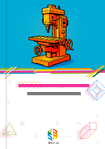
Milling industry machinery market in Italy
2026-03-30
Milling industry machinery market in Romania
2026-03-30

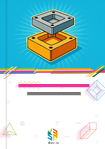
Moulds and moulding boxes market in Germany
2026-03-30
Why Choose Us?
Only Verified Data
No Hidden Costs or Separate Fees
Smarter Subscription Pricing
Contact Our Team
Submit your inquiry using the form below — our team will get back to you within 24 hours.