World coffee crop forecast to reach record 190 million bags
Global coffee production is forecast to reach a record 190 million bags in the new campaign beginning in October, Agence Ecofin reports. A crop of that size could improve availability across the supply chain, although its effect on prices will depend on origin-level output, quality and the pace of deliveries.
Global crop forecast sets a new record
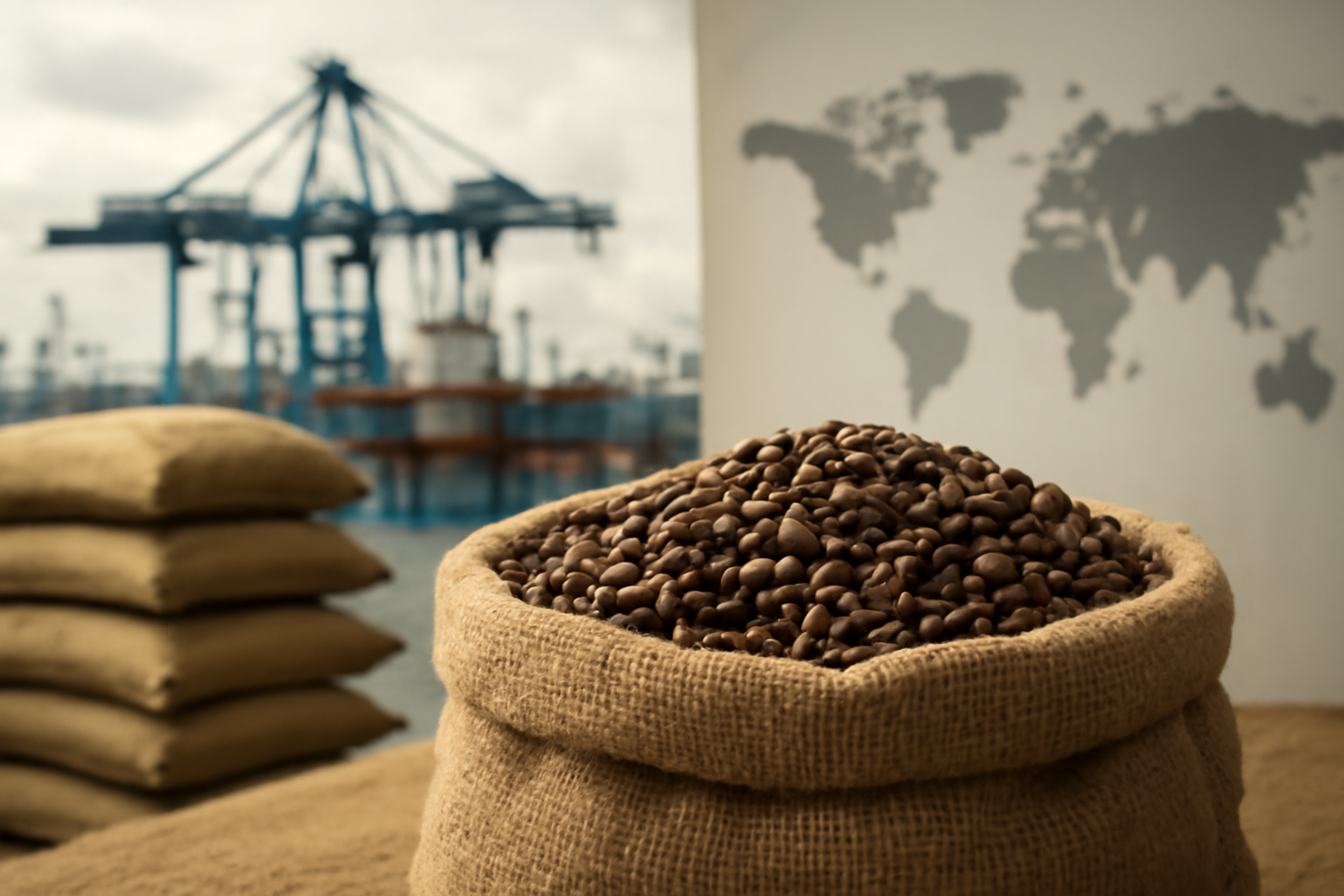
World coffee production is heading for a record harvest of 190 million bags in the new campaign scheduled to begin in October, according to Agence Ecofin. The forecast is significant for a commodity consumed across mature and emerging markets and supported by an extensive chain of growers, processors, exporters, roasters and retailers.
Agence Ecofin describes coffee as the world’s third most-consumed beverage after water and tea. That scale of consumption means changes in crop availability can affect commercial decisions throughout the sector, from purchasing at origin to inventory management and roasting schedules.
The available forecast does not provide a country breakdown, distinguish between arabica and robusta, or specify the standard bag weight used in the estimate. It also does not compare the projected crop numerically with the preceding campaign. Those details will be important when companies assess how much of the headline record can reach particular market segments.
More supply could ease procurement pressure
A harvest of 190 million bags would increase the volume potentially available to processors and traders during the campaign. For buyers, a larger crop generally offers more flexibility in sourcing and may reduce the risk created by dependence on a limited number of origins. Exporters and storage operators, meanwhile, must prepare for the movement, financing and handling of a potentially record volume.
The production forecast does not automatically translate into the same increase in exportable supply. Domestic consumption, crop quality, stocks, processing capacity and delivery timing determine how much coffee enters international commercial channels. Weather during harvesting and logistics after the crop is collected can also influence whether projected production becomes available to buyers on schedule.
For roasters, the composition of the harvest matters alongside its total size. Different origins and coffee varieties are not fully interchangeable in established blends. A global record can therefore coexist with tighter availability in a specific grade, origin or quality category.
Price impact depends on execution
The forecast points toward a more comfortable global supply outlook, but the source material provides no price projection. Market participants will need to compare the 190 million-bag estimate with demand, existing inventories and subsequent revisions to production. A large headline crop would exert the greatest pressure on prices if it is harvested successfully and reaches commercial markets without major delays.
Producers face a different calculation. Higher output can raise the volume available for sale, but broader availability may also strengthen buyers’ negotiating position. The effect on farm revenue will depend on yields, production costs, quality premiums and the prices secured during the campaign.
The October opening of the new campaign makes upcoming origin reports central to purchasing and risk decisions. Confirmation of production by country, coffee type and quality will show whether the record forecast represents broadly improved supply or exceptional growth concentrated in particular producing regions.
Supply chains prepare for higher volumes
Processors, exporters and importers will have to align capacity and working capital with the expected crop. Record production can require greater use of warehouses, transport and processing facilities before it produces any benefit for downstream buyers.
For now, the 190 million-bag figure provides a strong direction for the global balance but not a complete trading map. The industry’s focus will shift from the forecast itself to harvest execution, the share that becomes exportable and the speed at which coffee moves from producing regions into consuming markets.