Wonderplant plans €130 million hydroponic tomato complex in Ptolemaida
Wonderplant plans to invest €130 million in a hydroponic table-tomato complex in Ptolemaida, replicating its production model in Drama. The two facilities are expected to supply about 12% of Greek consumption and reduce reliance on annual imports of 130,000 tonnes.
Wonderplant takes its hydroponic model to northern Greece
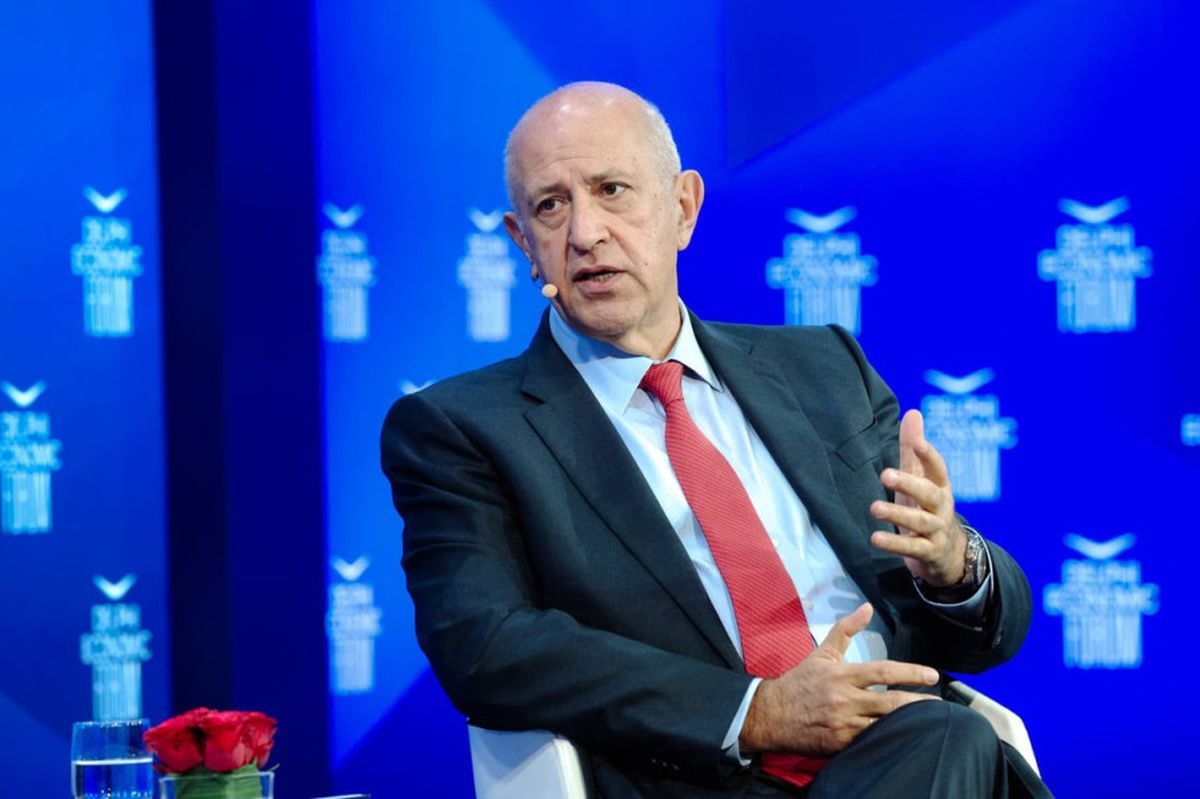
Wonderplant, controlled by Greek businessman and SEV chairman Spyros Theodoropoulos, plans a €130 million investment in Ptolemaida to produce table tomatoes using large-scale hydroponic cultivation. The project will replicate the model developed at the company’s existing operation in Petrousa, in the Drama region of northern Greece.
Sofokleousin reports that the initial output from Ptolemaida is intended to cover approximately 6% of total domestic table-tomato consumption, with a corresponding reduction in imports. Euro2day describes the new project as the next stage of a strategy built on Wonderplant’s €178 million investment in Drama. The reports therefore distinguish between the capital already committed to the established Drama operation and the planned €130 million development in Ptolemaida.
Domestic supply remains below consumption
Greece has favorable growing conditions and substantial industrial-tomato production, but domestic supply of table tomatoes remains insufficient. According to Sofokleousin, the country imports 130,000 tonnes annually at a cost of €180 million. The Ptolemaida complex is designed to replace part of that volume rather than serve primarily as an export-oriented facility.
Wonderplant’s Drama site began with 100 stremmas of greenhouse area and expanded in stages to 300 stremmas. It currently produces 22,000 tonnes of table tomatoes a year and accounts for 6.3% of Greek consumption. Once the Ptolemaida investment is operating, the company expects its combined contribution to reach about 12%, effectively doubling its current share of the national market.
Land efficiency supports large-scale expansion
Theodoropoulos said the hydroponic system requires 94% less land for each tonne of output and does not depend on fertile agricultural acreage. Wonderplant uses barren, non-cultivable land, allowing greenhouse capacity to expand without taking productive fields away from other crops. This feature is particularly relevant to a project seeking consistent, high-volume output from a concentrated site.
The Drama unit also provides an indication of the employment footprint that intensive greenhouse production can create. It has 439 full-time employees, 68% of whom are women. No employment figure or production start date for Ptolemaida was given in the available reports.
Imports face a larger domestic competitor
If the new facility reaches its stated market share, Wonderplant will become a larger supplier to Greek retailers and distributors while importers face greater competition from year-round domestic production. The project will not eliminate Greece’s table-tomato deficit on its own: a combined share of about 12% leaves most national consumption supplied by other domestic growers and imports. It nevertheless represents a measurable substitution of imported volume in a market currently spending €180 million a year on foreign tomatoes.
For Greek producers, the expansion demonstrates the scale that controlled-environment agriculture can achieve on land unsuitable for conventional farming. For traders and importers, the commercial effect will depend on how consistently the two facilities supply the market and which imported volumes they replace. The central test is whether Wonderplant can reproduce Drama’s output performance in Ptolemaida while maintaining the cost and quality needed to compete with established suppliers.