West Azerbaijan apple growers face export uncertainty as output rises
West Azerbaijan expects apple production to increase by 20%–30%, but exporters say they have lost access to India, their largest market, amid high transport costs and maritime logistics problems. Cold storage, processing plants and cooperative purchases could absorb part of the province’s crop of more than 1.3 million tonnes.
Higher harvest meets a narrower export market
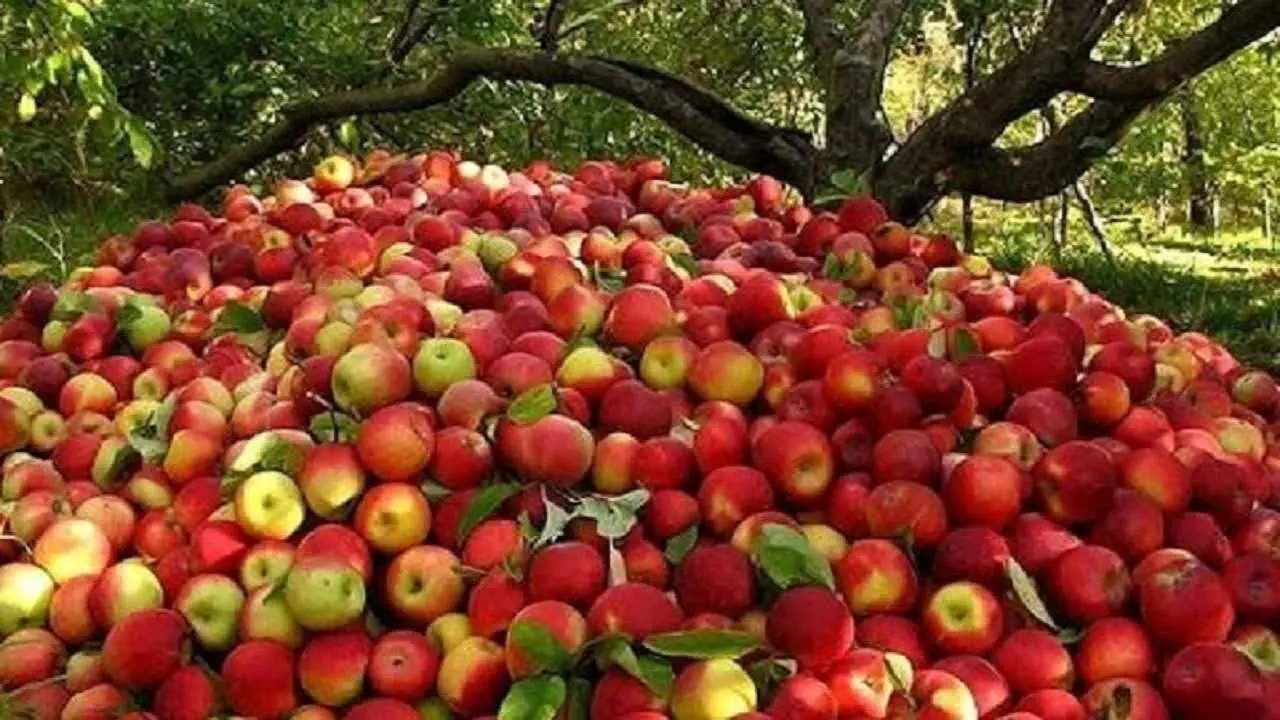
Apple harvesting has begun in Iran’s West Azerbaijan province with production expected to increase by 20%–30%, but growers face uncertainty over where and at what price they can sell the crop. The province produces about 30% of Iran’s apples and ranks first nationally, making its marketing difficulties significant for growers, packing businesses, processors and traders across the country.
ILNA reported that India, previously the largest export market for West Azerbaijan apples and particularly its red varieties, has become inaccessible amid conditions in Iran and problems with maritime transport. Khaled Jangju, the provincial customs supervisor, said only 21,000 tonnes of apples from the previous year’s production were exported. He warned that higher transport costs could continue to impede shipments during the current season.
Jafar Nikzad, a member of the Iran Chamber of Commerce’s agriculture commission and head of West Azerbaijan’s agricultural products exporters’ union, said negotiations were under way to find new markets. He cautioned that a new destination would not remove the logistics constraint because rising freight costs could still make exports difficult. A significant share of Iran’s stone-fruit exports had also gone to India, but those shipments have stopped under current conditions, he told ILNA.
Currency rules add to exporters’ constraints
Exporters are also encountering difficulties with foreign-currency repatriation, currency allocation, import-order registration and poor coordination among government systems. Nikzad called for agricultural exporters to receive a full exemption from currency-repatriation obligations, or for foreign-currency proceeds to be purchased at a negotiated rate with a reasonable difference from the prevailing rate.
A previous central-bank arrangement allowed exporters to offer their proceeds to designated banks. According to Nikzad, the designation of five banks was followed by a widening gap between their purchase rates and the current market rate, limiting exporters’ ability to use the mechanism. He said weak data exchange among the central bank, customs, the agriculture and industry ministries and the Trade Promotion Organization had left businesses moving unresolved cases from one institution to another.
The restrictions also affect the other side of the fruit trade. Exporters that registered orders to import bananas and other tropical fruit are currently unable to complete those purchases, ILNA reported. Nikzad requested permission to amend registrations and additional time to meet the associated obligations.
Storage and processing offer a buffer
West Azerbaijan is producing more than 1.3 million tonnes of apples, while its cold stores have capacity exceeding 1.3 million tonnes. Mohammadreza Asghari, head of the provincial agriculture department, urged growers to release fruit gradually rather than send the harvest to market at once, which could create a surplus, depress prices and increase losses. He said this year’s crop was of suitable quality for regional markets, provided fruit is harvested on time, post-harvest losses are reduced and supply is managed.
The province also has concentrate factories with capacity of 1.9 million tonnes. These plants can absorb lower-quality apples, limit waste and reduce pressure on the fresh market. Meanwhile, 73 industrial-apple purchasing centers are ready to take fruit if prices weaken.
The rural cooperative network has already purchased more than 3,600 tonnes of apples from growers for 65 billion tomans under negotiated-price arrangements. Its provincial director, Sajjad Hesami, said purchasing, storage, grading, packaging, processing and marketing must be coordinated with processing industries. These measures provide a domestic buffer, but with production rising and India unavailable, their effectiveness will depend on whether fruit can be stored, processed or redirected before peak harvest volumes overwhelm the market.