West Asia Conflict Slows India's Rice Exports to 2.17% Growth as Domestic Prices Jump Up to 25%
India's rice exports rose just 2.17 per cent year-on-year to $4.81 billion in April-August of fiscal 2026-27 as the West Asia conflict disrupted shipping and lifted freight costs. Domestic basmati has climbed toward ₹100 per kilo and non-basmati prices are up as much as 25 per cent. Traders expect no meaningful correction before the kharif crop arrives in October-November.
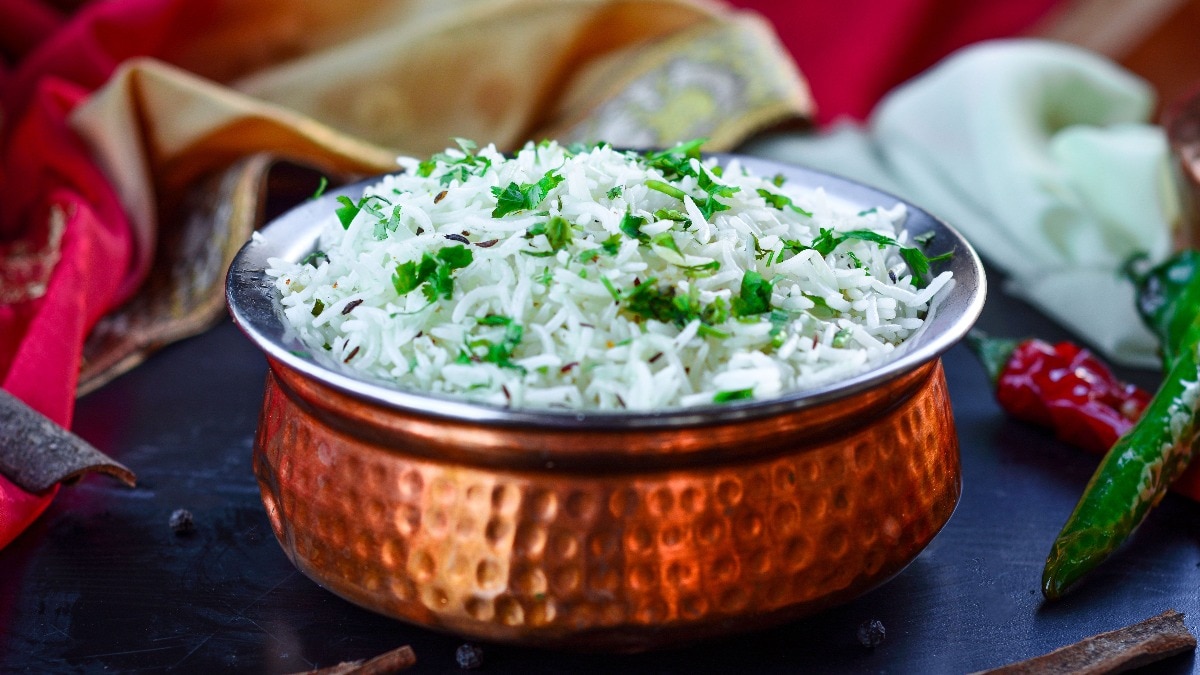
India's rice exports have nearly stalled in the opening months of fiscal 2026-27. Shipments rose 2.17 per cent year-on-year to $4.81 billion between April and August, as the continuing conflict in West Asia disrupted shipping routes and pushed freight costs higher. At the same time, domestic prices for both basmati and non-basmati rice have risen by up to 25 per cent, tightening household budgets and reshaping the economics of export contracts.
Export growth stalls as freight and payments tighten
The slowdown follows a record year. In fiscal 2025-26 India shipped 6.52 million tonnes of basmati rice to 154 countries, according to figures cited by Aaj Tak. Saudi Arabia remains the single largest buyer of Indian rice, and demand from across West Asia has continued to flow in without interruption.
The constraint is logistical rather than commercial. Payment and shipping difficulties in the Gulf region have slowed the pace at which consignments can be dispatched. Demand has not fallen away as a result; instead, unfulfilled orders have accumulated, leaving exporters with a backlog that cannot be cleared until routes and settlement channels normalise.
Domestic prices approach ₹100 a kilo
Price pressure is being felt across both segments of the market. Citing a report by The Economic Times, Aaj Tak said basmati rice prices in the first quarter of fiscal 2026-27 were 15 to 20 per cent higher than a year earlier, while non-basmati varieties rose 20 to 25 per cent. Other reports of the same data place the basmati increase at around 20 per cent and the non-basmati increase at 25 per cent.
In absolute terms, basmati reached roughly ₹100 per kilogram in the first quarter, against about ₹85 per kilogram in the same period a year earlier. Sona Masuri, a widely traded non-basmati variety, has moved from ₹51-52 per kilogram last year to ₹63-64 per kilogram. The driver on the demand side is the US-Iran war, which has prompted several countries to buy additional rice to secure their food requirements, lifting global demand.
Procurement and weak rains tighten the domestic market
Supply-side factors are compounding the effect. Weak rainfall in southern India has put additional pressure on the domestic market, with Andhra Pradesh, Karnataka and Telangana all recording below-normal precipitation that has kept prices elevated.
Government buying is also absorbing volume. B V Krishna Rao, president of the Rice Exporters Association, said procurement for the public distribution system has contributed to the increase in rice prices. In Telangana, the state government is supplying non-basmati rice through the public distribution system, removing further tonnage from the open market at a time when new supply is limited.
Relief pinned to the kharif crop
Traders and exporters say prices are likely to remain firm until the new kharif crop reaches the market in October-November. A substantial decline is seen as possible only once that harvest arrives and the rainfall picture becomes clearer.
For the intervening weeks, the market is set to run with demand ahead of available supply. Gulf buyers continue to stockpile, domestic procurement continues to draw down open-market volumes, and freight and payment frictions continue to slow dispatch. The combination leaves Indian exporters holding firm order books while converting them into shipments more slowly than in previous years.
