Weak Spanish grape harvest pushes up wine prices and fuels calls for fair contracts
Spain’s grape harvest is expected to produce just over 35 million hectolitres of wine, compared with more than 40 million in a typical season. Growers say rising wine prices must reach farm-gate grape prices as production costs approach €0.60 per kilogram.
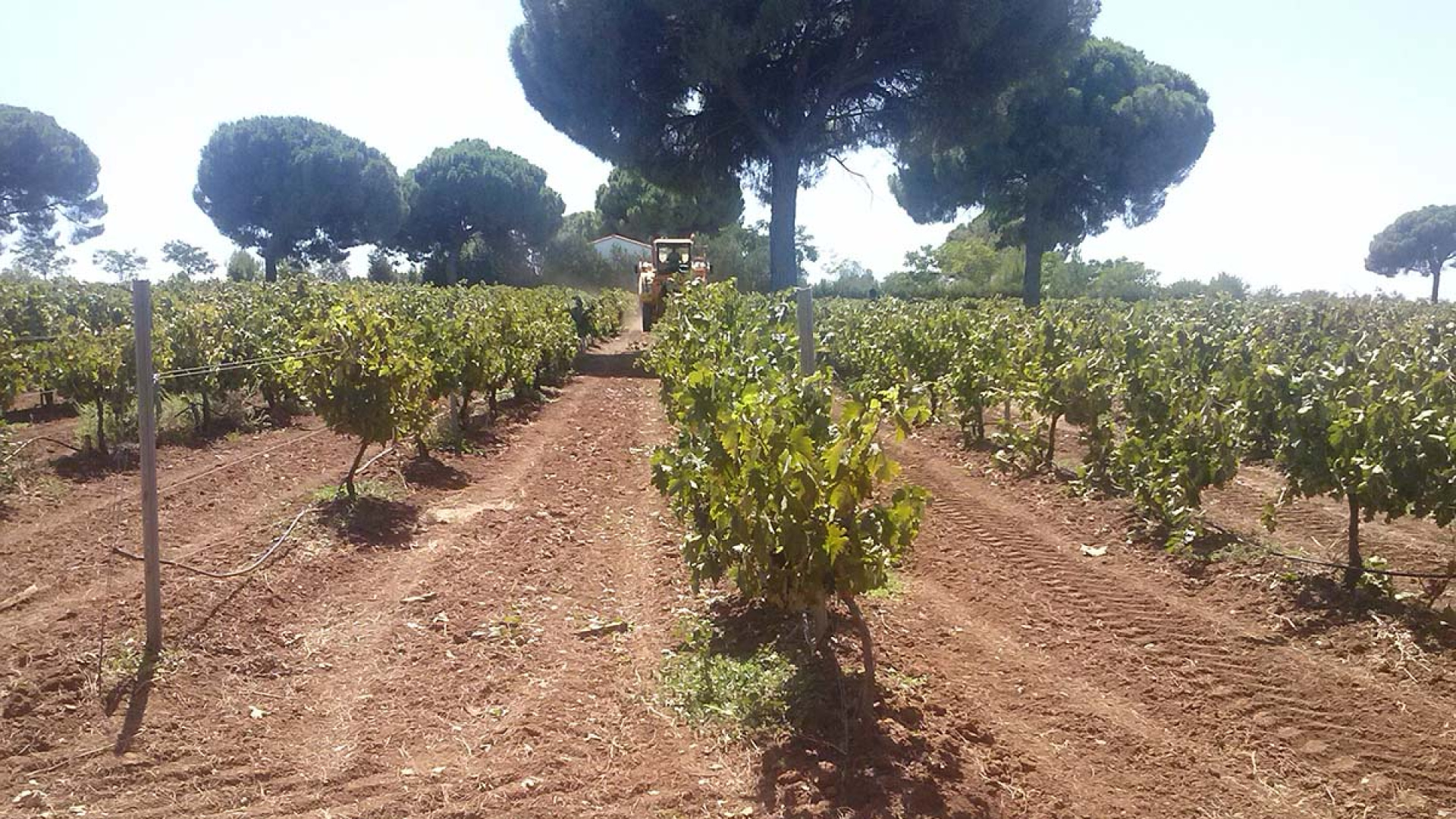
Spanish output falls below a typical season
Spain is approaching the end of the grape harvest with one of its smallest crops of the past decade, tightening wine availability and strengthening growers’ demands for improved contract terms. The Community of Farmers and Livestock Breeders of Almendralejo, known as CLYGAL, told COPE that national production would amount to little more than 35 million hectolitres, compared with more than 40 million hectolitres in a typical season.
The estimate is substantially below initial expectations. According to CLYGAL, the harvest has registered an overall increase of only 7%, while fruit quality has been excellent. The organisation did not provide a regional or varietal breakdown for that increase, but said the final national volume remained unusually low.
Lower grape availability is already contributing to higher wine prices in the market, CLYGAL said. The organisation argues that this increase must be reflected in the prices paid to farmers rather than being retained entirely farther along the supply chain. That issue is particularly important as wineries and growers negotiate settlements at the end of the harvest.
Production costs sharpen the contract dispute
CLYGAL estimates grape-growing costs at around €0.60 per kilogram. It has called on the processing industry to revise its offers so that growers can earn a viable return and avoid selling below cost. The organisation linked that demand to Spain’s Food Chain Law, which prohibits sales at a loss.
The smaller harvest gives producers a stronger supply argument in price negotiations, but it does not automatically guarantee higher farm-gate returns. Contract timing, grape variety, quality specifications and the commercial position of individual wineries can affect how movements in bulk or bottled wine prices pass back to vineyards. CLYGAL’s intervention is therefore focused on the gap between the market value of wine and the amount received by primary producers.
The group described fair pricing as a matter of legal survival and dignity for farmers. It warned that vineyards would be uprooted if cultivation did not generate adequate returns, with consequences for employment and economic activity in Tierra de Barros, a major wine-producing area in Extremadura.
French losses add pressure to regional supply
Spain’s limited crop coincides with an even steeper contraction in producing regions of France, where output has fallen by 50%, according to CLYGAL. Reduced availability in two of Europe’s major wine-producing countries could reinforce price pressure, although the source did not provide figures for inventories, consumption, exports or specific wine categories.
For wineries and merchants, the combination of a short Spanish crop and weaker French production raises the importance of procurement decisions and existing stocks. Producers with contracted grapes or available wine inventories may be better placed than buyers exposed to spot-market prices. Growers, meanwhile, will seek to use the reduced supply and excellent reported fruit quality to secure prices that cover their costs.
Beyond the current harvest, CLYGAL said vineyards in Tierra de Barros face a decline driven by prolonged drought, land abandonment and the lack of generational renewal. These pressures reduce the sector’s ability to rebuild production quickly after a weak season and increase the risk that unprofitable vineyards will leave production permanently.
The association called on Spain’s central government and the regional administration to monitor the market and intervene if necessary to protect growers’ economic viability. The immediate test will be whether higher wine prices translate into grape payments above the estimated €0.60-per-kilogram production cost. The longer-term issue is whether those returns are sufficient to prevent further vineyard abandonment in one of Spain’s established wine regions.