Weak Monsoon and Higher Import Costs Push Indian Pigeon-Pea Prices Up
Indian pigeon-pea prices are rising as rainfall deficits threaten crops in Maharashtra and Karnataka, which account for more than two-thirds of national production. A weaker rupee is also increasing the likely cost of imports needed to cover the domestic supply gap.
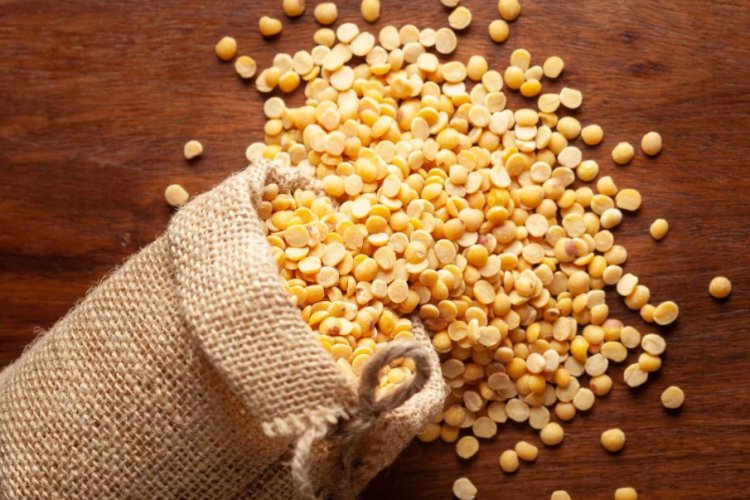
Retail and wholesale prices strengthen
Indian pigeon-pea, or tur, prices have risen as weak monsoon rainfall raises concerns about the crop in the country’s leading producing states. Rural Voice, citing Department of Consumer Affairs data, reported that the all-India average retail price reached 124.04 rupees per kilogram on 9 September 2026. That compared with 121.96 rupees one month earlier and 116.23 rupees a year earlier.
Average wholesale prices rose to 11,471.39 rupees per quintal on 9 September, from 11,248.27 rupees a month earlier and 10,645.36 rupees a year earlier. This represented increases of 2% month on month and 7.75% year on year. Rural Voice said physical markets had recorded a sharper rise of around 600-800 rupees per quintal during the past month, while retail prices exceeded 180 rupees per kilogram in many locations.
Rainfall deficits threaten the main producing states
The price increase has occurred despite a modest expansion in planted area. Data available through the UPAJ portal showed that pigeon-pea planting reached 4.566 million hectares by 4 September, up 1.61% from 4.493 million hectares at the same point in 2025-26. The third advance estimate placed 2025-26 production at 3.592 million tonnes, close to the 3.624 million tonnes harvested in 2024-25.
Crop performance in Maharashtra and Karnataka will be decisive because the two states together account for more than two-thirds of Indian output. According to the 2025-26 Economic Survey, Maharashtra produces 39.44% of the national total and Karnataka 27.78%. India Meteorological Department data showed that rainfall in September to date was 68% below normal in Maharashtra and 77% below normal in Karnataka. Across the full monsoon season, their respective deficits were 16% and 27%.
Imports remain essential to balancing supply
Early estimates cited by Rural Voice put this year’s Indian production at 3.4 million-3.6 million tonnes, against annual consumption of 4.5 million-4.7 million tonnes. The country could therefore need about 1.3 million tonnes of pigeon-pea imports to meet domestic demand. India imported approximately 1.48 million tonnes in 2025-26.
Mozambique, Myanmar and Tanzania are India’s principal foreign suppliers. Their shipments will remain important for millers and consumers if rainfall damage reduces yields, but currency movements are making imported material more expensive. The US dollar was worth about 88 rupees in September 2025 and has since risen to approximately 95 rupees, increasing the landed cost of pigeon pea even before any further change in international prices or freight.
Market direction depends on crop and mill buying
The larger planted area provides some protection, but it does not guarantee a larger harvest. The scale and timing of rainfall in Maharashtra and Karnataka will determine pod development and yields, while the eventual supply available to mills will influence wholesale and retail prices. The gap between official average price movements and increases reported in physical markets also suggests that conditions differ significantly between regions.
The next direction for tur prices will depend on the crop’s actual condition, the availability and landed cost of imports, and purchasing by processing mills. For producers, a smaller crop could support farm-gate prices. For millers, traders and consumers, however, reduced domestic availability combined with a weaker rupee would increase procurement costs and keep retail prices under pressure.