Weak German Apple Harvest Tightens Juice Supply as Orange Costs Rise
Germany’s apple harvest is expected to fall about 18% after last year’s record crop, raising the prospect of higher fresh-fruit prices. Empty European concentrate stocks, stronger demand for apple juice and the insolvency of processor STUTE are also constraining juice supplies.
Low retail prices mask a smaller crop
German apple consumers are still benefiting from ample stocks left from the 2025 harvest, but the market is moving toward tighter supply. According to agricultural market information company AMI, supermarket shoppers paid an average of €2.20 per kilogram in the third week of August, 10% less than in the same period a year earlier.
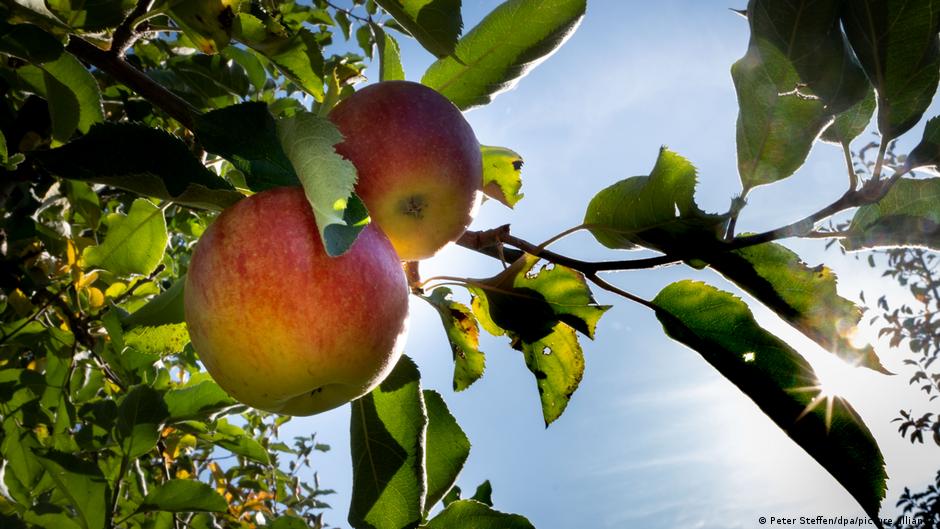
The current price weakness reflects continued sales from the previous record harvest rather than a strong new crop. Germany’s Federal Statistical Office initially estimates that this year’s apple harvest will be about 18% smaller than last year’s. Frost was followed by drought and heat, while apple trees also tend to produce less fruit after an exceptionally heavy season, a biological cycle known as alternate bearing.
For growers, the low prices arrive alongside high energy and wage costs. Niklas Echthof, a young producer in the Altes Land region, told NDR that cheap imports had flooded the market while domestic stores remained full. Fruit from Turkey, Greece and even New Zealand can sometimes cost half as much, according to the report.
Orange prices redirect demand to apple juice
The pressure is more acute in processed fruit. The Association of the German Fruit Juice Industry, or VdF, says consumers have increasingly switched from orange juice to apple juice after poor orange harvests sharply raised orange prices. This has added demand to a market already contending with constrained raw-material availability.
Apple juice concentrate is also being used more heavily as a sweetener in other fruit drinks, especially when alternative fruits become expensive. DW reports that European stocks of apple juice concentrate are empty. A poor crop of processing apples in Poland has compounded the shortage; Poland has Europe’s largest apple-growing area and supplies 30% of the continent’s apples.
The fresh and processing markets therefore face different timing. Fresh apple prices remain low while old-crop stocks are available, but could rise markedly in the coming months as the smaller harvest reaches the market. Juice processors face more immediate pressure because concentrate inventories have already been depleted and demand has strengthened.
STUTE insolvency disrupts discount supply
Germany’s juice market has also lost a major supplier. Paderborn-based STUTE, a long-established producer of jams and large volumes of private-label fruit juice for discount retailers, became insolvent. Its disappearance has reduced processing capacity and intensified negotiations between retailers and alternative manufacturers.
With concentrate stocks empty and a major producer absent, other suppliers are seeking higher prices. Aldi, which was particularly affected by STUTE’s insolvency, has resisted those demands, according to DW. Apple juice shelves in many Aldi stores have consequently remained largely empty for weeks, while other discount chains are also offering limited supplies.
The combination of a crop decline, expensive competing juice inputs and lost processing capacity increases the likelihood of higher prices across both fresh apples and juice. Producers may gain some pricing support, but their competitiveness remains constrained by imports and domestic operating costs. For retailers and processors, securing concentrate and replacement capacity is now the immediate challenge.