War and Extreme Weather Push Farm Prices Toward Biggest Monthly Rise in Over a Decade
Agricultural prices are approaching their largest monthly increase in more than a decade as wars and unusual weather disrupt supplies, ISNA reports. The rise is intensifying concerns about food inflation and increasing uncertainty for producers, processors and commodity traders.
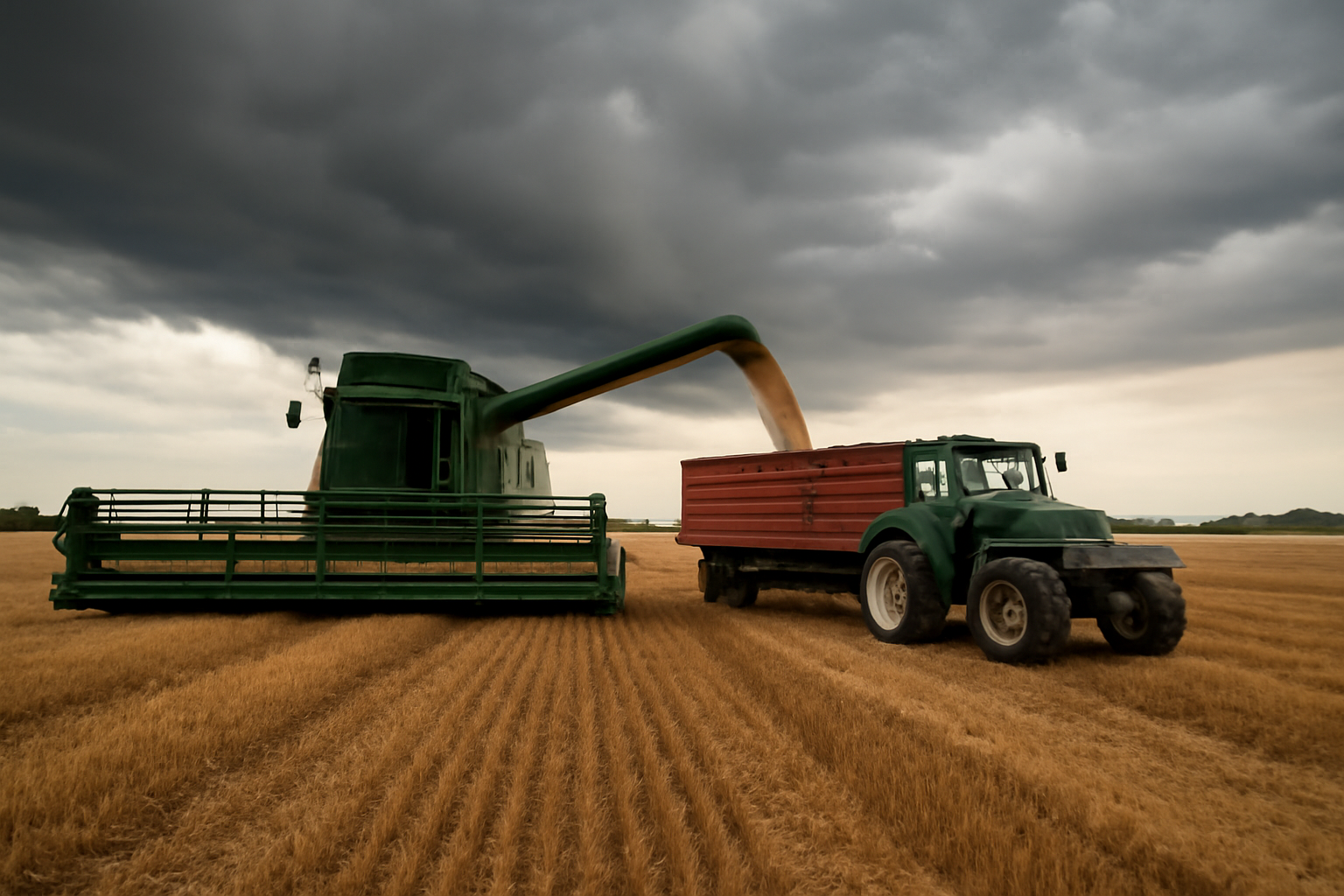
Agricultural prices head for a historic monthly gain
Global agricultural prices are approaching their largest monthly increase in more than a decade as wars and unusual weather patterns disrupt commodity supplies, according to ISNA. The scale of the prospective rise marks a sharp change for agricultural markets and is raising concerns about renewed pressure on food prices.
The available report does not identify a specific commodity index, percentage increase or group of crops responsible for the movement. It nevertheless points to two simultaneous sources of disruption: armed conflicts affecting the movement or availability of agricultural products, and extreme or unusual weather interfering with production and supply. Their combined impact is increasing uncertainty across markets that depend on predictable harvests and reliable delivery schedules.
Supply risk spreads through the food chain
For farmers and other primary producers, higher market prices do not automatically translate into higher earnings. Weather-related losses can reduce the volume available for sale, while conflict can impede access to inputs, storage, transport or buyers. Producers able to maintain output may benefit from stronger prices, but those directly exposed to disruption face the risk of lower production and less dependable market access.
Processors must manage the possibility that raw agricultural materials will become more expensive or harder to secure. Their choices include absorbing higher costs, reducing margins or passing part of the increase to customers. The balance will vary by product and market, but a broad monthly rise in agricultural prices increases the likelihood that cost pressure will move beyond farms and into food manufacturing and distribution.
Importers and exporters also face greater uncertainty. Supply disruptions can alter the availability and timing of cargoes, making procurement and sales planning more difficult. Traders must assess not only price direction but also whether contracted products can be produced and delivered as expected. Countries and companies that depend heavily on external supplies are especially exposed when several producing or transit regions encounter problems at the same time.
Food inflation returns to focus
The prospective price increase is renewing concern about food inflation. Agricultural commodity prices are only one component of retail food costs, which can also reflect processing, transport and distribution expenses. Even so, a sustained rise in farm prices can eventually affect the cost base of processors and retailers, particularly where buyers have limited scope to switch suppliers or substitute products.
The impact on consumers will depend on how long the disruption lasts and how much of the increase businesses pass through. A single monthly movement does not establish a lasting trend, but the possibility of the largest gain in more than a decade makes the current change significant for companies managing inventories, contracts and working capital.
Markets await clearer commodity data
Further assessment will require details on which commodities, producing regions and trade routes are driving the rise. Without a disclosed index or price breakdown, it is not possible to determine whether the increase is concentrated in a few markets or spread broadly across agriculture.
For industry participants, the immediate signal is a rise in supply risk rather than a clear forecast for every commodity. Producers, processors, importers and exporters will need to watch weather conditions, conflict-related interruptions and physical availability closely. The duration and geographical reach of those disruptions will determine whether the monthly surge remains temporary or develops into a more persistent source of food-price pressure.