Vietnam's wheat imports jump 29% in June to 507,000 tonnes
Vietnam imported 507,000 tonnes of wheat in June 2026 worth $140 million, up 29% in volume month on month, according to soha.vn citing customs data. First-half imports reached 4.88 million tonnes as feed demand climbed and the supplier mix shifted toward Canada.
June imports climb across volume and value
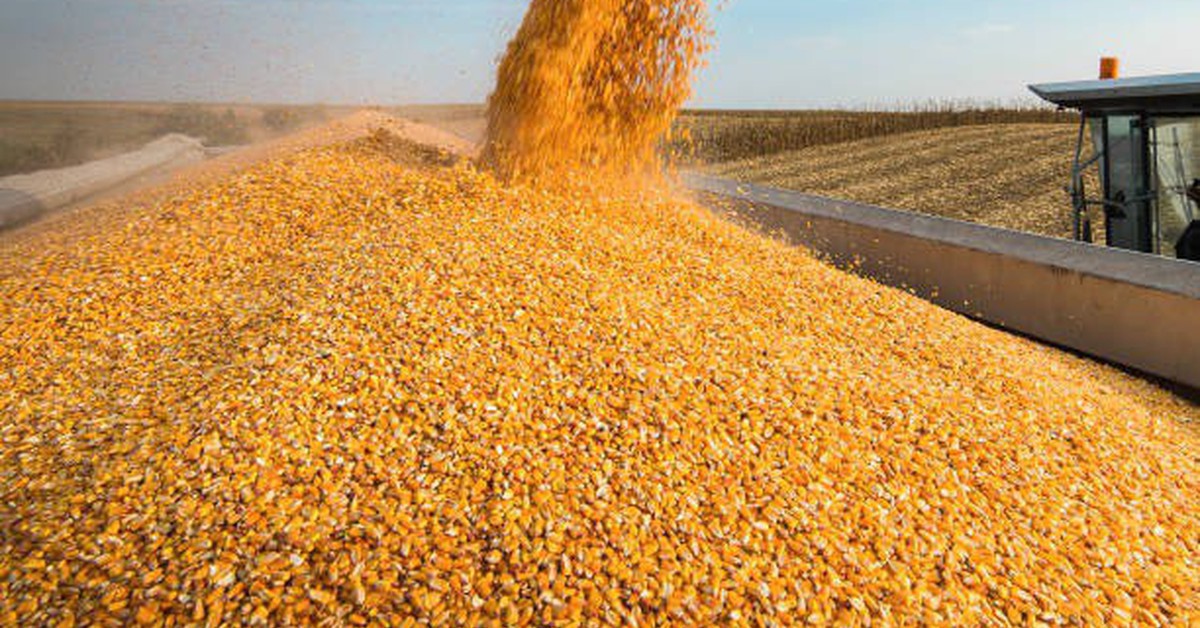
Vietnam imported 507,000 tonnes of wheat of all types in June 2026, worth $140 million, according to preliminary figures from the General Department of Customs cited by soha.vn. The volume rose 29% and the value 31.8% compared with the previous month, extending a rapid expansion in shipments through the first half of the year.
Over the first six months of 2026, wheat imports reached an estimated 4.88 million tonnes valued at $1.27 billion, up 60.2% in volume and 55.7% in value year on year. Vietnam grows almost no wheat commercially because its climate is unsuited to the crop, so the country relies on imports to supply both its milling and animal-feed industries.
Supplier mix shifts toward Canada
Through the end of May, Australia remained Vietnam's largest wheat supplier with more than 591,000 tonnes worth $163.8 million, soha.vn reported. Even so, shipments from Australia fell 8.8% in volume and 7.4% in value against the same period a year earlier. Brazil ranked second at 423,600 tonnes worth $108.7 million, a steep decline of 57.2% in volume and 57.3% in value.
Canada moved in the opposite direction. In the first five months of 2026 Vietnam bought 366,000 tonnes of Canadian wheat worth $102 million, up 92.2% in volume and 81% in value on the year, making it the fastest-growing origin.
Feed and processing demand drive the trend
According to importers cited by soha.vn, raw-material demand for the animal-feed and aquaculture sectors now approaches 30 million tonnes a year, with corn and wheat the main energy sources and soybean the key protein input. Demand from food processing — instant noodles, confectionery, cooking oil and soy milk — is also rising.
The USDA's latest report noted that global corn and soybean supplies in the 2025-2026 season remain high on large harvests in Brazil and the United States, keeping grain prices low and encouraging Vietnamese firms to import and build stocks. Domestic supply is limited: corn and soybean planting areas continue to shrink as farmers switch to higher-value crops.
Import dependence keeps costs exposed
The Vietnam Feed Association said imported raw materials account for a large share of feed production costs, with wheat almost entirely dependent on imports and domestic corn and soybean meeting only part of processing needs. That leaves livestock producers exposed whenever global crop prices or freight costs move.
Since late February, escalation in the Middle East conflict has raised concern that commodity and shipping costs could climb again, prompting many firms to accelerate imports and stockpile material for the final months of the year. Analysts quoted by soha.vn said Vietnam is unlikely to reduce its reliance on imported feed grains given constraints on land, yields and farming efficiency, meaning its livestock sector will stay heavily exposed to swings in global agricultural markets.