Vietnam’s tea exports to Malaysia rise as 2026 shipments target 6,000 tonnes
Vietnam exported 3,300 tonnes of tea to Malaysia worth about $2.5 million in the first half of 2026. Shipments are expected to exceed 6,000 tonnes for the full year as demand grows for green, black and processed tea.
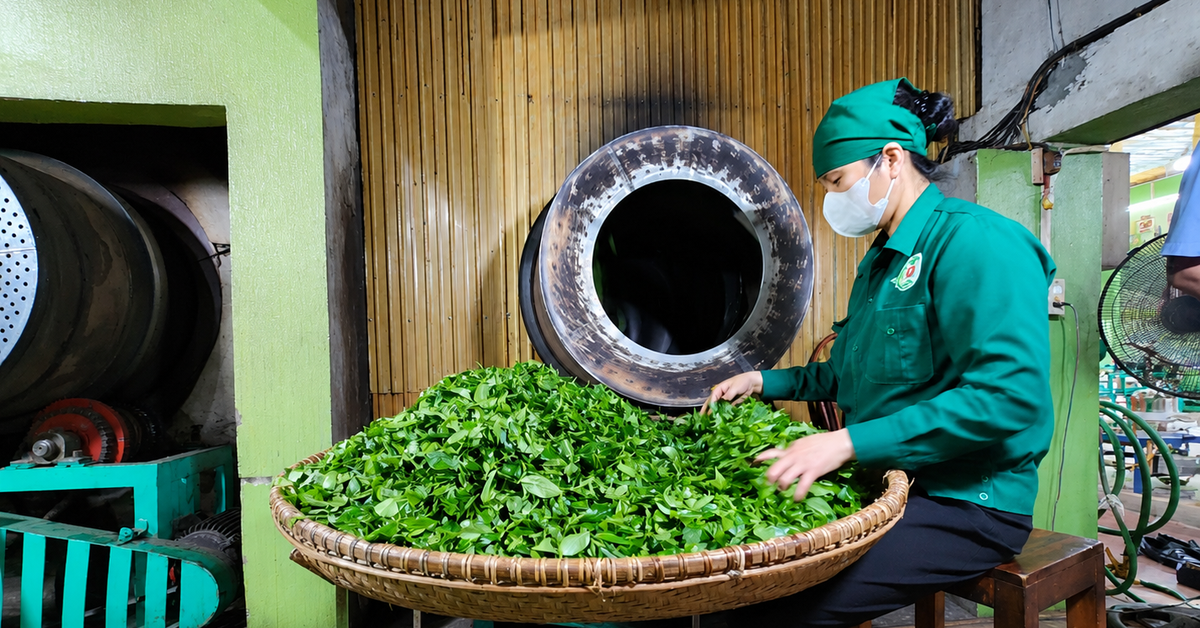
June shipments rise in volume and value
Vietnam exported 642 tonnes of tea to Malaysia in June 2026, generating $493,050, according to customs data reported by Soha. Compared with June 2025, shipment volume increased 12%, while export value rose 8.9%. The difference between those growth rates indicates that the average value per tonne was lower than a year earlier, even as Malaysian buyers purchased more Vietnamese tea.
Across the first six months of 2026, shipments reached 3,300 tonnes and were worth about $2.5 million. Volume was 5.7% higher than in the same period of 2025, while value increased 6.4%. At the current pace, Vietnamese tea exports to Malaysia are expected to exceed 6,000 tonnes for the full year, according to Soha.
Malaysia develops into a significant ASEAN outlet
Malaysia is among Vietnam’s 18 largest tea export markets. It is also one of the three principal ASEAN destinations for Vietnamese tea, alongside Indonesia and the Philippines. The latest increase in Malaysian purchases reinforces the country’s role as a growing regional outlet rather than one of Vietnam’s dominant global markets.
Vietnamese suppliers have opportunities across several categories. Green tea and black tea remain important products, while more deeply processed tea could allow exporters to capture additional value. Expansion will depend not only on shipment volumes but also on quality, food safety and clear product-origin information, which are becoming more influential in consumer purchasing decisions.
Large production base supports export growth
Vietnam ranks fifth globally in tea exports and seventh in tea production, Soha reported. Tea is grown in numerous provinces, particularly in the country’s midland and mountainous areas, where the crop supports the livelihoods of a large rural population. Vietnam has about 130,000 hectares under tea cultivation and produces roughly 1.02 million tonnes of fresh tea shoots annually, equivalent to approximately 196,000 tonnes of dried tea.
Vietnamese tea is sold in more than 70 countries and territories. The Vietnam Tea Association has linked recent improvements in yields and output to better plant varieties, cultivation techniques and production organization. That broad supply base gives exporters the capacity to serve expanding markets such as Malaysia, but it also increases the importance of consistent standards across farms, cooperatives and processors.
Processors face a value-added challenge
Some producers and cooperatives are moving toward safer and organic cultivation. Measures include reducing dependence on inorganic fertilizer, using composted manure and microbial organic fertilizer, and planting shade trees to improve plantation ecosystems. These practices are intended to curb pests, reduce chemical use and protect producers and consumers.
For the Malaysian market, the commercial challenge is to turn rising tonnage into stronger and more durable export value. Greater processing, traceability and food-safety controls could support higher-value products and improve incomes for growers. Vietnam has the land, production capacity and product range to increase its Malaysian presence, but competitiveness will increasingly depend on verified quality and the ability to supply products aligned with demand for safe and environmentally responsible production.