Vietnam targets Turkish market for coconut, dragon fruit, mango and durian
Vietnam sees significant room to expand tropical fruit exports to Turkey, particularly fresh coconut, dragon fruit, mango, durian and frozen products. Growth will depend on compliance with Turkish food rules, stronger cold-chain logistics and access to mainstream retail and hospitality buyers.
Vietnamese fruit remains a niche product
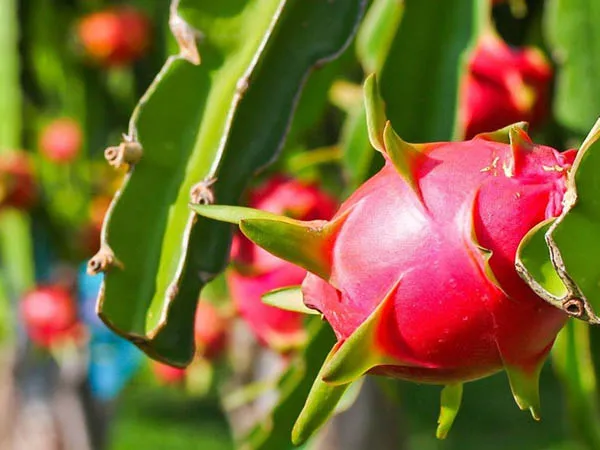
Vietnam has identified Turkey as a market with substantial untapped demand for tropical fruit, although its products currently have only a limited presence in the country. According to the Vietnam Trade Office in Turkey, fresh Vietnamese fruit is mainly found in selected premium supermarkets, Asian food stores and specialist importers serving expatriate communities in Istanbul and Ankara.
Vietnamese suppliers have yet to secure broad distribution through Turkey’s modern retail networks or major wholesale markets. ĐTTC reports that fresh coconut, dragon fruit, mango and durian are among the products considered to have strong development potential. Frozen cut fruit and individually quick frozen, or IQF, products could provide an additional route into the market.
Domestic production and logistics limit competitiveness
Turkey has a developed agricultural sector and ranks among the world’s major producers of fruit including grapes, apples, cherries and apricots. This domestic supply gives Turkish distributors and consumers ready access to established fruit categories, while Vietnamese exporters must create demand for products that are less familiar and generally travel much farther.
The distance between Vietnam and Turkey significantly increases logistics costs and shipping times. Maintaining quality over a long journey is especially difficult for products with relatively short storage lives, including mango, dragon fruit, rambutan and longan. Exporters therefore need reliable cold treatment, temperature-controlled storage, suitable packaging and logistics arrangements capable of protecting fruit until it reaches buyers.
Regulation creates another barrier. Turkey applies strict requirements covering plant quarantine, food safety, traceability and pesticide-residue limits. Vietnam and Turkey do not have a free trade agreement, leaving Vietnamese fruit without the tariff advantages that could improve its position against competing suppliers. Compliance costs and import duties must consequently be absorbed across a supply chain that is already burdened by long-distance transport.
Hospitality demand offers an opening
The Vietnam Trade Office nevertheless sees opportunities in categories where Turkey has no production advantage or only limited domestic output. Fresh coconut, dragon fruit, mango and durian fit this profile, while frozen and IQF fruit can reduce some of the shelf-life risks associated with fresh shipments. Such products can be directed toward food-service companies as well as specialist and mainstream retailers.
Demand for tropical fruit is gradually increasing in major urban markets such as Istanbul, Ankara, Izmir and Antalya. The expansion of tourism, hotels, restaurants and coffee chains, together with consumer interest in healthy food, is supporting this trend. These channels may provide Vietnamese suppliers with an initial customer base before wider supermarket and wholesale-market distribution becomes commercially viable.
To expand sales, the Trade Office advises Vietnamese companies to meet Turkish phytosanitary and food-safety rules in full, establish traceable supply chains and control pesticide residues. It also calls for greater investment in post-harvest technology, including cold treatment, preservation, packaging and logistics. Building recognizable fruit brands, rather than exporting only as an undifferentiated raw commodity, will be important for securing shelf space and supporting margins in a market where transport and compliance costs are high.