Vietnam imported nearly 217,400 tonnes of poultry meat in seven months at $1.02 per kilogram
Customs data show Vietnam brought in 595,700 tonnes of meat and meat products worth more than $1.7 billion in seven months, with poultry accounting for nearly 217,400 tonnes at an average $1.02 per kilogram. Import volumes rose more than 40% while the average price fell almost 29%. Domestic farmers face losses of at least 30,000 dong per bird as feed costs climb above 70% of production cost.
Vietnam imported 595,700 tonnes of meat and meat products worth more than $1.7 billion in the first seven months of the year, an increase of 11.4% in volume and 32.4% in value against the same period a year earlier, according to Customs Department data reported by VnExpress and Dan Tri.
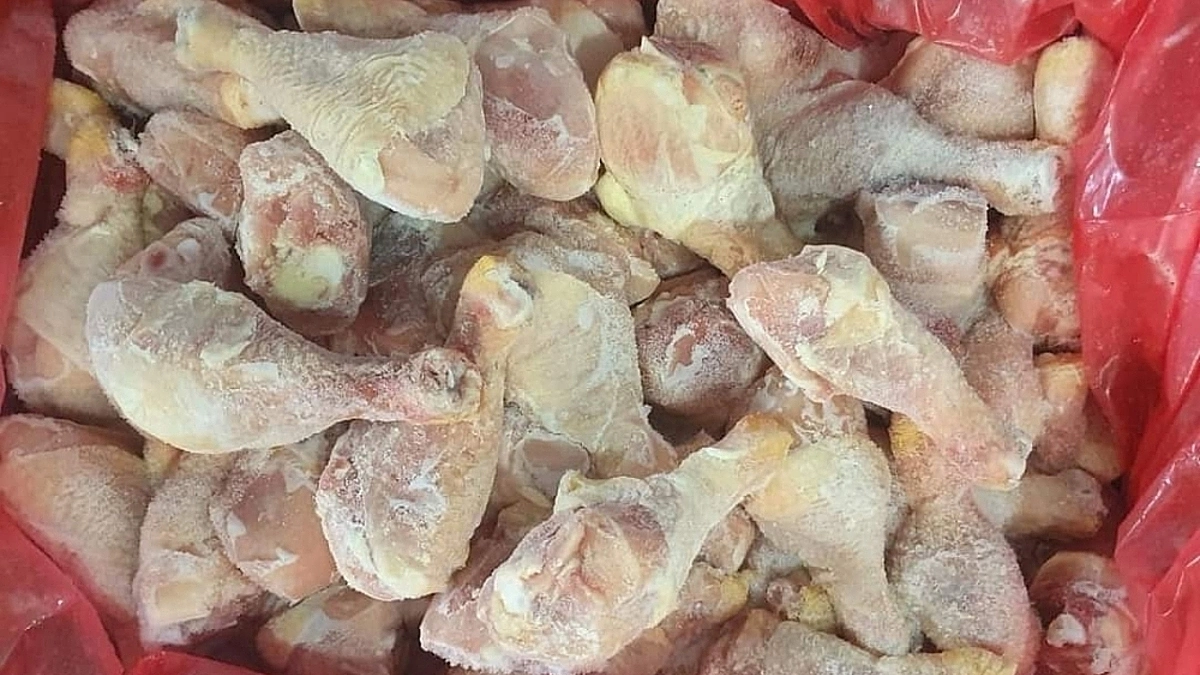
Poultry meat and edible offal made up 36.5% of that volume, or nearly 217,400 tonnes, valued at $221.1 million and equal to 13% of the total meat import bill. Chicken accounted for more than 90% of the poultry category, arriving almost entirely as frozen, portioned product. The Vietnam Poultry Association (VPA) puts frozen leg quarters at about 71.5% of all chicken imports. The average import price was roughly $1.02 per kilogram, or 26,500 dong, down almost 29% year on year while volumes rose more than 40%.
Why the landed price is so low
Nguyen Quy Khiem, vice chairman and secretary general of the VPA, attributes the price to product mix. Shipments to Vietnam consist mainly of thighs, necks, wings and edible offal rather than the highest-value cuts. In European and American markets consumers favour breast meat, which Khiem says sells for around four times the price of the remaining parts, allowing processors to recover most of their costs at home and export the balance cheaply. Offal such as intestines and gizzards has little demand in those markets, so exporting it generates revenue and avoids disposal costs.
Cheap local feed grain and large-scale industrial production with high levels of technology also matter. Khiem estimates the cost of producing chicken in countries such as the United States and Brazil at 16,000-20,000 dong per kilogram, well below Vietnamese levels. The effect is visible at retail. Surveys cited by VnExpress in Ho Chi Minh City and by Vnbusiness in Hanoi found:
- imported frozen chicken thighs at 45,000-55,000 dong per kilogram;
- imported frozen intestines and gizzards at 30,000-35,000 dong;
- domestic industrial chicken wings, thighs and breast at 70,000-100,000 dong;
- common vegetables at 45,000-80,000 dong.
Imported thighs therefore undercut comparable domestic cuts by 15,000-55,000 dong per kilogram, or 21-55%. Nguyen Xuan Duong, chairman of the Vietnam Animal Husbandry Association, puts the discount against fresh farm-gate chicken at 30-40%.
Costs at home are moving the other way
Nguyen Van Ngoc, vice chairman of the Southeast Region Livestock Association, says feed has risen from 60-65% of production cost to more than 70%. Dan Tri reports that since the start of September several large feed manufacturers have raised prices, commonly by 200 dong per kilogram and by as much as 1,500 dong on some products, the sixth increase this year for some companies. Vnbusiness reports at least four increases since January with a cumulative rise of about 1,500 dong per kilogram, alongside higher electricity, fuel and labour costs.
Ngoc calculates that a pig consumes 260-270 kg of feed over its life, so an increase of 1,500 dong per kilogram adds 390,000-405,000 dong to the cost of a 100 kg animal. For colored-feather chickens, day-old chicks cost 15,000 dong each and the total cost of a 2.4 kg bird is close to 150,000 dong, against a live price of 50,000-55,000 dong per kilogram, a loss of at least 30,000 dong per bird. Some farms mix their own feed, cutting the cost from about 14,000 dong per kilogram to 11,700-12,000 dong, but maize, fishmeal and soybean meal are still imported.
Regional price split and sales channels
Poultry numbers expanded sharply from late 2025 into early 2026, leaving broad oversupply, with short-cycle white-feather broilers hit hardest. Ministry of Agriculture and Environment data for August show white-feather prices up 2,000 dong to 37,000 dong per kilogram in the north but down 7,000 to 25,000 in the centre and down 8,000 to 25,000 in the south; the VPA earlier recorded southern prices at 22,000-24,000 dong, below production cost. Colored-feather birds rose 17,000 dong to 64,000 in the north, while falling 3,000 to 44,000 in the centre and 2,300 to 46,000 in the south.
Imported frozen parts dominate cost-sensitive channels: canteens, industrial catering, eateries and fast-food chains, including in the livestock hub of Dong Nai. A trader at Hanoi's Tay Mo market told Vnbusiness that imported frozen chicken is 40-50% cheaper than domestic birds and sells almost exclusively to commercial processors. Duong is calling for regulation of herd size, tighter quota enforcement and technical standards on imported meat, plus deep processing and disease-free zones to open official exports to Halal markets, Japan and Southeast Asia. The Ministry expects demand to recover in the fourth quarter of 2026 ahead of the year-end and Tet season.