Vietnam’s passion-fruit exports exceed $116 million as EU demand grows
Vietnam earned more than $116 million from passion-fruit exports to the EU in the first seven months of 2026. The fruit remained a leading contributor to Vietnamese fruit and vegetable sales in the bloc, while tighter residue and traceability requirements raised compliance risks.
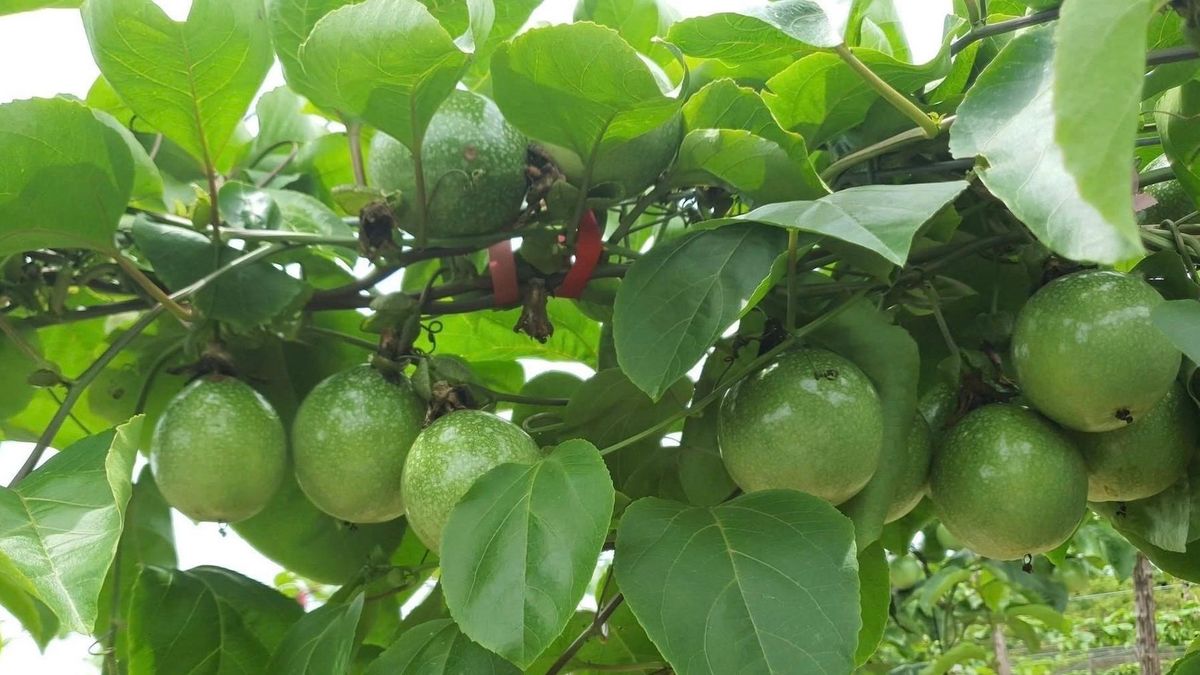
Passion fruit leads a record export period
Vietnam earned more than $116 million from passion-fruit exports to the European Union in the first seven months of 2026, according to VietnamNet, citing Vietnam Customs data. Passion fruit has been one of the largest contributors to the country’s fruit and vegetable trade with the bloc, accounting for approximately 31.89-33.85% of the sector’s EU export value during 2022-2026.
The product recorded average growth of 40% over that period. Total Vietnamese fruit and vegetable exports to the EU reached a record $343.3 million in the first seven months of 2026, representing 7.2% of the country’s worldwide exports in the category. Their average growth rate over the corresponding seven-month periods from 2022 to 2026 was 29.4%.
The Netherlands and Germany anchor distribution
The Netherlands was the largest EU destination, receiving approximately $134.8 million of Vietnamese fruit and vegetable exports, or 39.27% of the bloc total. Rotterdam also serves as the principal logistics hub for shipments subsequently distributed to Germany, Belgium, France and Nordic markets.
Germany ranked second at more than $68.9 million, equivalent to 20.07% of Vietnam’s exports to the EU. VietnamNet reported strong German demand for tropical fruit, bottled fruit juice and processed or dried vegetables. France purchased $36.36 million, with demand concentrated in premium fresh products including dragon fruit, passion fruit and mango. Sales to Belgium exceeded $10 million.
Other products also expanded their presence. Mango exports approached $41.2 million and coconut exports nearly $35.7 million, with respective average growth rates of 34.4% and 51.3% during 2022-2026. Strawberry sales reached $4.8 million, about 1.4% of Vietnamese fruit and vegetable exports to the EU. Pineapple, dragon fruit and lime also maintained positive annual export performance.
Tariff advantages meet stricter standards
Vietnam was the EU’s 23rd-largest external supplier of vegetables, flowers, roots, fruit and processed products in the first half of 2026, with shipments increasing 26% year on year. Nguyễn Văn Mười, deputy secretary-general of the Vietnam Fruit and Vegetable Association, told VietnamNet that the EU-Vietnam Free Trade Agreement provides tariff advantages that improve Vietnamese products’ price competitiveness against suppliers from South America and Africa.
Investment in preservation, juice production and drying is also reducing the pressure associated with long-distance transport and creating opportunities for processed fruit, vegetables and spices. However, Mười said the EU is increasing inspections and tightening maximum pesticide residue limits for fresh produce, particularly dragon fruit. Products covered by the EU Deforestation Regulation also face traceability and due-diligence requirements. Exporters seeking further growth will therefore need standardized growing areas, stronger quality controls and complete traceability records.