Vietnam’s meat imports reach 494,300 tonnes in first half of 2026 as domestic prices weaken
Vietnam imported 494,300 tonnes of meat and meat products worth about $1.46 billion in the first half of 2026. Rising imported and domestic supply, combined with weak demand, has increased pressure on pig and poultry producers.
Import value rises faster than volume
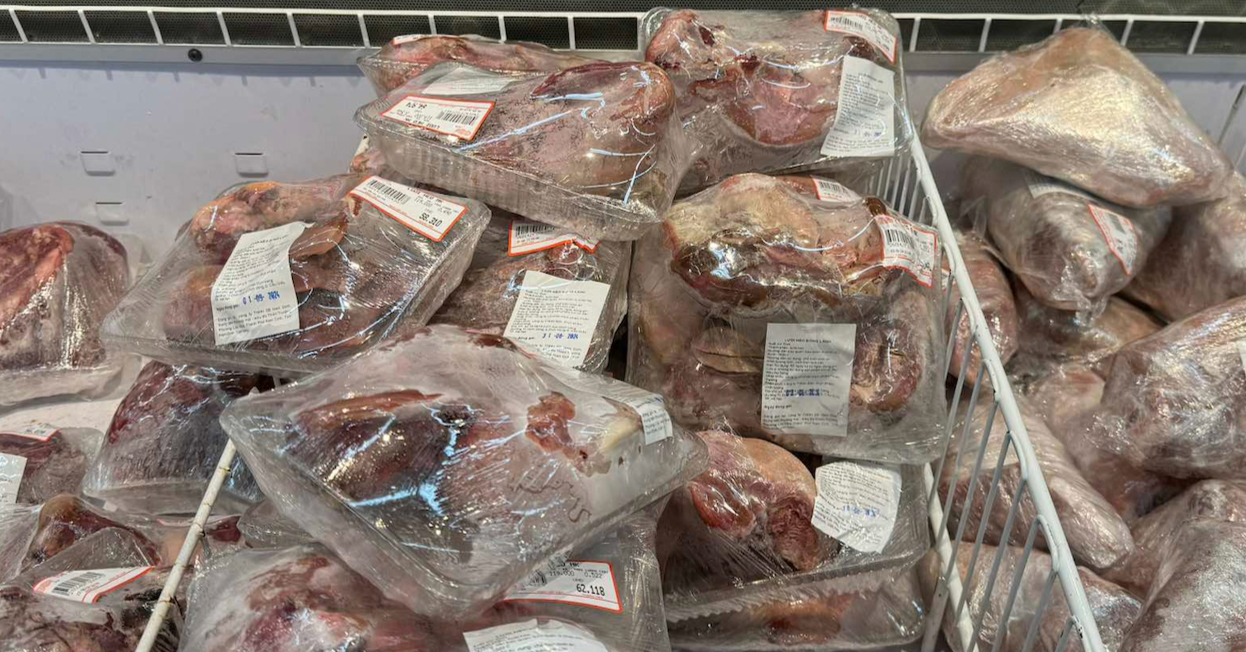
Vietnam imported 494,300 tonnes of meat and meat products worth about $1.46 billion in the first half of 2026, according to preliminary Customs Department data reported by VietNamNet and Vietbao. Volume increased 9.6% from the same period of 2025, while value rose 36.4%, showing that expenditure grew considerably faster than physical shipments.
Second-quarter imports reached 271,100 tonnes and nearly $810.1 million. Compared with the first quarter, volume increased 21.5% and value advanced 24.1%. Against the second quarter of 2025, shipments were 14.4% higher and their value rose 46.9%.
Average price reflects a broad product mix
The average import price across the category was about $2.95 per kilogram, equivalent to approximately 77,500 dong per kilogram. Imports continued to increase even as maritime transport costs were affected by international geopolitical disruption during the first half.
The headline average covers a varied basket: poultry meat and edible offal; edible offal from pigs, buffalo and cattle; and fresh, chilled or frozen buffalo, pork and beef. Vietbao cautioned that the figure therefore cannot be compared directly with retail prices for individual cuts sold in markets, supermarkets or shops. Offal and frozen meat generally cost less than fresh, chilled or processed retail products.
Pig prices fall as supply outpaces demand
Imports are adding supply while domestic meat production is also expanding and consumer demand remains weak. The Ministry of Agriculture and Environment reported that live pig prices fell during July. Northern prices declined by 3,500 dong per kilogram from June to 62,000-64,000 dong, while Central Vietnam and the Central Highlands recorded a 3,000-dong fall to 60,000-62,000 dong. Southern prices dropped by 1,000 dong to 60,000-62,000 dong.
More recent market updates put national live pig prices at 58,000-62,000 dong per kilogram, the lowest level since the start of the year in some localities. The ministry attributed the decline primarily to abundant supply and purchasing demand that had not improved correspondingly.
Poultry producers face oversupply and high feed costs
Poultry markets are under similar pressure. The Vietnam Poultry Association said imports of chicken meat and poultry offal increased from the first half of 2025. At the same time, rapid flock expansion from late 2025 into early 2026 created widespread oversupply, with short-cycle white-feather broilers particularly exposed. In southern Vietnam, industrial chicken prices at one point fell to 22,000-24,000 dong per kilogram, below production cost.
During July, colored chicken traded at 47,000-48,000 dong per kilogram and industrial chicken at 32,000-35,000 dong. Livestock businesses said plentiful pork and chicken supply, weak consumption and competitively priced imports were weighing on the market, although Vietbao noted that the domestic supply-demand balance remained decisive. With animal feed prices still high, low farmgate prices threaten to narrow margins or cause losses, particularly for producers with weaker productivity and limited cost control.