Vietnam becomes China’s fastest-growing top fruit and vegetable supplier
Vietnam supplied $2.2 billion of fruit and vegetables to China in the first half of 2026, up 20% year on year. Its market share rose to 16.1%, bringing it close to overtaking Chile as China’s second-largest supplier.
Vietnam records the fastest growth among leading suppliers
Vietnam strengthened its position in China’s fruit and vegetable market during the first six months of 2026, becoming the fastest-growing of the country’s three largest suppliers. Chinese imports from Vietnam reached $2.2 billion, an increase of 20% from the same period of 2025, according to China’s General Administration of Customs figures reported by Thanh Nien.
Vietnam’s share of the Chinese market rose from 14% to 16.1%. The country remained the third-largest supplier behind Thailand and Chile, but the gap with Chile narrowed to less than $100 million. Thanh Nien said that, if current growth continues, Vietnam is expected to overtake Chile and become China’s second-largest source of imported fruit and vegetables.
China spends more than $13 billion on imports
China spent more than $13 billion on imported fruit and vegetables in the first half of 2026, 4.3% more than a year earlier. Thailand retained first place with sales exceeding $5 billion and a market share of nearly 37%. Its shipments increased by 17% year on year.
Chile supplied almost $2.3 billion, but its sales fell 23%. Industry experts cited by Thanh Nien linked that decline partly to the long distance between Chile and China, which raises transport costs and weakens the competitiveness of fresh produce. Vietnam and Thailand can deliver fresher products over shorter routes, an advantage that became more important amid Middle East tensions and the oil-price shock reported in 2026.
Other Southeast Asian suppliers, including the Philippines, Malaysia and Cambodia, also recorded strong growth among China’s ten main sources, although their sales remained comparatively limited. The figures show a broader shift toward regional supply, particularly for products whose commercial value depends on freshness and logistics costs.
Durian leads Vietnam’s sales
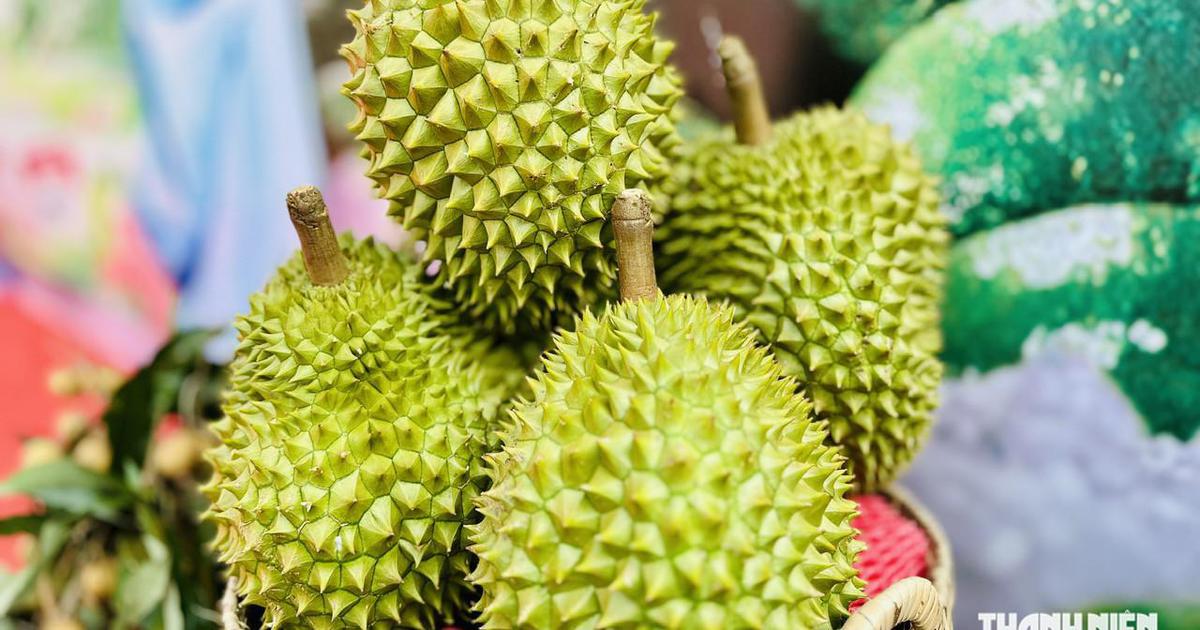
Durian remained the largest component of Vietnamese fruit and vegetable exports to China. Shipments were valued at $863 million in the first half, up 19% year on year. With the Central Highlands entering its harvest season, Thanh Nien reported that export revenue was expected to continue rising. China also increased purchases of Vietnamese banana, dragon fruit, mango and jackfruit.
China’s demand profile offers further opportunities but also raises requirements for exporters. Vietnam’s Ministry of Industry and Trade said China has strong demand for imported tropical fruit and is moving toward premium varieties. Buyers are paying more attention to product quality as health awareness increases, while rapid growth in the snack-food and bakery industries is supporting demand for processed fruit.
Bananas could provide an additional opening. Thanh Nien reported that Typhoon Maysak caused significant damage to banana-growing areas in Guangxi, including Nanning, Beihai and Chongqing, and that production could take 8–12 months to recover. Vietnamese suppliers are therefore well placed to serve near-term demand, but maintaining growth will depend on consistent quality, reliable harvest volumes and the ability to meet China’s requirements for both fresh and processed products.