Vietnam's cashew exports reach $3.37 billion in eight months as China and US buying grows
Vietnam shipped 477,894 tonnes of cashew kernels worth $3.37 billion in the first eight months of 2026, with volume down 0.9% and value up 2.8% on higher prices. China and the United States together spent more than $1.54 billion and now account for 45.6% of export volume, while Vietnam's share of the Canadian market slipped to 80.7%.
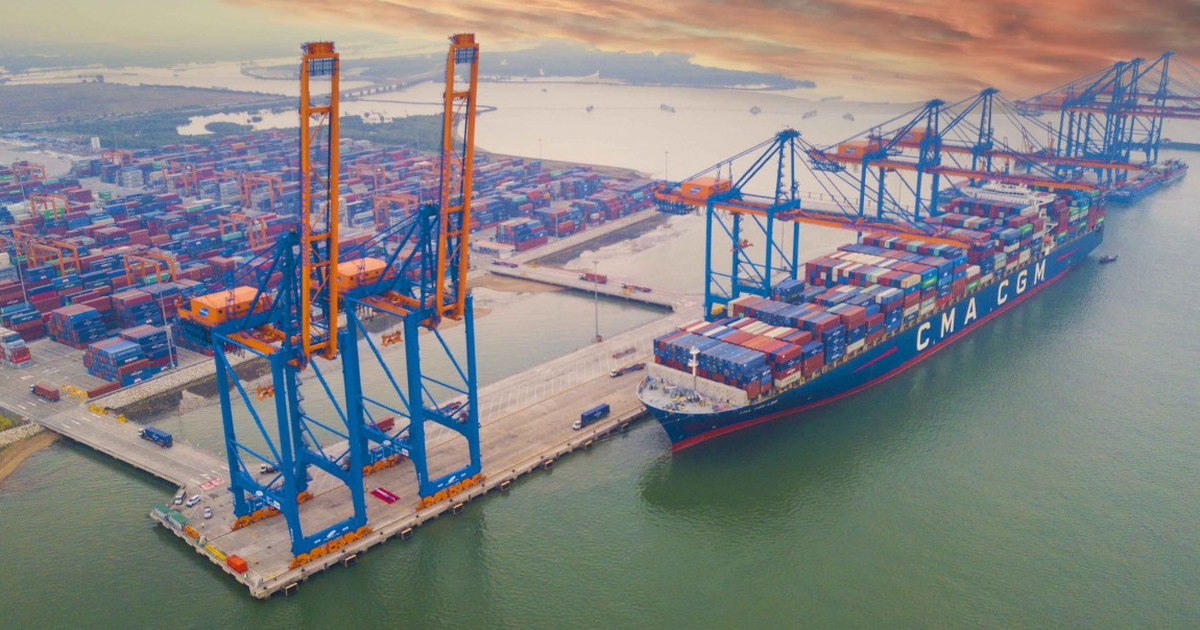
Vietnam exported 477,894 tonnes of cashew kernels worth $3.37 billion in the first eight months of 2026, according to Customs Department data cited by vietbao.vn. Volume fell 0.9% against the same period of 2025 while export earnings rose 2.8%, meaning the entire gain came from higher prices.
In August alone, shipments reached 65,880 tonnes and $474.54 million, down 6.6% in volume and 6% in value from July. Compared with August 2025, volume was 5.4% lower; soha.vn reports that value still edged up 0.2% year on year, while vietbao.vn describes the same month's value as 0.2% lower.
Price carries the earnings
The average export price in August was about $7,203 per tonne, 0.7% above July. soha.vn puts it roughly 6% above the year-earlier level, while vietbao.vn cites 5.9%. For the eight months as a whole, the average was $7,061 per tonne, up 3.7%.
According to the Vietnam Cashew Association (Vinacas), Vietnam supplies about 80% of the cashew kernels traded worldwide. soha.vn reports the product now reaches 112 countries and territories.
Physical market prices have been stable in recent weeks. In Dordrecht, the Netherlands, Brazilian cashew kernels were quoted at around €6.55 per kilogram, about $7.46, almost unchanged since the start of September.
China and the United States absorb a larger share
China remained the largest buyer, taking 115,286 tonnes worth $839.5 million over the eight months, up 6.4% in volume and 22.4% in value year on year. In August, China bought 16,029 tonnes for about $121 million. The United States followed with 102,946 tonnes worth $704.5 million, increases of 8.7% and 10.5% respectively.
Together the two markets spent more than $1.54 billion and accounted for 45.6% of Vietnam's export volume, up from 42.1% a year earlier. The next-largest destinations by value were:
- Netherlands — $247.4 million
- Germany — $135.6 million
- Canada — $92.8 million
The Netherlands is Vietnam's main European entry point. Ministry of Industry and Trade data cited by vietbao.vn show Vietnam supplied 74% of Dutch cashew imports in the first two months of 2026.
Competition intensifies in Canada
Vietnam held 80.7% of Canada's cashew imports in the first seven months of 2026, down from 83.6% a year earlier. Vietnamese shipments to Canada fell to about 6,280 tonnes worth $43 million, a decline of 10.6% in volume and 4.5% in value. Côte d'Ivoire lifted its share of the Canadian market from 4.6% to 12.4%, while China and the United Arab Emirates also expanded their presence. The average import price of Vietnamese cashews entering Canada nonetheless rose 6.8%, which vietbao.vn reads as evidence that competition is shifting toward quality and product value rather than volume alone.
Value still concentrated in plain kernels
Vietnam is one of the world's largest cashew processing hubs, but domestic raw material does not cover factory demand. Vinacas says processors continue to import large volumes of raw cashew nuts, leaving the industry exposed to international raw-nut prices and supply conditions.
Most exports remain plain kernels. vietbao.vn identifies flavoured roasted cashews, cashew butter, cashew milk, nutritional foods and direct-to-consumer products as the categories with room to grow, and argues that raising their share would reduce dependence on kernel price swings and retain more value inside the country.
The final quarter looks supportive. India's festival season, running from mid-September to November, lifts demand for premium nuts and has tightened spot supply of whole kernels, with similar patterns appearing in other South and Southeast Asian markets. In Europe and North America, the fourth quarter is the peak import window for Christmas and year-end consumption.