Venezuela’s white corn output exceeds 1 million tonnes after 200,000-hectare planting
Venezuela produced more than 1 million tonnes of white corn after planting about 200,000 hectares, according to Fedeagro. The crop could supply the domestic precooked flour market for at least 10 months, while yellow corn production is expected to cover national demand for about five months.
White corn harvest passes a domestic supply milestone
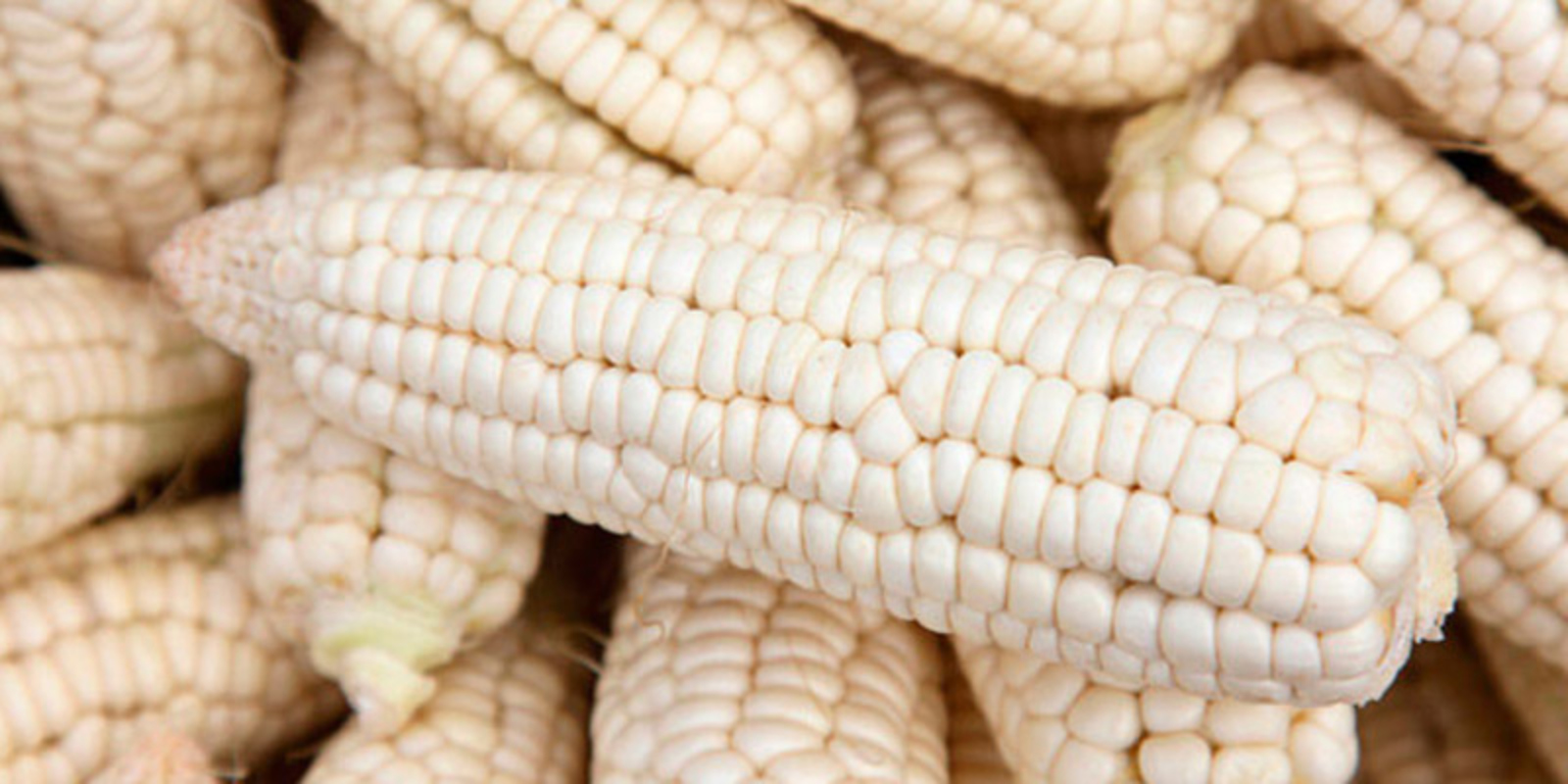
Venezuela’s white corn production exceeded 1 million tonnes this year after farmers planted about 200,000 hectares, according to figures released by the Confederation of Associations of Agricultural Producers, known as Fedeagro. The organization’s president, Osman Quero, said the volume would be sufficient to supply the Venezuelan market with precooked corn flour for at least 10 months.
The result is significant for Venezuela’s food-processing sector because white corn is the principal raw material used in precooked flour, a staple product in the country. The estimate indicates that domestic growers can cover most of a year’s processing requirements, although Fedeagro did not provide figures for consumption, inventories, imports or expected monthly deliveries to mills. The reported output also implies an average yield of more than 5 tonnes per hectare across the approximately 200,000 hectares planted with white corn, based on the production and area figures supplied by the organization.
Total corn area reaches about 325,000 hectares
Quero said Venezuelan farmers planted around 325,000 hectares of corn in total this year. With about 200,000 hectares allocated to white corn, the remaining area includes yellow corn, which is commonly directed toward animal feed and other industrial uses. Fedeagro did not disclose a tonnage estimate for the yellow corn harvest.
The organization nevertheless expects domestic yellow corn production to cover national demand for approximately five months. That is only half the supply period projected for white corn and suggests that buyers of feed grain and industrial corn will face a greater need for alternative supplies during the rest of the year. The source did not specify whether this gap would be met through imports, inventories or substitution by other feed ingredients.
Power supply and crop prices remain key risks
Fedeagro reported that planting levels remained above 90% in Venezuela’s main agricultural states despite the effects of the El Niño climate phenomenon. Quero said the sector had a crop available for the market, but post-harvest infrastructure could determine how efficiently that volume reaches processors. Grain reception and conditioning plants require continuous electricity during the harvest, and interruptions can disrupt the drying of both corn and rice.
Producers are waiting for meetings with public authorities to discuss electricity supply. Reliable power is particularly important when large volumes arrive at storage and processing facilities over a short period. Delays in drying or conditioning can affect grain quality, raise handling costs and slow deliveries to flour mills and feed manufacturers, even when production in the field is sufficient.
Fedeagro has also asked that prices for white corn, yellow corn and rice should not fall below the levels recorded last year. The organization argues that this is necessary to protect farm profitability and prevent increases in raw-material costs. No proposed price, procurement mechanism or timetable for an agreement with the authorities was disclosed. For producers and processors, the commercial outcome will determine whether the production milestone translates into stable deliveries and adequate incentives for the next planting cycle.