Venezuela to control rice imports during harvest, tying licences to purchases of the domestic crop
Venezuela will regulate rice imports for as long as the domestic harvest lasts, with import licences tied directly to the purchase of the national crop, Agriculture Minister Vladimir Padrino López announced. Rice yields have risen from 4 to 5 tonnes per hectare over five years, and domestic supply reached a historic 80% of the market in recent years, according to Ciudad CCS.
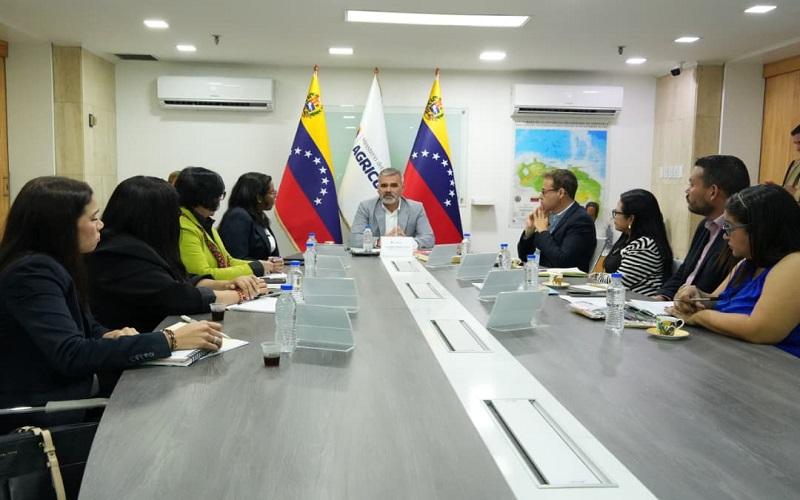
Venezuela will regulate rice imports for as long as the domestic harvest lasts, Minister of Productive Agriculture and Land Vladimir Padrino López announced in a statement reported on 11 August 2026 by Ciudad CCS. The agreement ties access to import licences directly to the purchase of the national crop and is intended to protect growers and the internal market.
The initiative came out of a technical working session that brought together the Ministries of Agriculture, Food and Commerce, the Foreign Trade Committee (Comex), rice producers and the agro-industrial sector. Padrino López set out the results of that meeting on his Instagram account, according to Ciudad CCS.
Import licences tied to purchases of the domestic crop
The core of the agreement addresses offtake rather than price. The minister argued that “the absorption of the harvest is as important as the price”, because a headline price does nothing for a grower who cannot place the crop or collect payment.
“Without clear agreements on reception volumes, a price does not solve the reality of the producer if they do not manage to place their harvest or do not manage to collect on time,” Padrino López said, as quoted by Ciudad CCS. “To correct this, a fundamental agreement emerged from our meeting: a strict link is established between the purchase of the national harvest and the issuance of import licences. The rule is clear and fair: whoever does not bet on national production and its absorption will not have access to licences to import.”
Yields rise from 4 to 5 tonnes per hectare
Participants agreed to protect the gains recorded in rice production over the past five years, a period in which yields moved from 4 to 5 tonnes per hectare, Ciudad CCS reported. The minister connected the import controls to the performance of the internal market, where domestic supply reached a historic 80% of consumption in recent years. He reaffirmed the commitment to control the entry of imports during rice harvest periods in order to protect that market and “not generate any type of disturbance”.
- A strict link between the purchase of the national harvest and the issuance of import licences.
- Control over the entry of imported rice for the duration of the harvest periods.
- Protection of the yield increase from 4 to 5 tonnes per hectare achieved over five years.
The report did not specify import volumes, licence quotas, tariff levels or the calendar dates on which the harvest windows open and close. It also gave no indication of how reception commitments will be verified, which body will administer licence decisions, or which companies currently hold import licences.
FAO cooperation, El Niño and animal health
Padrino López also met the representative of the Food and Agriculture Organization of the United Nations (FAO) in Venezuela, Alexis Bonte, to discuss possible cooperation aimed at strengthening the country’s food security and food sovereignty. The two reviewed progress and execution of technical assistance projects run with the agriculture ministry, including work on animal health.
The meeting also covered the effects of the El Niño climate phenomenon and the country’s international certification against foot-and-mouth disease. The minister thanked the FAO for its gesture of solidarity during the tragedy of 24 June, and highlighted the resilience of Venezuelan producers and farmworkers: “Our people have not stopped, we see the horizon because we are people of faith and work.”