Venezuelan farmers warn bulk corn, rice and sugar imports could displace domestic crops
Venezuelan farm groups say incoming shipments of 67,918 tonnes of yellow corn, 27,499 tonnes of paddy rice and 32,000 tonnes of refined sugar risk depressing domestic demand. The cargoes are arriving as the corn harvest approaches and sugar producers prepare for the 2026-2027 crushing season.
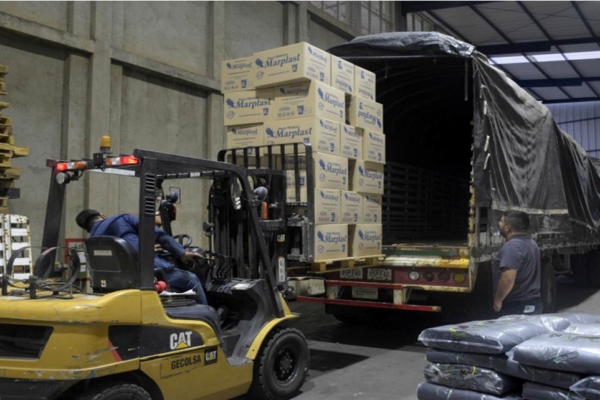
Shipments converge with domestic harvests
Venezuelan agricultural groups are warning that large shipments of yellow corn, paddy rice and refined sugar could displace domestic crops just as key harvest and processing periods approach. Banca y Negocios reported that the arrivals continue despite recent official statements that imports would be restricted to protect national production.
A Bolivariana de Puertos vessel schedule updated on August 21, 2026, and published by agricultural leader Carlos Odoardo Albornoz listed three major cargo streams. The Princess Shad was carrying 32,000 metric tonnes of refined sugar, the Seastar Victory had 27,499 metric tonnes of paddy rice, and the UBC Sagunto, Panoceanis and UBC Tacoma together accounted for 67,918 metric tonnes of yellow corn.
The corn volume has attracted particular concern because Venezuela's harvest is about to begin. Agricultural leader Fernando Camino Peñalver said continued arrivals of imported raw material could leave farmers without buyers for their crop during the current cycle. Albornoz also argued that the reported import figures exceed those of previous years and could prevent the domestic corn crop from being absorbed by the market, according to the specialist outlet Minuta Agropecuaria.
Sugar industry sees risk to October start
Sugarcane associations and agricultural service providers in Portuguesa state are separately concerned that refined sugar imports could discourage national output and jeopardize the timely opening of the 2026-2027 crushing season. The season is expected to begin in mid-October, with milling tentatively scheduled for October 15.
Juan Maestre, general manager of Soca-Portuguesa, said the organization had completed 97.5% of its fertilization program across nearly 26,000 hectares. It projects a harvest of close to 1,809,000 tonnes of sugarcane this cycle. Producers have therefore already committed substantial resources before knowing whether imported refined sugar will weaken demand for locally processed output.
Asoseagro representative Froilán Márquez said a delayed start would affect more than 1,000 direct workers employed during the harvest in cutting and transport operations. Sugarcane intended for Central Portuguesa could be deferred to the following season if the operating window is missed, especially because weather forecasts point to an early arrival of the 2027 rainy period. Of Asoseagro's 28 operating groups, some machinery fleets have completed maintenance, while the remainder are between 70% and 80% operational readiness.
Government reviews import licences
The Ministry of Productive Agriculture and Lands maintains that food and agricultural imports are strictly complementary. It has also said the government is reviewing the issuance of import licences to protect domestic production, including refined sugar. The dispute now centres on whether that policy can be reconciled with cargoes already scheduled for Venezuelan ports and whether processors and traders will have sufficient capacity to absorb domestic corn, rice and sugar production alongside the imported volumes.