Uzbekistan plans to expand halal meat imports from India with Allana Group
Uzbekistan plans to increase imports of lower-priced Indian meat and involve Uzbek companies and specialists in slaughter, processing and halal compliance in India. India already supplied 33,900 tonnes, or about 47%, of Uzbekistan’s beef imports in January-June 2026.
Joint ventures to prepare meat in India
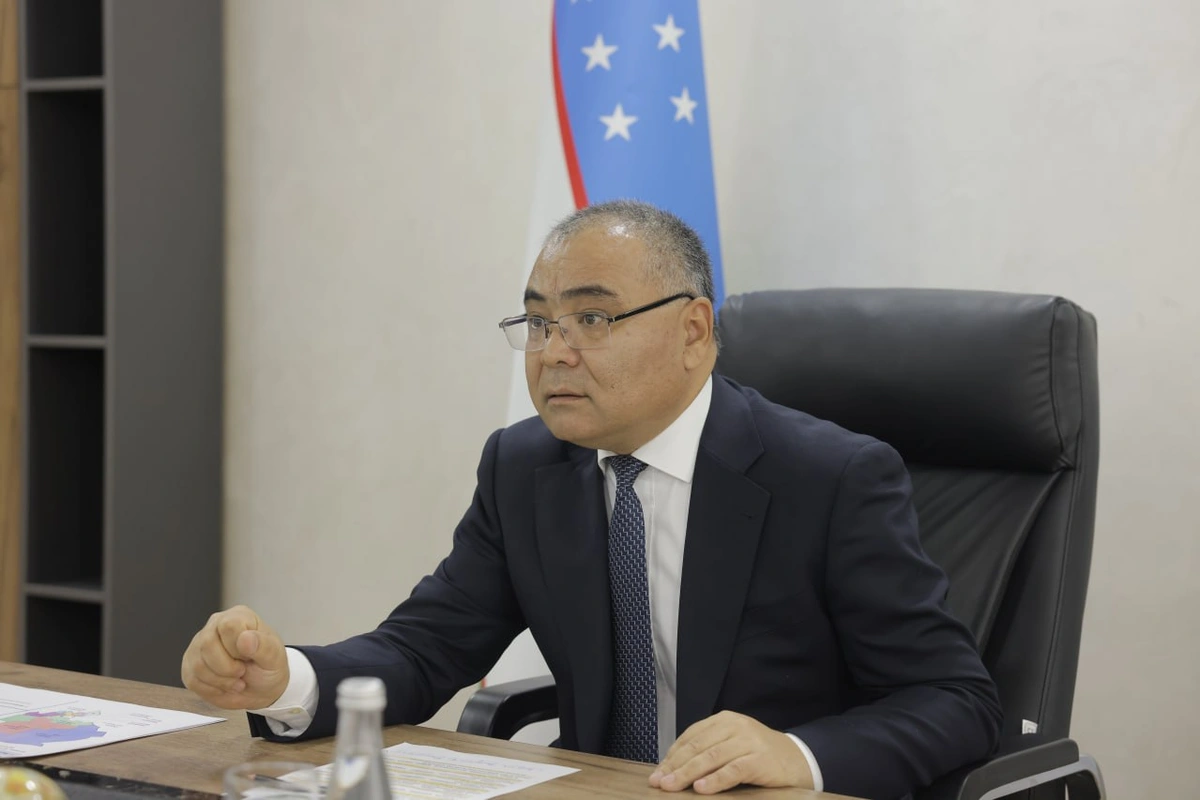
Uzbekistan plans to expand imports of lower-priced meat from India and establish a system under which Uzbek companies participate directly in production and preparation before shipment. Agriculture Minister Ibrokhim Abdurakhmonov said joint ventures had already been created and that Uzbekistan had “very big plans” with Allana Group, a major Indian producer and exporter of halal buffalo meat. New agreements were reached during Indian Prime Minister Narendra Modi’s state visit, according to Spot and Gazeta.uz.
The proposed model extends beyond purchasing finished products. Uzbek food-industry companies and specialists are expected to work in India, including participating in animal slaughter and meat preparation. Abdurakhmonov said halal certification would be the first requirement, alongside international certification, cleanliness and food safety. The meat would then be exported to Uzbekistan through the joint ventures. Uz24 also reported that the parties intend to establish joint enterprises in India focused on livestock production and preparation.
India already leads Uzbekistan’s beef suppliers
India has a substantial position in Uzbekistan’s imported beef market. Citing the National Statistics Committee, Gazeta.uz reported that Uzbekistan imported 72,000 tonnes of beef worth $359.5 million in January-June 2026. The volume was 6,000 tonnes, or 9.1%, higher than in the same period a year earlier. India supplied 33,900 tonnes, equivalent to about 47% of the total.
Belarus was the second-largest supplier with 19,600 tonnes, followed by Kazakhstan with 10,600 tonnes and Pakistan with 4,000 tonnes. Another 4,000 tonnes came from other countries. The figures show that any expansion involving Allana Group would build on an established trade flow rather than open an entirely new route. For Uzbek importers and processors, direct involvement at Indian facilities could provide greater oversight of halal procedures and product safety while supporting access to cheaper meat.
Logistics and wider agricultural cooperation
Transport remains one of the project’s operational issues. Uzbekistan is working with Turkish partners on a trilateral India-Türkiye-Uzbekistan route using the port of Mersin. The sources did not disclose prospective shipment volumes, investment amounts or a timetable for the planned expansion. Agricultural trade between Uzbekistan and India has nevertheless grown more than threefold in recent years, according to Abdurakhmonov. Uzbekistan has also obtained permits, phytosanitary approvals and licences for more than 30 products intended for the Indian market, with pulses highlighted as an area of opportunity. Direct exports have begun to replace shipments previously routed through third countries.
The partnership also covers seeds, cotton, cumin and jute. Salt-tolerant Indian cotton varieties are being tested on 12,000 hectares in Khorezm, while more than 10 tonnes of early-maturing cumin seed were imported for trials across Uzbekistan. Jute is currently grown with Indian cooperation on almost 2,000 hectares. Gazeta.uz and Uz24 said Uzbekistan plans to expand the area to at least 50,000 hectares, while Spot reported a target of at least 55,000 hectares. The country imports nearly $30 million of natural fibres, and the government sees domestic jute as an input for blended textiles using cotton and other natural fibres.