Uttar Pradesh approves ₹200 crore for jute sacks ahead of grain procurement
Uttar Pradesh has approved ₹200 crore to purchase 40,000 bales of jute sacks for paddy, coarse-grain and custom-milled rice operations. The early authorization is intended to prevent the packaging shortages that disrupted procurement in the previous season.
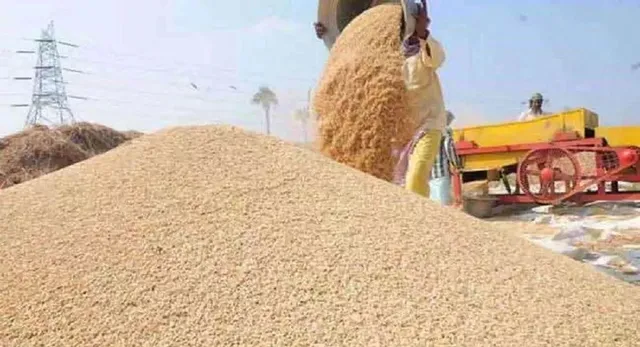
Cabinet authorizes 40,000 bales
The Uttar Pradesh government has approved ₹200 crore for the purchase of 40,000 bales of jute sacks to support public procurement of paddy and coarse grains and the delivery of custom-milled rice. According to Jagran, the decision was adopted by the state cabinet through circulation, allowing the Food and Civil Supplies Department to begin arranging packaging materials before procurement operations start.
The authorization is aimed at avoiding a repeat of earlier sack shortages. Jagran reported that orders were not placed on time during the previous season, leaving insufficient packaging available and causing difficulties for farmers participating in government procurement. By approving the expenditure earlier, the administration is seeking to ensure that sacks reach purchasing centers and rice mills when grain begins moving through the system.
The source contains inconsistent references to the relevant procurement season. Its opening passage identifies the Kharif 2025-26 season, while a later passage refers to “Kharif 2026-26.” The approved expenditure, volume and intended uses are nevertheless stated consistently: ₹200 crore for 40,000 bales of jute sacks covering paddy, coarse grains and custom-milled rice.
Packaging connects procurement and milling
Uttar Pradesh purchases paddy from farmers at the minimum support price during the Kharif season. The procured crop is supplied to rice mills, which process it into custom-milled rice for delivery to the Government of India. The state also purchases coarse grains, creating additional demand for sacks at procurement centers, storage points and milling facilities.
Jute sacks are therefore an operating input rather than a peripheral expense. A shortage can slow the acceptance of crops even when purchasing centers, budgets and minimum support prices are already in place. Delays can leave farmers waiting with harvested grain and can disrupt the movement of paddy to mills and finished rice into the central supply system.
The approval also provides a defined order opportunity for jute packaging suppliers. Jagran did not identify the manufacturers, purchasing timetable, bale specifications or procurement method. It also did not state how many individual sacks the 40,000 bales represent, so the approved quantity should not be presented as 40,000 sacks.
Earlier ordering reduces execution risk
The decision reflects a practical lesson from the previous procurement cycle: financing alone does not guarantee timely availability of packaging. Orders must be placed early enough for production, allocation and delivery across a large state procurement network. The advance approval gives the responsible department more time to complete these steps before crop arrivals accelerate.
For farmers, the immediate issue is whether procurement centers can accept grain without interruptions caused by missing sacks. For rice mills, adequate packaging supports the movement of paddy into processing and custom-milled rice onward to the central government. For sack manufacturers and distributors, the ₹200 crore authorization establishes a sizeable source of institutional demand, although the commercial allocation remains unknown.
Execution will now matter more than the cabinet approval itself. The relevant indicators will be the timing of tenders or orders, delivery schedules and the distribution of sacks among procurement districts and mills. If those stages are completed before purchasing begins, Uttar Pradesh will have addressed one of the operational bottlenecks that affected farmers in the previous season.