USDA: Romania's chicken meat industry set to grow 6% in 2026 after 2025 decline
A USDA report cited by economica.net projects Romanian chicken meat output will expand 6% in 2026, above the EU average of 3.4%, and a further 3% in 2027. Growth is supported by strong domestic and export demand, the absence of HPAI outbreaks on commercial farms and the EU ban on Brazilian chicken meat in force since 3 September 2026. European Commission data put Romanian farm-gate poultry prices at 243.3 euros per 100 kilograms, below the EU average of 287.4 euros.
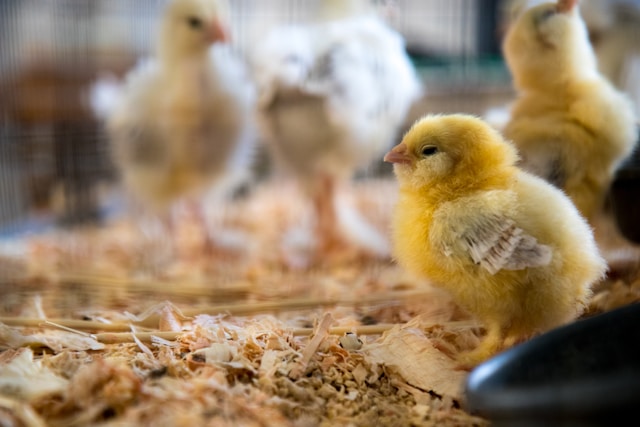
USDA projects 6% growth for Romania in 2026
Romania's chicken meat industry is set to return to an upward trend after the decline recorded in 2025, according to a United States Department of Agriculture report cited by economica.net. Local output could expand by 6% in 2026, above the European Union average of 3.4%, and by a further 3% in 2027, supported by strong demand on both the domestic market and in exports.
Consumption is also expected to recover over the next two years despite persistently high inflation. One of the reasons cited in the analysis is that no outbreaks of highly pathogenic avian influenza (HPAI) have been detected on commercial farms.
Brazilian ban reshapes EU supply
At EU level, growth is underpinned by steady domestic demand and by reduced competition from Brazil following the bloc's ban on Brazilian chicken meat, which took effect on 3 September 2026. The measure removed the cheapest source of imported product from the European market at a moment when domestic consumption was already stabilising.
Weather worked in the opposite direction. Heatwaves and severe drought across most of Western and Central Europe in late spring and summer 2026 had a negative impact on the EU poultry sector, with thousands of birds, laying hens in particular, dying from excessive heat. Reduced feed availability and higher feed prices also weighed on production by pushing costs up.
Poland dominates volumes, but its price gap is narrowing
Broilers account for 98% of all chicken production in the EU. Poland is the largest producer, representing more than 21% of total EU chicken output, and nearly 70% of Polish production is exported, 44% to other EU countries and 26% outside the bloc. Estimates from the authorities in Warsaw point to Polish production growing 3.7% in 2027, after an 8% increase in 2026, as the economics of the Polish poultry sector improved on the back of cheaper feed costs in 2025 and the first half of 2026.
The USDA analysis indicates significant price differences between member states. German chicken meat prices are on average two euros per kilogram higher than Polish prices, while the average gap with France is one euro per kilogram. That spread explains why Polish shipments to other EU member states have risen significantly in recent years, in some cases replacing cheap chicken meat imported from Brazil. Polish prices are now rising, however, and stand close to Romanian and Spanish levels, illustrating a slow erosion of Poland's price competitiveness within the EU.
Romanian farm-gate prices below the EU average
According to European Commission data for the week beginning 31 August, poultry meat prices at the farm gate compared as follows:
- Romania: 243.3 euros per 100 kilograms, after an annual increase of 4.9%, with a 1.8% decline over the past month
- EU average: 287.4 euros per 100 kilograms, after an annual decrease of 4.9%
- Poland: 169.8 euros per 100 kilograms, the cheapest market among member states
- Bulgaria: 198.9 euros per 100 kilograms
- Slovakia: 238.8 euros per 100 kilograms
The combination places Romanian producers in an unusual position: prices at home are rising while the European benchmark is falling, and the country's cost base still sits below the EU average. For processors and traders, the key variables in the coming quarters are whether Romania's commercial flocks remain free of HPAI, how long the Brazilian ban stays in force, and whether feed costs continue to support the expansion plans announced in Poland.