USDA Finalizes Nearly $30 Million Purchase of California Walnuts Under Section 32
The U.S. Department of Agriculture has awarded contracts for 12 million pounds of California walnut kernels, equal to 28 million pounds in-shell, at a value of nearly $30 million. The deal lifts total 2026 Section 32 walnut purchases to $45 million, covering almost 17 million pounds of kernels bound for food banks. The California Walnut Commission says the buy helps cut carry-in stocks from the second-largest crop on record.
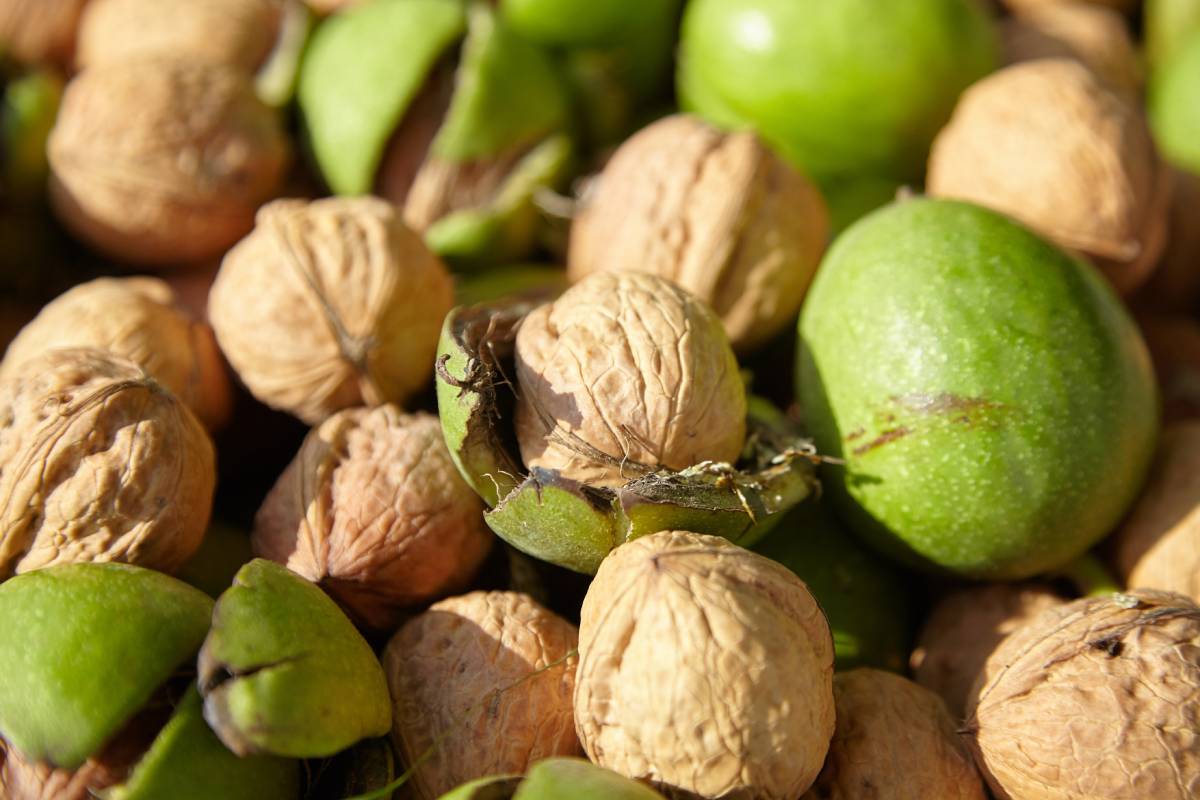
The U.S. Department of Agriculture has finalized a purchase of California walnuts worth close to $30 million, awarding contracts for 12 million pounds of kernels — the equivalent of 28 million pounds in-shell. According to freshfruitportal.com, the department announced the awards on Sept. 25, following the intent-to-purchase notice it issued in August. The walnuts were bought under Section 32 authority and are being distributed through food banks.
Contracts awarded under Section 32
Section 32 purchases allow USDA to buy domestically produced commodities and route them into food assistance channels rather than commercial trade. For the California walnut sector, that means volumes are removed from the open market at a point in the season when supply pressure is at its heaviest. The California Walnut Commission (CWC) said the kernels covered by the latest contracts will reach people who need access to healthy foods through the food bank system.
- 12 million pounds of walnut kernels under contract, equal to 28 million pounds in-shell
- Contract value of nearly $30 million
- Total 2026 Section 32 walnut purchases of $45 million, covering nearly 17 million pounds of California kernels
The sequencing matters for handlers. USDA first signalled its intent to buy in August, before the new harvest was in motion, and converted that signal into firm contracts on Sept. 25. That gives the trade a defined volume and a defined value to work against as the new selling season begins, rather than an open-ended expectation of federal support.
Commission credits USDA officials
Robert Verloop, chief executive of the California Walnut Commission, thanked USDA Secretary Brooke Rollins, Under Secretary for Marketing and Regulatory Programs Dudley Hoskins and Agricultural Marketing Service Administrator Erin Morris for completing the purchase. “They have consistently supported American agriculture and the California walnut industry, especially when we have been faced with excess inventories and challenging global markets,” Verloop said in comments reported by freshfruitportal.com.
Verloop framed the award as part of a wider federal effort during the current cycle. “With this contract, it brings the total 2026 Section 32 purchases to $45 million, representing nearly 17 million pounds of California kernels distributed through food banks and reaching people who need access to healthy foods,” he said. The $30 million award therefore accounts for the larger share of federal walnut buying recorded for 2026 to date.
Heavy carry-in meets a new crop
The purchase lands at a specific point in the marketing calendar. Growers and handlers are harvesting this year’s crop while still completing shipments of the previous one, which was the second largest on record. That overlap is the core of the industry’s current problem: new supply arrives before the prior season’s inventory has fully cleared, and the resulting carry-in weighs on the price handlers can achieve at the start of the new selling period.
“Lowering the carry-in inventory from 2025 is a critical step to putting our family farms and local rural communities on firmer footing,” Verloop said. He described the award as “a positive boost that helps set the stage for a stronger, more balanced market as growers and handlers kick off the new selling season.”
The Commission’s language points to two pressures acting at once — excess inventories at home and what Verloop called challenging global markets abroad. Federal buying addresses only the first of those directly. It subtracts a fixed tonnage from domestic commercial supply and places it in a non-competing channel, but it does not alter demand conditions in the export destinations that absorb a large part of California’s crop. For producers, processors and importers tracking the new season, the practical question is how much of the 2025 carry-in remains once the 28 million pounds in-shell equivalent is accounted for, and at what price the balance clears.