USDA Confirms Smallest US Wheat Crop on Record as Freeze, Drought Hit Kansas and Colorado
The USDA has confirmed the smallest US wheat crop on record, with the 2026 crop showing the lowest planted area since records began in 1919, according to world-grain.com. Freeze and drought damage in Kansas and Colorado have deepened the shortfall, raising questions over US export supply and global wheat prices.
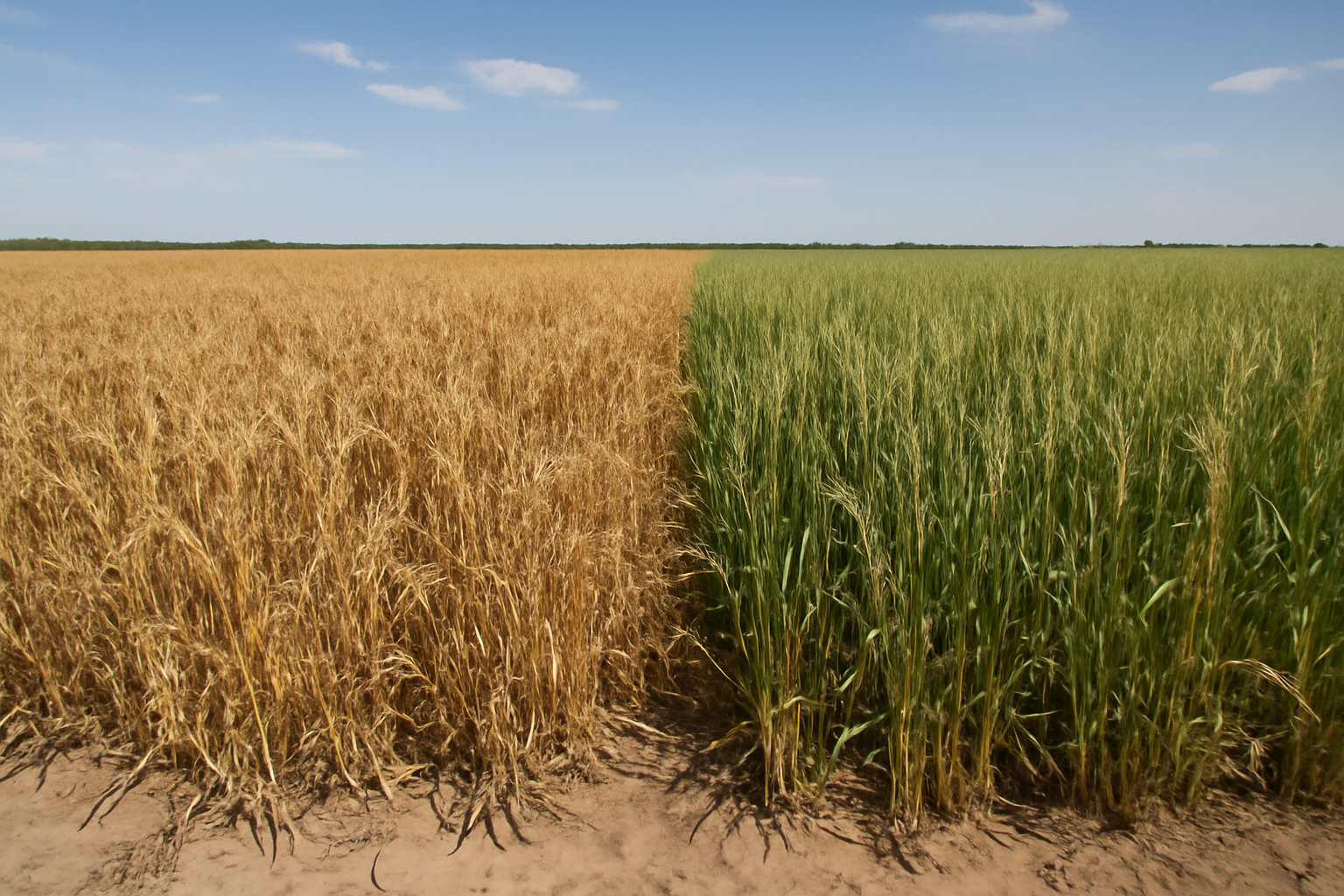
USDA confirms lowest planted wheat area since 1919
The US Department of Agriculture has confirmed the smallest US wheat crop on record, with the 2026 crop showing the lowest planted area since records began in 1919, according to world-grain.com. The figure marks a low point stretching back more than a century and sharpens concerns over US export availability in the coming season.
world-grain.com reports that the record-low planting has been compounded by weather damage in key production states, leaving growers to assess losses as the early harvest gets under way.
Freeze and drought hit Kansas and Colorado
According to world-grain.com, freeze and drought have left a smaller wheat harvest across Kansas and Colorado, two states central to US hard red winter wheat production. Growers in both states are assessing the extent of the losses and evaluating the quality of the early harvest.
The combination of a reduced planted base and in-season weather damage squeezes the crop from two directions: fewer acres seeded, and lower yields or quality on the acres that were planted.
Implications for exports and global prices
A smaller US crop reduces the volume available for export from one of the world's traditional wheat suppliers. For importers, that tightens the pool of US-origin wheat and can push buyers toward alternative origins such as the Black Sea region, Argentina and Australia. For exporters in those regions, weaker US competition can open additional demand.
Harvest quality is the second variable to watch. world-grain.com notes that Kansas and Colorado are still evaluating early harvest quality; freeze damage can affect protein content and test weight, factors that determine milling value and the premiums flour buyers pay. Until fuller USDA data and regional quality reports are published, the market is working with the confirmed picture: the smallest crop on record and the lowest planted area in more than a hundred years.