US 25% surtax hits Brazilian rice and grapes as coffee, beef and oil win exemptions
New US tariffs leave Brazilian rice and grapes subject to a 25% surtax even as coffee, beef, oil and other flagship products win exemptions. The rice sector, centred in Santa Catarina and Rio Grande do Sul, warns of lost competitiveness in a key export market at a time of already negative margins.
New United States tariffs on Brazilian goods will hit rice and grape exports directly, even as several of Brazil's flagship products secured relief. The 25% surtax was announced on Wednesday (15) by the Office of the United States Trade Representative (USTR) and takes effect on the 22nd.
Coffee, beef, oil, civil aviation products, pulp, iron ore and orange juice were left off the surtax list, according to 4oito.com.br. Washington said the exemptions went to products considered essential for domestic supply or not produced in sufficient quantity in the United States. Rice did not make the exceptions list.
Rice sector braces for lost ground in a key market
Walmir Rampinelli, president of the Santa Catarina Rice Industries Union (SindArroz), told 4oito.com.br that the measure will reduce the competitiveness of Brazilian rice in the US market and cut export volumes. He said the United States ranked among the leading buyers of Brazilian milled rice in June this year, trailing only Peru and Cuba as the third-largest importer.
"The North American consumer will have to pay more for the Brazilian product. That should reduce our exports to the United States, which already represented an important destination for the crop," Rampinelli said.
He added that while the US was not the single biggest destination for Brazilian rice, those sales helped drain supply from the domestic market. Exports of paddy rice to other countries have provided support and are helping to regulate stocks and consumption, but they are not enough to offset producers' difficulties.
Margins already under pressure
The squeeze arrives with the sector's economics already stretched. According to SindArroz, the production cost is around R$ 75 per bag, while the price paid to producers stands near R$ 60 — a gap that undermines profitability before the tariff is factored in.
Rampinelli warned that Santa Catarina and Rio Grande do Sul could be among the hardest-hit regions, and not only through the rice chain. Rio Grande do Sul is Brazil's largest rice exporter, and other export segments such as timber and coverings also stand to lose ground in the US. "All of our South will be harmed," he said.
Grapes left as the biggest fruit casualty
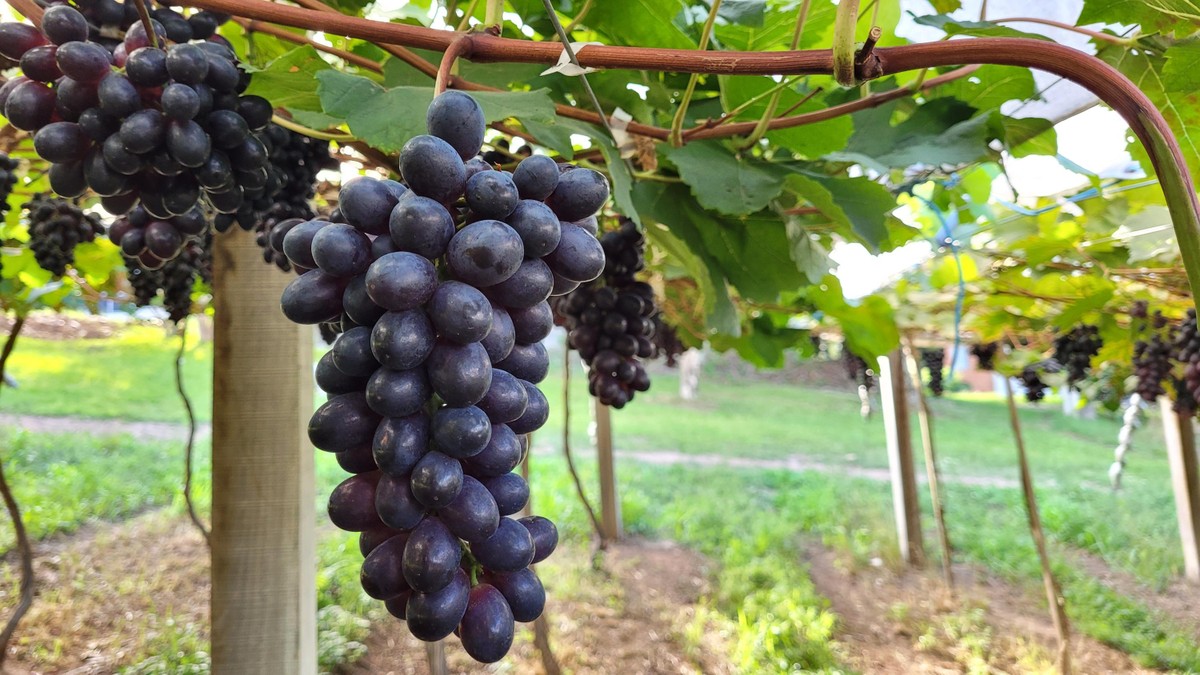
On the fruit side, most Brazilian varieties shipped to the United States were exempted from the surtax, but grapes were not. Grapes are the most relevant fruit missing from the exemptions list, according to the Center for Advanced Studies on Applied Economics (Cepea), cited by Globo Rural. That leaves the country's leading fresh-fruit export to the US facing the full 25% charge while competing products won relief.
For the rice sector, the tariff is one more obstacle at a moment of tight margins and a hunt for new markets to keep the production chain in balance. "It was not such an expressive volume, but it was already a volume that would tighten our market," Rampinelli said, referring to the US sales that helped absorb domestic supply.