US sanctions raise payment risk for India’s basmati rice exports to Iran
Indian basmati exporters face rising payment, compliance and shipping risks as the United States prepares further sanctions against Iran. Iran normally buys about 1 million tonnes of Indian basmati annually, but shipments fell 62% year on year to 120,847 tonnes between April and June.
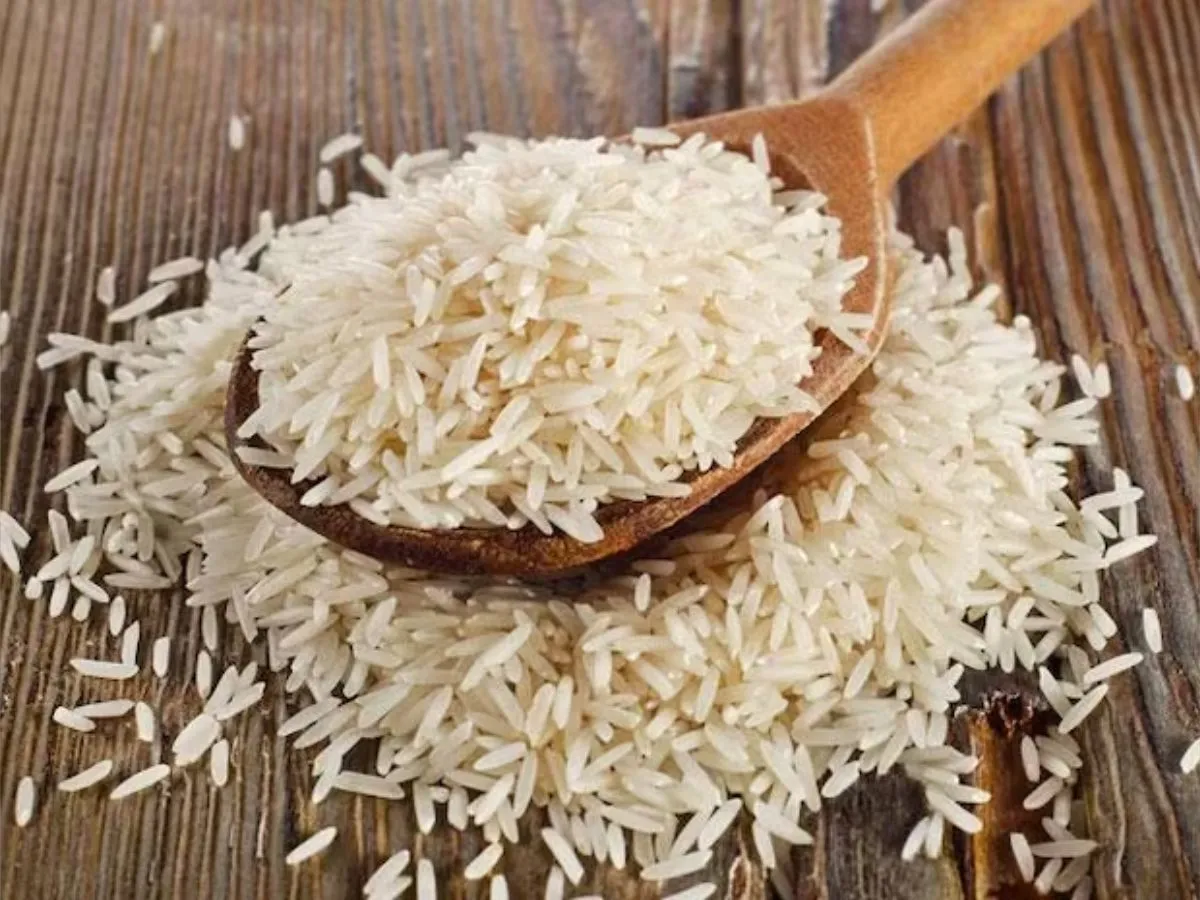
A major basmati market comes under pressure
India’s basmati rice trade with Iran faces a fresh threat as the United States prepares additional measures against Tehran and warns third countries of secondary sanctions. Iran is one of the largest destinations for Indian basmati, taking about 1 million tonnes from India’s total annual exports of roughly 5 million to 6 million tonnes. A disruption would therefore affect a substantial outlet for Indian millers, exporters and farmers.
Business Standard reported that India exported goods worth $1.3 billion to Iran in fiscal 2026, with basmati rice accounting for about 60% of that value. The exposure is concentrated not only in physical shipments but also in the financial channels used to settle them. Exporters fear that tighter enforcement could reduce supplies further even if rice itself is not the primary target of US measures.
Payment channels through the UAE are critical
All India Rice Exporters Association president Satish Goyal told Business Standard that the main problem would emerge if sanctions stopped payments through the United Arab Emirates for rice sold to Iran. Most buyers used by Indian exporters are based in the UAE, he said, although the industry had not yet heard of such payments being halted. Any interruption would increase the risk of unpaid cargoes and could make banks, insurers and shipping companies more reluctant to handle transactions connected with Iran.
The pressure is already visible in trade volumes. According to traders cited by Business Standard, India shipped about 120,847 tonnes of basmati rice to Iran between April and June, around 62% less than in the same period a year earlier. A Haryana exporter said shipments had been affected since April by disruption around the Strait of Hormuz and difficulties delivering cargo to Iran. Traders are considering alternative routes for moving goods and funds, but these may carry higher costs and compliance risks.
Sanctions and shipping risks extend beyond rice
US Treasury Secretary Scott Bessent called for immediate action by countries trading with Iran and warned of secondary sanctions, while indicating that further measures could be announced in the following days and weeks. The US State Department also sanctioned four Indian companies over Iran’s petroleum and petrochemical trade, including Gujarat-based PortEiz Partners LLP and two of its partners. The action raises compliance and financing risks for Indian businesses with Iran exposure, even where their direct involvement is limited.
India-Iran trade has already contracted sharply since India stopped purchasing Iranian crude oil. Business Standard said bilateral trade fell from $17 billion in fiscal 2019 to $1.6 billion in fiscal 2026. Before imports ended in June, India purchased $707 million of Iranian crude in April and May under a temporary US waiver. Global Trade Research Initiative founder Ajay Srivastava said the broader risk for India was the possible expansion of US secondary sanctions related to Russian imports and a prolonged Gulf conflict, rather than the decline in Iran trade alone.
Longer routes could add costs
Shipping conditions add another layer of uncertainty. Icra executive Prashant Vashisht said average vessel traffic through Bab el-Mandeb had fallen from about 77 ships to 22, with some vessels taking the longer route around the Cape of Good Hope. Longer voyages increase transit times and freight costs for India and major importers. Brent crude nevertheless fell 3.2% to about $89 a barrel, its lowest level in a week, while Rystad Energy analyst Jorge León said the impact on Iranian oil revenue would remain limited unless China, its only remaining major buyer, substantially reduced purchases. For basmati suppliers, however, the immediate test is whether cargoes can reach Iran and payments can return through channels that banks will continue to accept.
