US households face reported surge in egg, vegetable and fuel prices
Javan Online reports that US egg prices have risen 300% since the beginning of July, while tomatoes are up 110%, vegetables 100% and diesel 90%. The publication links the increases to higher fuel, transport and fertilizer costs, alongside disruption around the Strait of Hormuz.
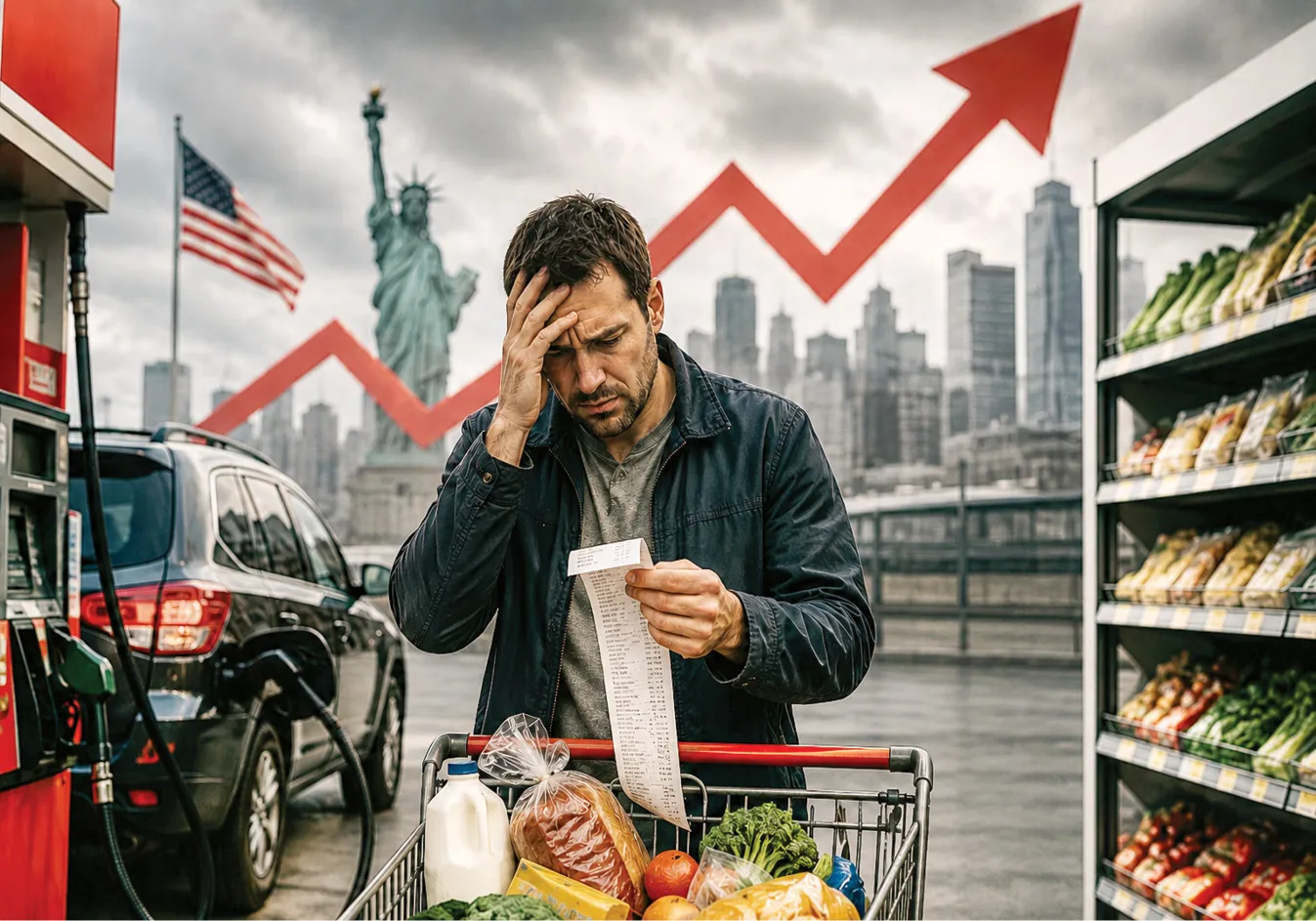
Food and fuel costs rise sharply
US households are facing steep reported increases in food and fuel prices, with the burden falling most heavily on lower-income consumers. Javan Online, citing the US Department of Agriculture, reports that egg prices have increased 300% since the beginning of July. The publication also reports increases of 110% for tomatoes, 100% for vegetables and 90% for diesel.
The figures come from a single Iranian publication and have not been independently verified in the supplied material. Javan Online attributes the price pressure to the economic effects of the 2026 conflict involving the United States and Iran, including disruption to energy supplies, commercial shipping and agricultural input markets. It says gasoline and diesel costs have raised concern among US consumers and increased expenses throughout food and clothing supply chains.
Transport and fertilizer costs reach agriculture
Higher energy prices affect food markets through several channels. More expensive gasoline and diesel raise the cost of moving agricultural inputs, farm products and processed food. Javan Online also reports that higher natural gas prices have increased the cost of producing chemical fertilizer, adding pressure to crop production costs.
According to the publication, fertilizer prices rose 90% after a 40-day period of conflict, while commercial vessel traffic fell to minimal levels and was temporarily blocked. It says the full effects of higher fuel and fertilizer costs have yet to reach retail prices, creating the possibility of additional pressure on household food budgets in the coming months.
The report also cites a World Economic Forum assessment that disruption around the Strait of Hormuz affected nine strategic commodities and extended beyond oil and gas. Some oil can be redirected through pipelines, but the report says many chemical and mineral products lack effective alternative infrastructure. Where other routes exist, transport may involve substantially higher costs and risks.
Food insecurity deepens among low-income families
Javan Online, referring to research by the Federal Reserve Bank of New York and analysis by NPR, reports that about 10% of US households are skipping meals because they cannot afford enough food, compared with 4% in 2020. Nearly 16% of respondents reportedly depend on charitable donations or food assistance.
The impact is described as particularly severe for households earning less than $50,000. Nearly 20% of these families are reported to have experienced hunger or skipped meals, compared with less than 7% in 2020. The report says families with young children, people with lower educational attainment and low-income households face the greatest strain.
Demand for government support has also increased. Nearly 18% of US households are reported to use Supplemental Nutrition Assistance Program benefits, up from 10.6% in 2020. Among low-income households, the share is said to exceed 38%, compared with 22% six years earlier.
Gasoline prices squeeze food budgets
The publication reports that average gasoline prices increased from $2.92 per gallon in early February to $3.70 in March and $4.50 in May 2026. It says some households have reduced food spending to cover the cost of commuting to work.
Food banks in Georgia and Alabama are also seeing heavier demand, according to managers cited in the report. In some areas, vehicles have formed lines of 2 to 3 miles, with people arriving the previous night to receive food. For producers, processors and distributors, the central risk is that fuel, freight and fertilizer costs continue moving through the supply chain, while consumers have less capacity to absorb further retail increases.