US Blocks Palm Oil from Two Indonesian Producers over Forced-Labor Concerns
US Customs and Border Protection has ordered the detention of palm oil and derivatives produced by Mitra Aneka Rezeki and Hardaya Inti Plantation. The action raises compliance and traceability risks for importers, although Mitra Aneka Rezeki denies using forced labor and says it does not supply the US market.
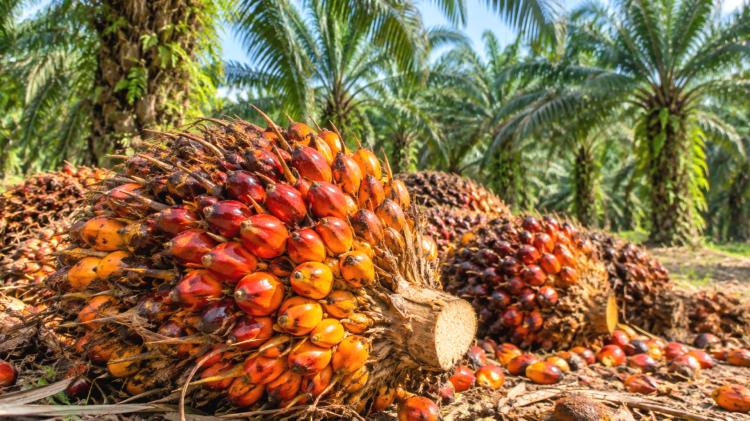
Detention orders take immediate effect
US Customs and Border Protection has issued two Withhold Release Orders covering palm oil and derivative products made in Indonesia by Mitra Aneka Rezeki, or MAR, and Hardaya Inti Plantation, or HIP. According to SabangMerauke News and BertuahPos, the orders took effect on September 29, 2026, requiring CBP officers at all US ports of entry to detain shipments within their scope.
The action was taken under 19 U.S.C. 1307, which prohibits the entry of goods produced wholly or partly with forced labor. CBP said its trade data indicated that products covered by the orders were being imported or were likely to be imported into the United States. Detention does not automatically result in the destruction of a shipment: an importer can seek to re-export or destroy the goods, or submit evidence showing that they were not made with forced labor.
CBP identifies multiple labor indicators
CBP based the orders on a review of interview transcripts, wage slips, harvesting-quota information, photographs, open-source reports from nongovernmental and government organizations, media coverage and academic research. SabangMerauke News reported that the agency identified nine International Labour Organization forced-labor indicators at MAR: withholding of wages, debt bondage, deception, retention of identity documents, isolation, excessive overtime, intimidation and threats, abusive working and living conditions, and abuse of workers’ vulnerability.
At HIP, CBP cited seven indicators: debt bondage, withholding of wages, deception, excessive overtime, abusive working and living conditions, intimidation and threats, and abuse of vulnerability. BertuahPos described these as seven of the ILO’s eleven indicators, compared with nine of eleven at MAR. CBP said the underlying facts provided reasonable grounds to suspect involuntary work performed under threat of penalty. Susan S. Thomas, executive assistant commissioner at CBP’s Office of Trade, said worker exploitation was inhumane and damaging to US economic and national security, while also creating risks for American businesses and consumers.
MAR disputes the allegations
MAR said in a written statement cited by SabangMerauke News that it did not directly export crude palm oil, palm kernel products or derivatives to the United States. The company also said an internal review found no sales to buyers or companies known to supply the US market. It stated that it had not received detailed information about the concrete evidence, specific incidents or investigative findings behind CBP’s allegations and requested transparency and an opportunity to respond with verifiable evidence.
MAR said its operations followed Indonesian employment rules covering wage structures, minimum pay, working hours, overtime, employment contracts and participation in the country’s health and employment social-security programs. Its internal review found no forced-labor practices, the company said. No response from HIP was included in the supplied reports. The two new orders bring the measures enforced by CBP under 19 U.S.C. 1307 to 60 Withhold Release Orders and eight findings, according to SabangMerauke News. For importers and processors, the immediate issue is establishing plantation and mill provenance across derivative supply chains, where material from multiple suppliers may otherwise be combined before reaching the US border.