US beef industry seeks more halal-certified plants to expand Indonesia exports
US meat exporters want more slaughterhouses and processing plants approved under Indonesia’s halal rules, arguing that limited capacity raises export costs. The industry is also seeking simpler import licensing as stronger US-Indonesia trade ties create an opportunity for additional beef sales.
Limited halal capacity raises export costs
The US beef industry is pressing for more American slaughterhouses and processing plants to obtain halal certification recognized by Indonesia, aiming to remove a constraint on shipments to the Muslim-majority market. The U.S. Meat Export Federation, or USMEF, says only a limited number of facilities currently satisfy Indonesia’s requirements, making exports more expensive.
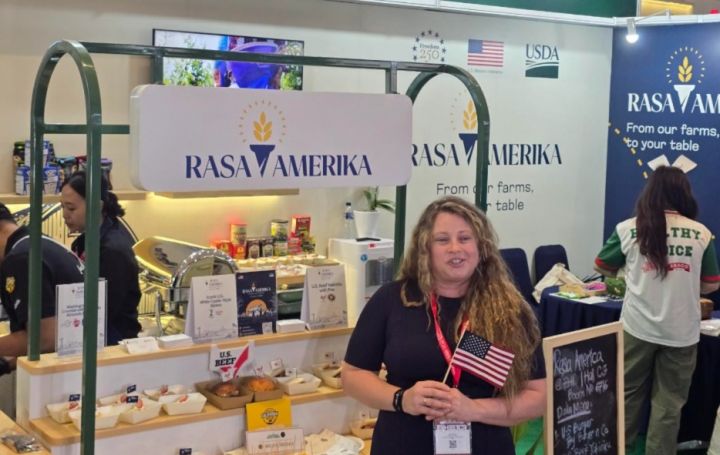
Sabrina Yin, USMEF’s ASEAN regional director, raised the issue during the Food and Hospitality Indonesia 2026 exhibition in Jakarta on Tuesday, 21 July 2026. According to Metro TV News, Yin said the small number of approved facilities sometimes increases the cost of exporting beef to Indonesia. USMEF wants more plants to qualify, but they must continue to meet the requirements of Indonesia’s Halal Product Assurance Organizing Agency, known as BPJPH, and the Indonesian Ulema Council, or MUI.
Five US certifiers have recognition agreements
Arrofi Satrio Alam, USMEF’s country representative for Indonesia and Timor-Leste, said five halal certification bodies in the United States have Mutual Recognition Agreements with BPJPH. For beef products, most certification is handled through Halal Transactions of Omaha, which BPJPH recognizes.
Approval of additional slaughter and processing capacity could give exporters more flexibility in selecting suppliers and organizing consignments. It could also reduce the cost pressure associated with relying on a small group of eligible facilities. The available source material does not specify current US beef shipment volumes, values or the number of approved plants, so the potential increase in trade cannot yet be quantified.
USDA checks remain part of every shipment
Halal recognition is only one part of the market-access process. Yin said every meat product exported to Indonesia must first pass a food-safety inspection by the US Department of Agriculture. Each shipment requires a US government export certificate, and USDA officials verify compliance with all Indonesian requirements before signing it. Products that have not been inspected by USDA cannot be exported to Indonesia.
The industry says it also applies animal-welfare and sustainability principles during production. Separately, Bisnis Indonesia reported that American meat exporters are focusing on regulation as US-Indonesia trade relations strengthen and are asking for simpler import licensing. Together, expanded halal-certified processing capacity and a less burdensome licensing process could improve access for US suppliers, while Indonesian authorities retain control through halal, food-safety and shipment-certification requirements.