US beef exports to Indonesia reach 4,736 metric tons through May 2026
US beef exports to Indonesia totaled 4,736 metric tons through May 2026, according to the US Meat Export Federation. The industry group says import licensing delays, limited private-sector allocations and plant-by-plant approvals are more significant obstacles than tariffs.
US beef shipments reach 4,736 metric tons
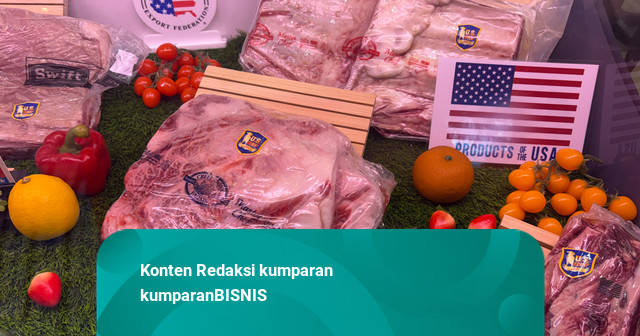
US beef exports to Indonesia reached 4,736 metric tons through May 2026, according to figures presented by the US Meat Export Federation, or USMEF. The organization regards Indonesia as a strategic Southeast Asian market, although US beef still accounts for a relatively limited share of the country’s supply.
USMEF Country Representative Arrofi Alam disclosed the volume during the Food and Hospitality Indonesia 2026 event at JIEXPO in Jakarta on July 21, as reported by Kumparan. US pork exports to Indonesia were around 1,500 metric tons over the same period, but pork is not the organization’s primary focus in the market.
USMEF Regional Director for ASEAN Sabrina Yin said US beef serves a distinct customer base, particularly premium hotels, restaurants and restaurant chains that require specific cuts. She differentiated US grain-fed and corn-fed beef from grass-fed Brazilian products and Indian buffalo meat, saying each serves a different segment.
Premium demand offers room for growth
US beef has been available in Indonesia since the 1990s through established importers supplying premium meat. USMEF says demand in this segment continues to grow, despite the product’s comparatively small overall market share.
The positioning matters for exporters and Indonesian buyers because US beef does not compete solely on price or aggregate volume. Its commercial prospects depend heavily on reliable access for particular cuts and grades used by higher-end food-service operators. Hotels, restaurants and import distributors therefore need predictable delivery schedules to manage menus, inventory and cold-chain capacity.
Indonesia’s market also includes supplies from Brazil and Australia, as well as Indian buffalo meat. US products must compete for access within a private-import allocation of about 30,000 metric tons covering all countries of origin, according to USMEF.
Import permits disrupt shipping schedules
USMEF identified non-tariff regulation, rather than import duties, as the principal obstacle to expanding shipments. The group cited restricted import allocations for private companies and delays in issuing permits, which make it difficult for businesses to schedule cargoes from the United States.
Arrofi said permits that should have been issued in January were released only at the end of February. That delay is particularly costly for US suppliers because ocean transportation requires at least three months. A late authorization can therefore shift arrival dates substantially, complicating procurement for importers and reducing exporters’ ability to serve planned demand.
The constraints affect more than the headline annual allocation. Importers must decide how to distribute limited volumes among suppliers, while exporters face uncertainty over when approved cargoes can enter the country. For premium food-service customers, interruptions can also encourage substitution by products that are already available locally or can be sourced under more predictable arrangements.
USMEF seeks system-based approvals
Another barrier is Indonesia’s approval process for individual production facilities. USMEF said plant-by-plant authorization, including document reviews and on-site audits, can take three to five years. This limits the number of US facilities eligible to supply Indonesia even when they already operate under US regulatory oversight.
USMEF wants trade discussions between Indonesia and the United States to produce a system-by-system approval mechanism. Under its proposal, facilities meeting United States Department of Agriculture standards and halal certification requirements would not need to undergo repeated authorization procedures.
Any simplification could broaden the pool of eligible suppliers and improve delivery planning, but USMEF’s data show that near-term performance still depends on permit timing and access to the private-import allocation. For US processors, Indonesian importers and premium food-service buyers, regulatory predictability remains the key condition for turning growing demand into larger and steadier shipments.